
Commissioning a Memorial Statue: Creating a Lasting Tribute
Commissioning a memorial statue begins with understanding the life, service, sacrifice, or story the sculpture must preserve. Therefore, thoughtful planning, portrait likeness, symbolism, location, materials, and long-term stewardship help transform that story into a lasting place of remembrance.
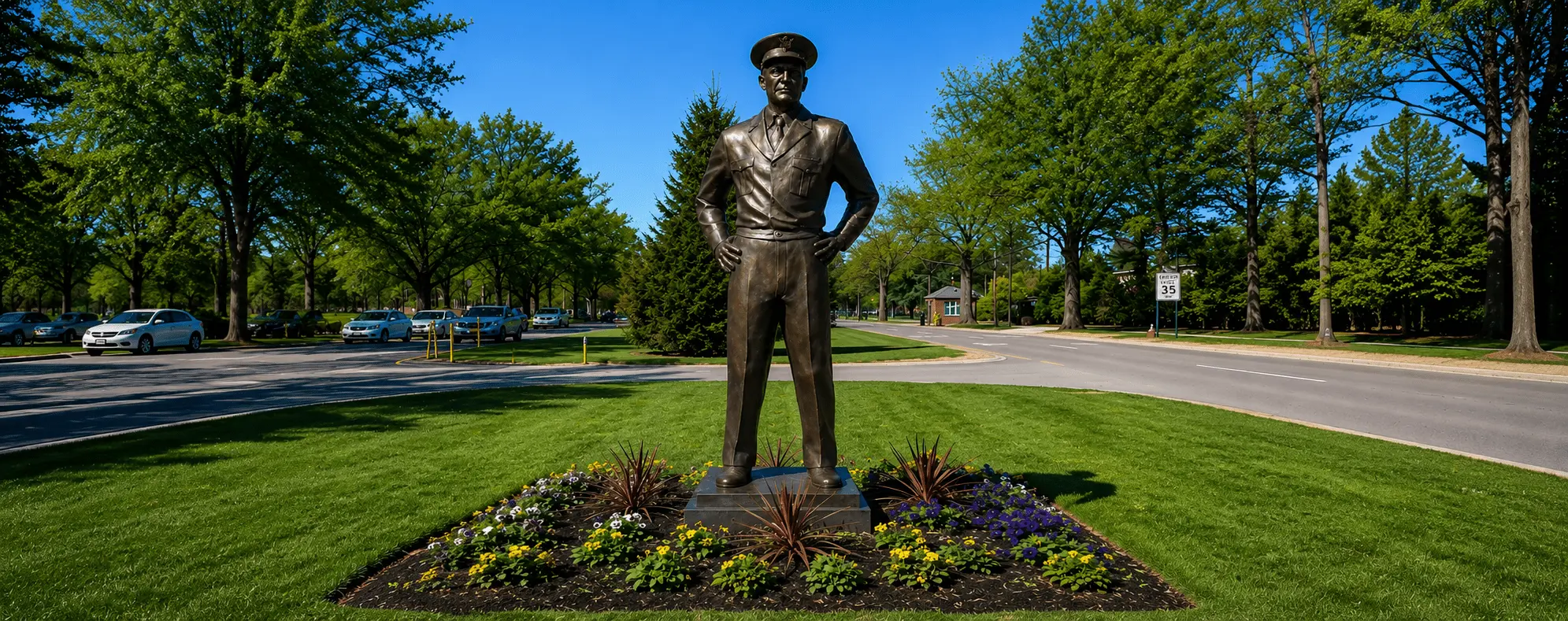
Why Commissioning a Memorial Statue Is Different
In fact, few sculpture projects carry the emotional significance of a memorial statue.
Unlike many commissioned artworks, memorial sculptures are created to preserve a person’s memory, honor a life of service, commemorate an important event, or keep an essential story alive for future generations.
Instead, they are created to preserve a legacy rather than simply decorate a space. For this reason, commissioning a memorial statue requires both artistic sensitivity and careful long-term planning.
Created for Remembrance
Overall, after observing memorial statue projects involving families, veterans organizations, churches, schools, municipalities, foundations, and community groups over many years, one lesson becomes increasingly clear.
In fact, memorial statues are rarely about sculpture alone.
Above all, they are about remembrance.
As a result, the sculpture becomes the physical expression of a life, sacrifice, achievement, or story that deserves to endure.
The Best Memorials Keep Memories Alive
Ultimately, a memorial statue succeeds not because it is impressive in size, but because it creates a lasting emotional connection between future generations and the story it was built to preserve.
What Is a Memorial Statue?
In general, a memorial statue is a sculpture created to honor and remember a person, group, event, or historical contribution.
- Family memorials
- Veterans memorials
- Fallen first responders
- Historical figures
- Community leaders
- Religious leaders
- Educational founders
- Public servants
For example, some memorials remain private while others become lasting public landmarks.
Preserving Memory
However, regardless of size, style, or location, every memorial statue shares one common objective:
Specifically, that objective is to preserve memory for future generations.
Therefore, this simple purpose guides every important decision throughout the project.
Why Memorial Statues Are Different
Typically, most sculptures are created to be seen.
By contrast, memorial sculptures are created to be remembered.
- Does the sculpture capture the individual's character?
- Does it communicate the right message?
- Will future generations understand its significance?
- Does it honor the subject appropriately?
Emotion Shapes Every Decision
In addition, unlike many sculpture commissions, memorial projects often involve deep emotional connections.
Consequently, families, organizations, and communities frequently view the sculpture as a permanent representation of someone whose life mattered.
Defining Purpose When Commissioning a Memorial Statue
First, one of the earliest conversations should answer a simple question:
Specifically, why is this memorial being created?
- Celebrate a life
- Honor military service
- Recognize community leadership
- Preserve local history
- Create a place of reflection
- Commemorate an important event
Purpose Guides the Project
As a result, once the memorial's purpose is clearly defined, decisions regarding symbolism, location, materials, scale, inscriptions, and design become significantly easier. Therefore, commissioning a memorial statue should always begin with a clearly documented purpose.
Ultimately, purpose becomes the foundation upon which the memorial is built.
Who Is Being Remembered?
In particular, the subject of the memorial naturally influences every artistic decision.
- Family members
- Veterans
- Community leaders
- Educators
- Religious leaders
- Historical figures
Therefore, different stories often require different artistic approaches.
Every Life Has a Different Story
For example, a family memorial emphasizes personal remembrance.
Meanwhile, a veterans memorial highlights service and sacrifice.
By comparison, a civic memorial may celebrate leadership, while a religious memorial often reflects faith and spiritual influence.
Creating an Accurate Memorial Statue Likeness
Naturally, people who knew the individual often have strong emotional expectations regarding appearance.
- Facial accuracy
- Expression
- Posture
- Recognition
Reference Materials for Memorial Statue Commissioning
For this reason, successful memorial sculptures often begin with excellent reference materials. In addition, historical image collections, such as the Library of Congress Prints & Photographs Online Catalog, can support research when family archives are limited.
- Photographs
- Family archives
- Historical records
- Videos
- Personal objects
Capturing Character
However, the goal extends beyond physical accuracy.
Instead, the strongest memorial sculptures also communicate personality, leadership, values, service, faith, and lasting character.
Symbolism in Memorial Sculpture
Similarly, symbolic elements frequently help visitors understand who the individual was and why they are remembered.
- Military insignia
- Religious symbols
- Professional tools
- Books
- Uniforms
- Personal items
Symbols Tell the Story
As a result, well-chosen symbolic details transform a sculpture from a simple portrait into a lasting educational and emotional experience.
In fact, visitors often understand the person's story before reading a single word on the plaque.
Choosing a Location When Commissioning a Memorial Statue
In practice, when commissioning a memorial statue, location plays an important role in how the finished tribute is experienced.
Consequently, the setting often becomes part of the story itself.
- Cemeteries
- Parks
- Schools
- Churches
- University campuses
- Government buildings
- Community gathering spaces
Therefore, the location should encourage reflection while supporting the purpose of the memorial.
The Right Setting Matters
However, a beautifully sculpted memorial can lose much of its impact if placed in an unsuitable environment.
By contrast, the strongest memorials feel naturally connected to their surroundings and invite visitors to pause, remember, and reflect.
Public vs Private Memorials
In fact, not every memorial serves the same audience.
Private Memorials
- Family remembrance
- Private gardens
- Personal reflection
- Intimate settings
Public Memorials
For example, public memorials often become community landmarks.
- Parks
- Town squares
- Veterans memorials
- Universities
- Civic buildings
Therefore, the intended audience frequently influences scale, symbolism, and overall design.
Memorial Statue Scale Considerations
Next, one of the most common questions is:
Specifically, how large should the memorial be?
- Purpose
- Location
- Audience
- Visibility
Memorial Statue Material Selection
Similarly, material selection reflects both practical and symbolic goals.
- Bronze
- Bonded Marble
- Natural Stone
- Fiberglass
Built to Endure
Ultimately, the most appropriate material balances appearance, durability, maintenance expectations, environmental exposure, and the long-term goals of the memorial.
Veterans Memorial Statue Considerations
In particular, veterans memorials often carry additional responsibilities because they preserve both personal sacrifice and national history. For example, the Library of Congress Veterans History Project is an official archive that preserves first-person military histories for future generations.
- Military accuracy
- Historical research
- Service recognition
- Public education
- Community involvement
As a result, these projects frequently become gathering places for remembrance ceremonies throughout the year.
Family Memorial Statue Considerations
By comparison, family memorials emphasize personal remembrance and emotional connection.
For example, projects often involve:
- Family consultation
- Shared memories
- Photographs
- Personal symbolism
- Meaningful inscriptions
Educational Memorials
In addition, many memorials serve an educational purpose.
Therefore, visitors may know little about the individual or event being commemorated without supporting context.
- Plaques
- Historical timelines
- Interpretive displays
- Educational text
- Historical photographs
Long-Term Memorial Statue Stewardship
Finally, every memorial should include a plan for future care. In addition, commissioning a memorial statue should include identifying who will be responsible for inspection, cleaning, conservation, and future restoration.
- Cleaning
- Inspection
- Conservation
- Landscape maintenance
- Future restoration
As a result, stewardship preserves both the sculpture and the story it represents.
Common Memorial Statue Mistakes
- Focusing only on physical likeness
- Rushing the design process
- Overlooking site selection
- Ignoring future maintenance
- Underestimating symbolism
A Common Observation
In fact, the most meaningful memorials are rarely the largest or most expensive.
Instead, the most meaningful memorials are the ones that help people remember.
Ultimately, they create emotional connections, preserve stories, and allow future generations to understand lives that mattered.
Memorials Preserve Stories That Time Cannot
Similarly, the greatest memorial statues do more than represent people.
As a result, they preserve character, inspire reflection, strengthen communities, and ensure important stories continue to be shared long after those who lived them are gone.
Key Factors When Commissioning a Memorial Statue
| Planning Area | Why It Matters |
|---|---|
|
Purpose
|
Defines the life, service, sacrifice, or story the memorial is intended to preserve. |
|
Likeness
|
Creates immediate recognition while helping families and visitors feel a personal connection to the subject. |
|
Symbolism
|
Communicates values, accomplishments, service, faith, profession, and personal identity. |
|
Location
|
Shapes visibility, visitor experience, reflection, accessibility, and the memorial’s relationship to its surroundings. |
|
Material Selection
|
Supports long-term durability, visual character, environmental performance, and maintenance requirements. |
|
Educational Elements
|
Helps future generations understand the person, event, history, and significance represented by the memorial. |
|
Stewardship
|
Protects the memorial’s appearance, structural condition, emotional meaning, and legacy for decades to come. |
From the Statues.com Team
Through decades of experience creating memorial sculpture, our team has learned that families rarely remember every technical detail of a memorial project. Ultimately, commissioning a memorial statue is successful when the finished sculpture faithfully preserves both likeness and character.
Instead, families remember how faithfully the sculpture captured the spirit of the person they loved. Consequently, the strongest memorials become places where memories remain alive and future generations continue discovering stories that deserve to be remembered.
Successful Memorial Statues Provide
- Lasting remembrance
- Emotional connection
- Historical preservation
- Educational value
- Community identity
- Generational legacy
Frequently Asked Questions About Commissioning a Memorial Statue
What is a memorial statue?
In general, a memorial statue is a sculpture created to honor and preserve the memory of a person, group, event, or historical contribution.
What makes memorial statues different?
Above all, memorial statues focus on remembrance, legacy, symbolism, storytelling, and emotional connection rather than appearance alone.
Who commissions memorial statues?
For example, families, veterans organizations, churches, schools, municipalities, foundations, and community groups commonly commission memorial sculpture.
Why are photographs important?
In addition, photographs, videos, archives, and personal memorabilia help capture both likeness and personality.
Why is symbolism important?
Similarly, symbols communicate accomplishments, beliefs, professions, military service, faith, and personal identity.
What materials are commonly used?
For instance, bronze, bonded marble, natural stone, and fiberglass are among the most common memorial materials.
Where are memorial statues installed?
Likewise, common locations include parks, cemeteries, churches, schools, universities, government buildings, and community gathering spaces.
Are memorials only for famous people?
No. In fact, many memorials honor family members, educators, clergy, veterans, first responders, and community leaders.
What is the biggest planning mistake?
The biggest mistake is focusing only on physical likeness instead of the deeper story, symbolism, and purpose the memorial is meant to preserve.
What is the most important principle?
Ultimately, meaning is the most important principle. Therefore, every successful memorial begins with a clear understanding of the life, service, or story it exists to preserve.