
The Complete
Public Monument Planning Guide
Everything you need to know about planning, funding, designing, approving, manufacturing, and installing a public monument.
1. What Is a Public Monument?
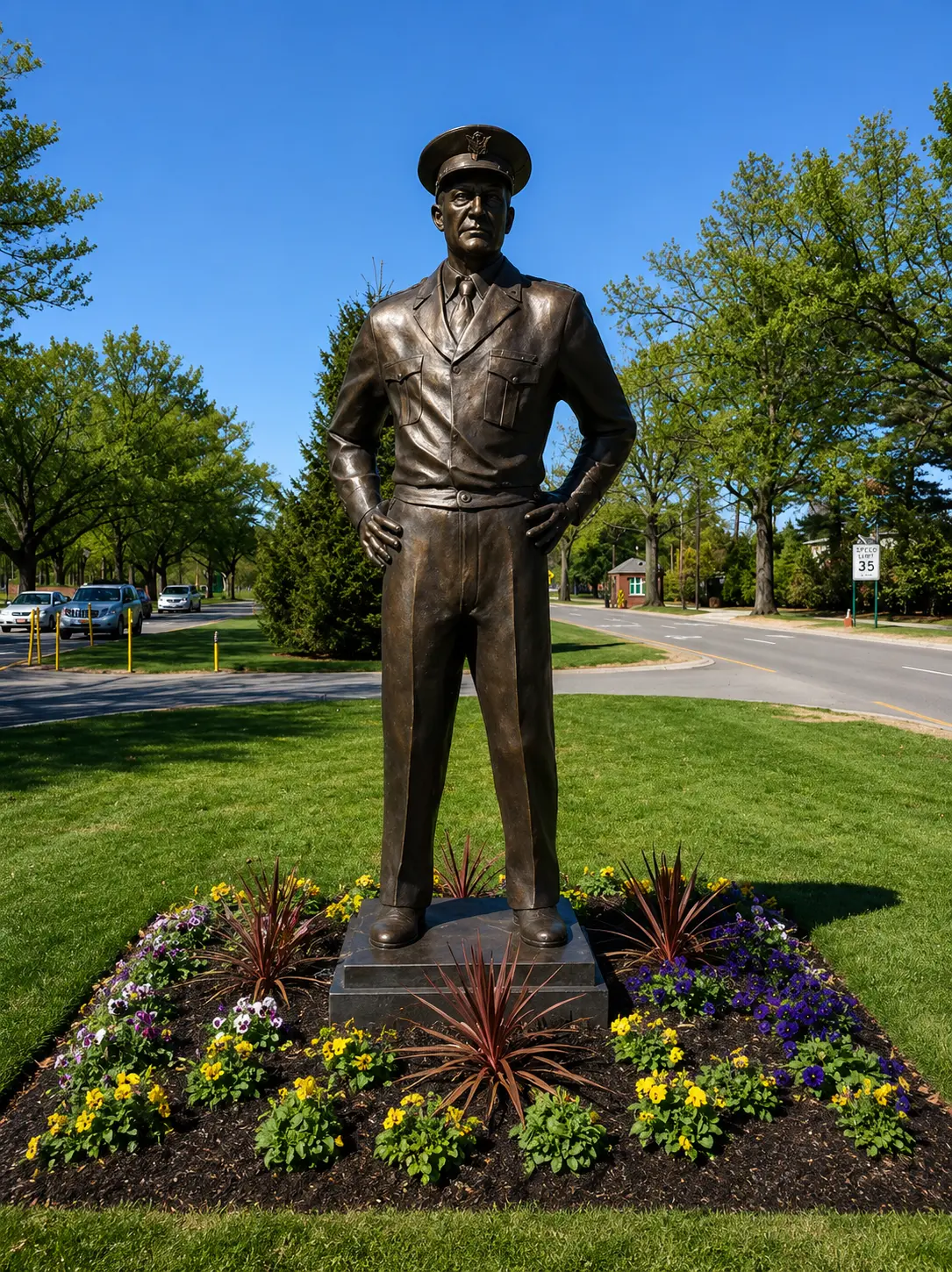
A public monument is a sculpture, memorial, statue, relief, or commemorative work created for a public setting. In many cases, these projects honor people, history, service, sacrifice, faith, civic identity, or important community events.
Unlike private sculpture projects, public monuments usually involve committees, donors, public agencies, city officials, site planners, engineers, and long-term maintenance responsibilities.
2. Types of Public Monuments
Honor military service and public remembrance.
Recognize leaders, founders, and civic contributors.
Celebrate local identity and community values.
Commemorate founders, donors, and institutional legacy.
Create lasting acknowledgment for supporters.
Support churches, shrines, schools, and devotional spaces.
3. Monument Project Types
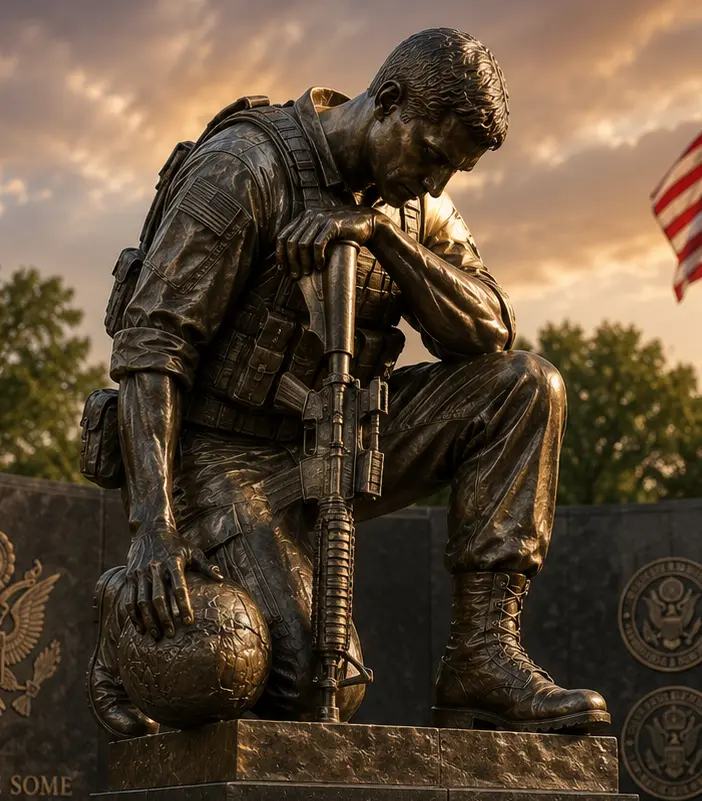 Veterans
Memorials
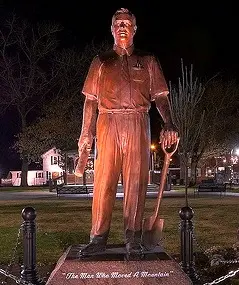 Historical
Figures
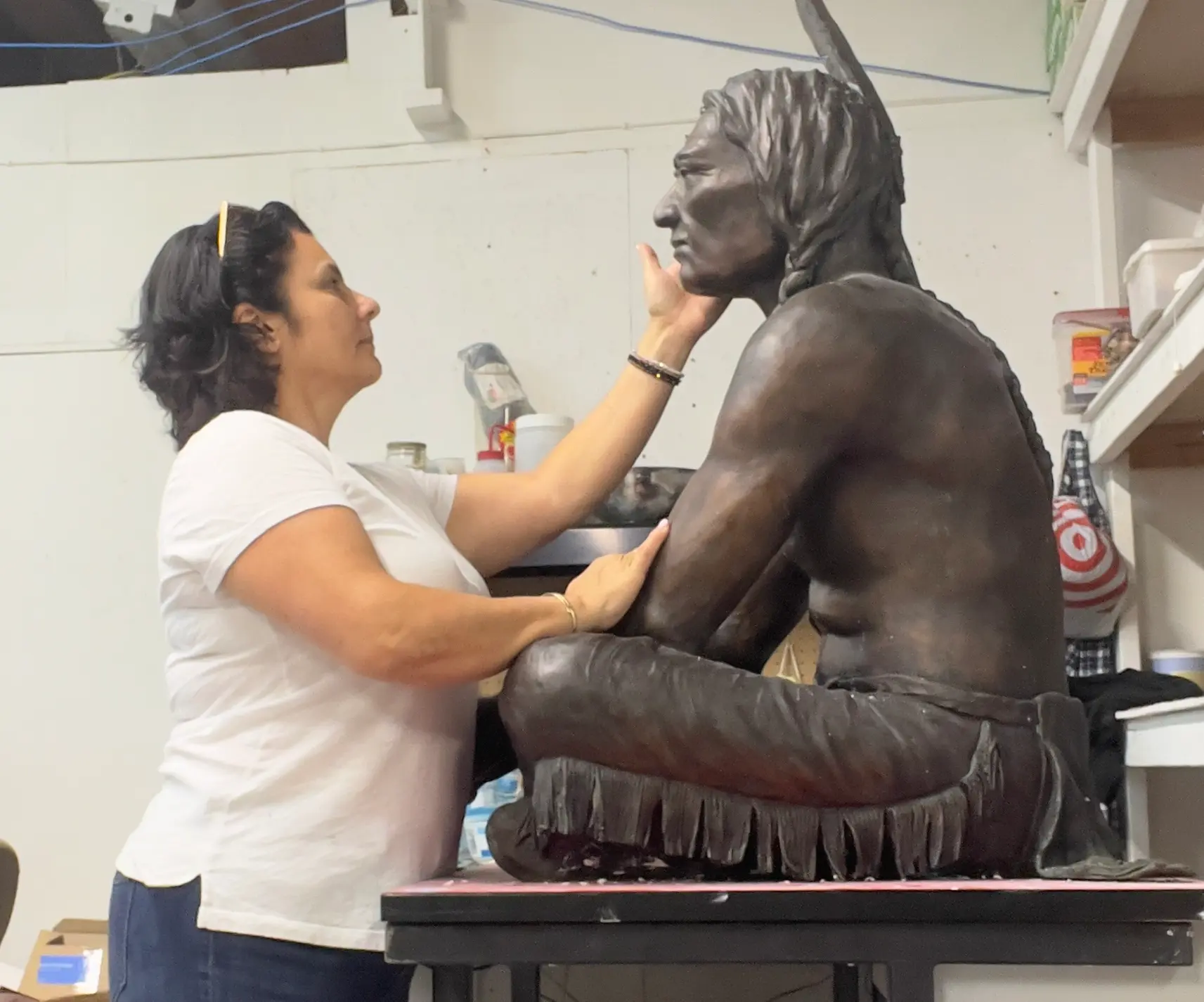 Civic
CivicMonuments
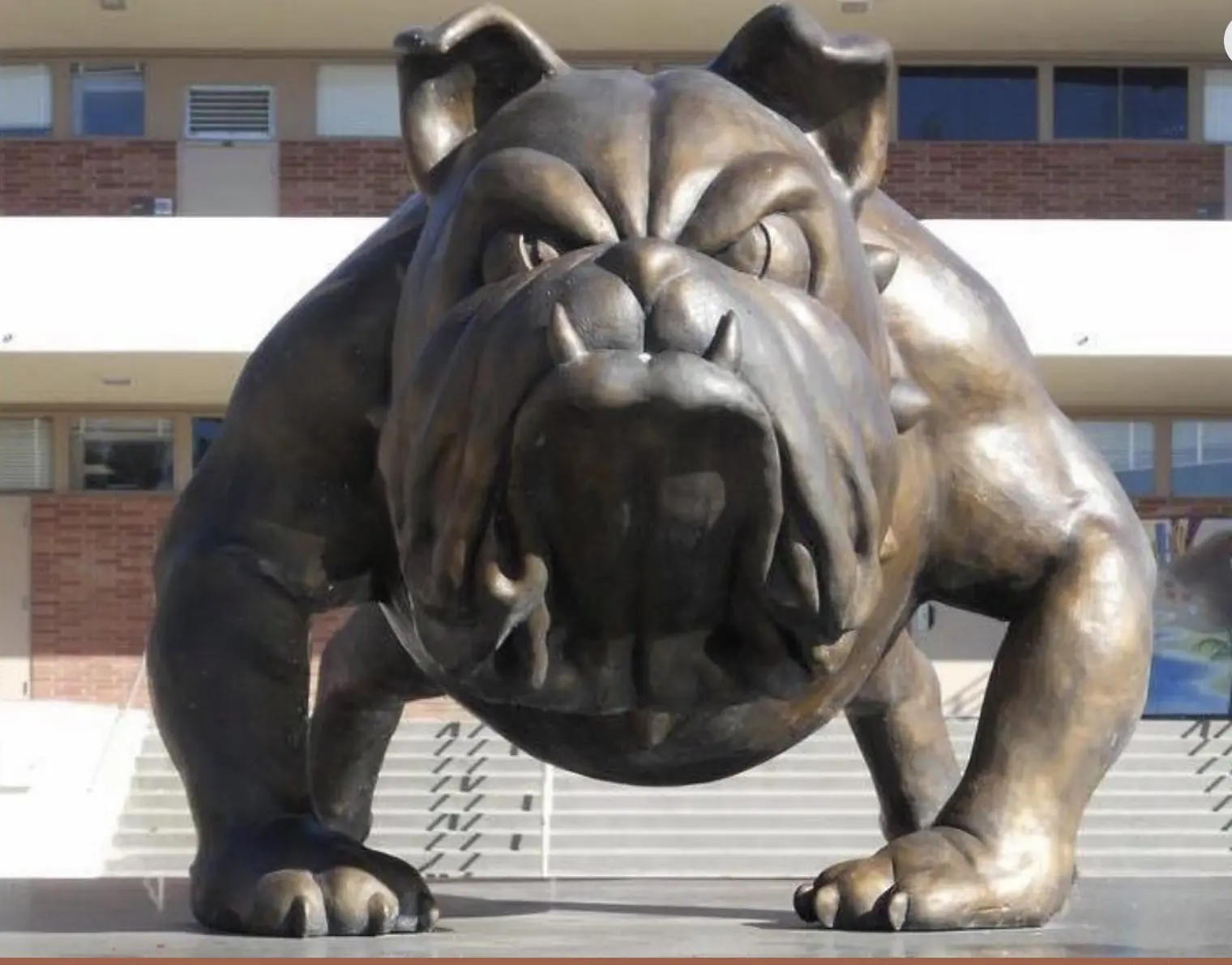 University
Statues
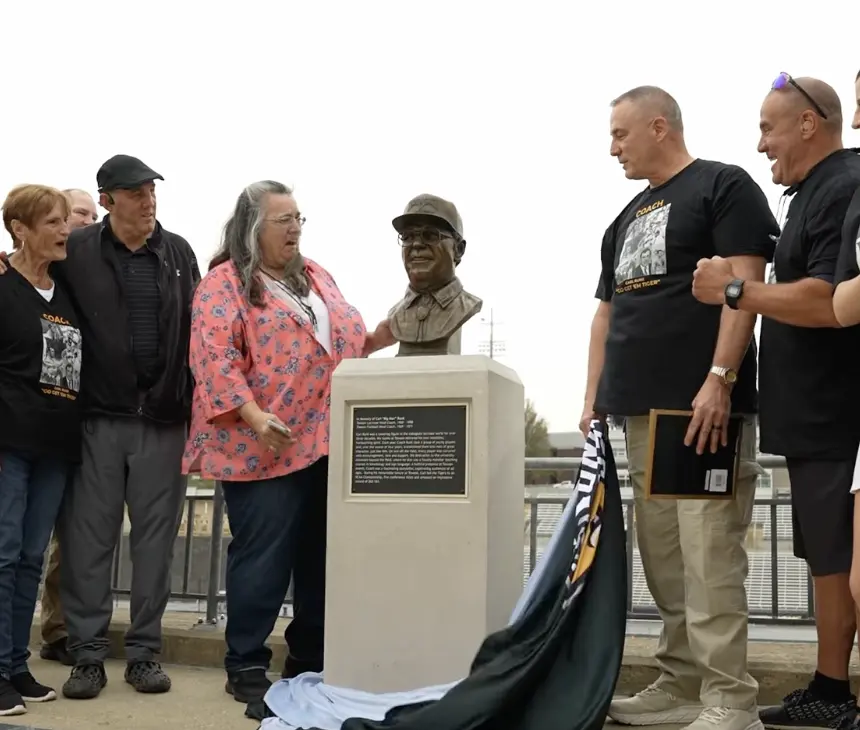 Donor
DonorRecognition
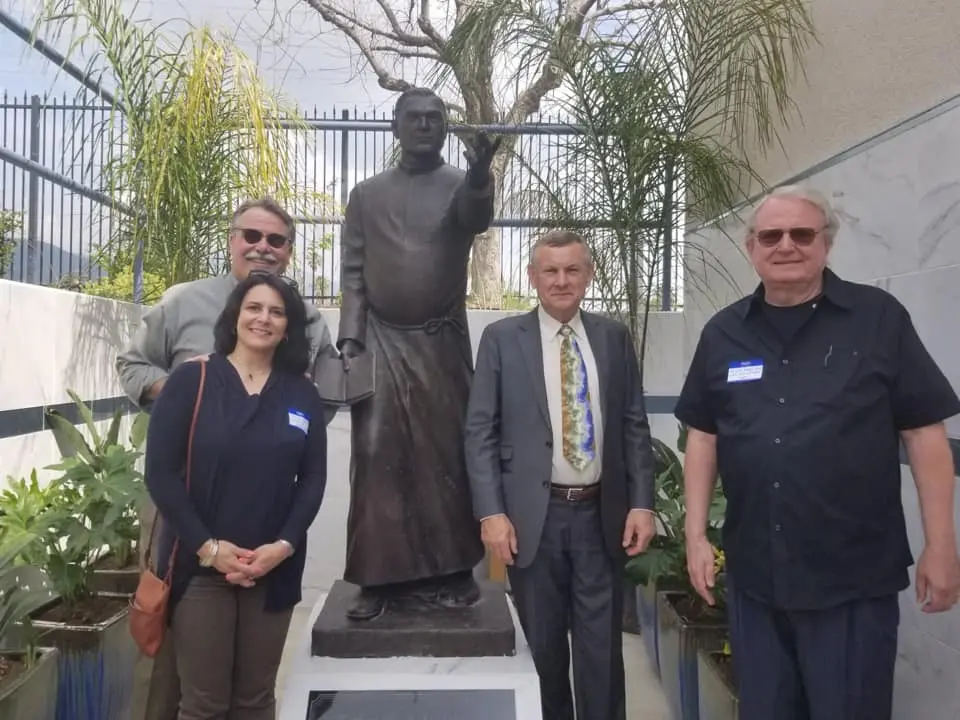 Religious
Monuments
4. Monument Planning Process
5. Funding a Monument Project
Successful monument fundraising begins with a compelling story, a realistic financial plan, and a leadership group that can clearly communicate why the project matters to the community.
Individual gifts from supporters and community members.
Support from businesses, institutions, and local partners.
Grants from cultural, civic, historical, or charitable groups.
Public fundraising efforts built around the project story.
Financial or in-kind support from business partners.
Contributions made in memory or honor of an individual.
Named plaques, inscriptions, and permanent acknowledgments.
Confirm artwork, fabrication, shipping, site, and installation costs.
6. Site Selection
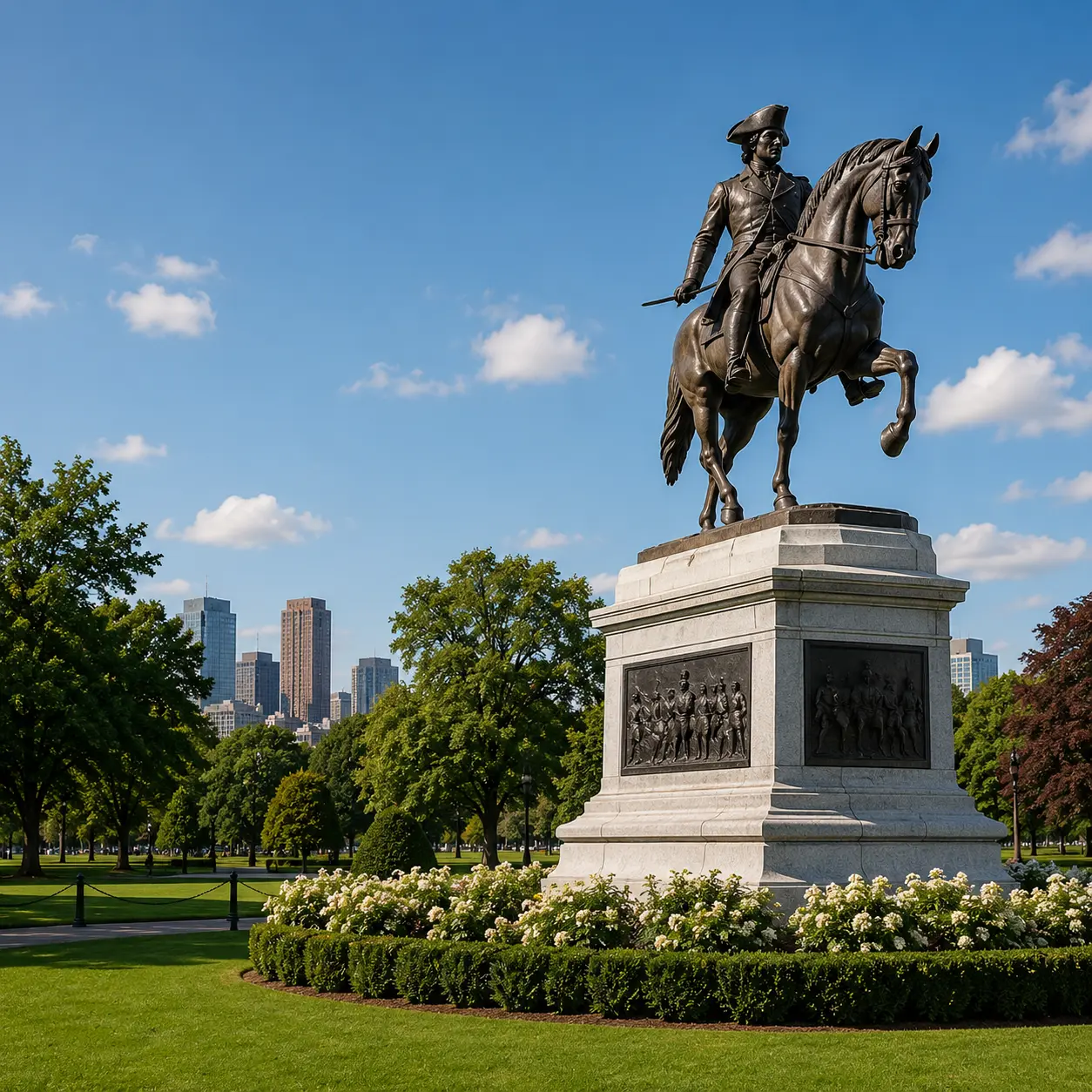
Will the public clearly see the monument?
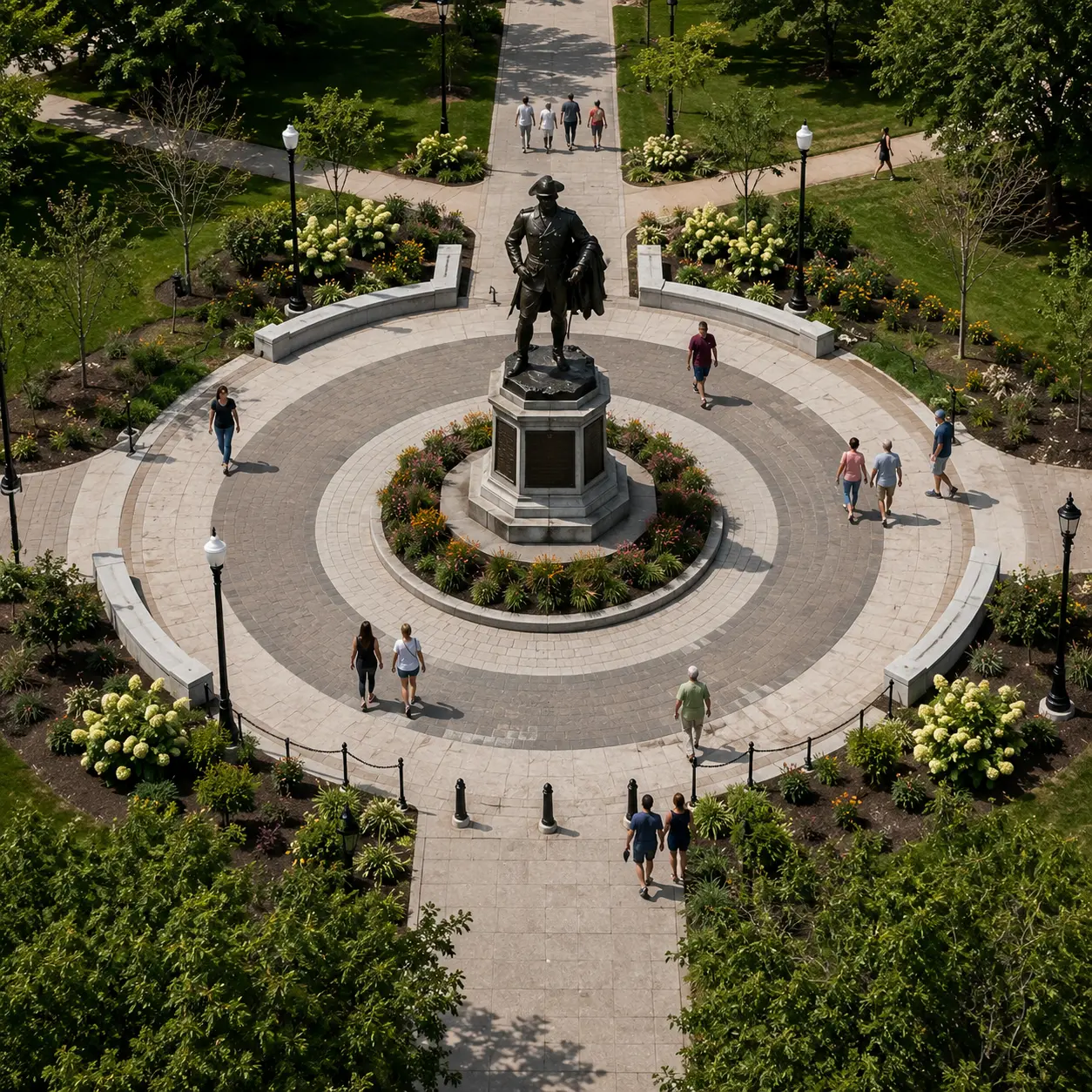
How will people approach and move around it?
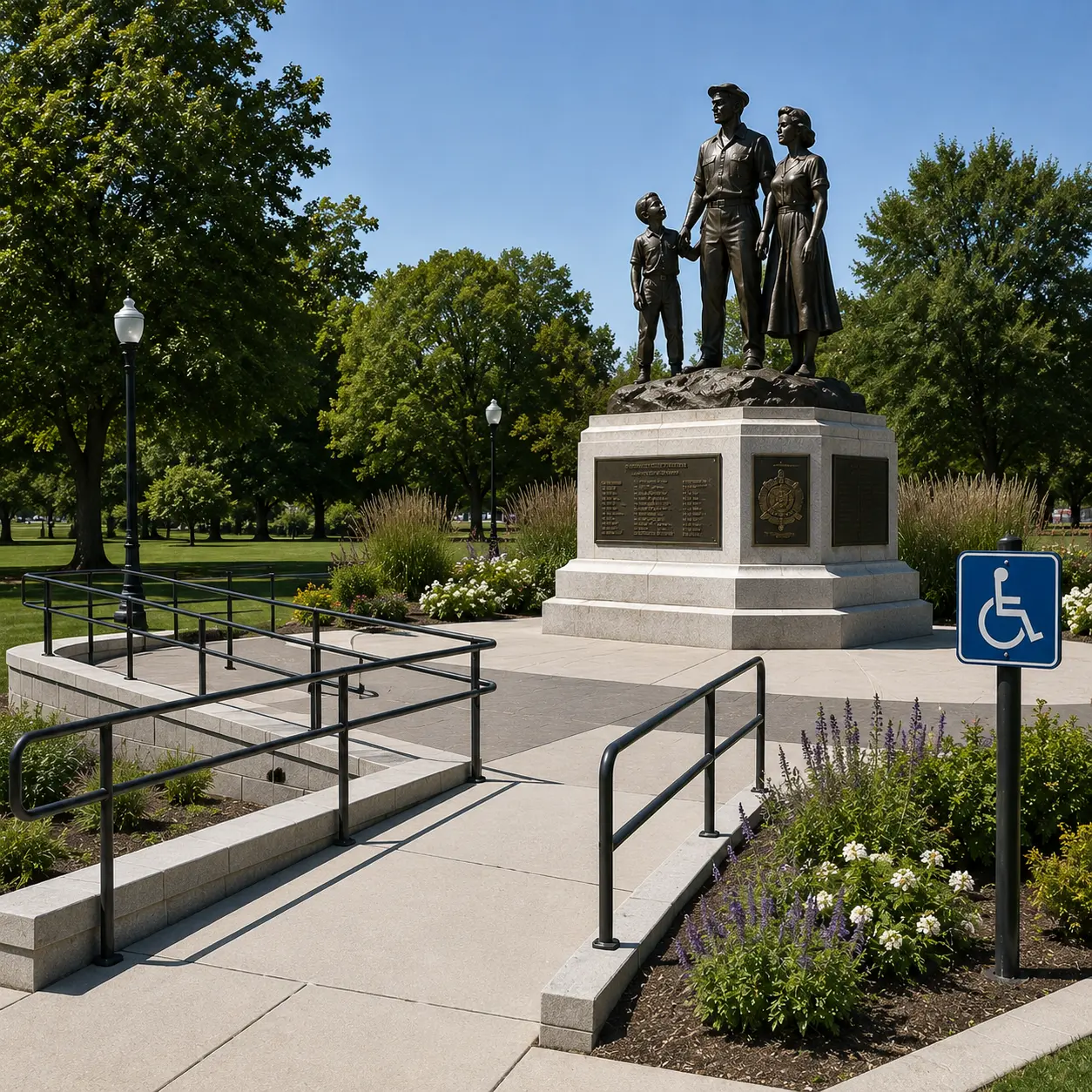
Can all visitors safely access the location?
8. Choosing Materials
The best material depends on permanence, location, scale, budget, detail, and expected maintenance.
The benchmark for permanent outdoor monuments, portrait statues, reliefs, and commemorative sculpture.
A refined mineral-composite material suited to classical, religious, memorial, and interior sculpture.
A lightweight, versatile option for very large forms, elevated installations, replicas, and budget-sensitive projects.
7. Permits & Approvals
Public monuments often require coordinated review before fabrication, site preparation, delivery, and installation can begin.
9. Installation Considerations
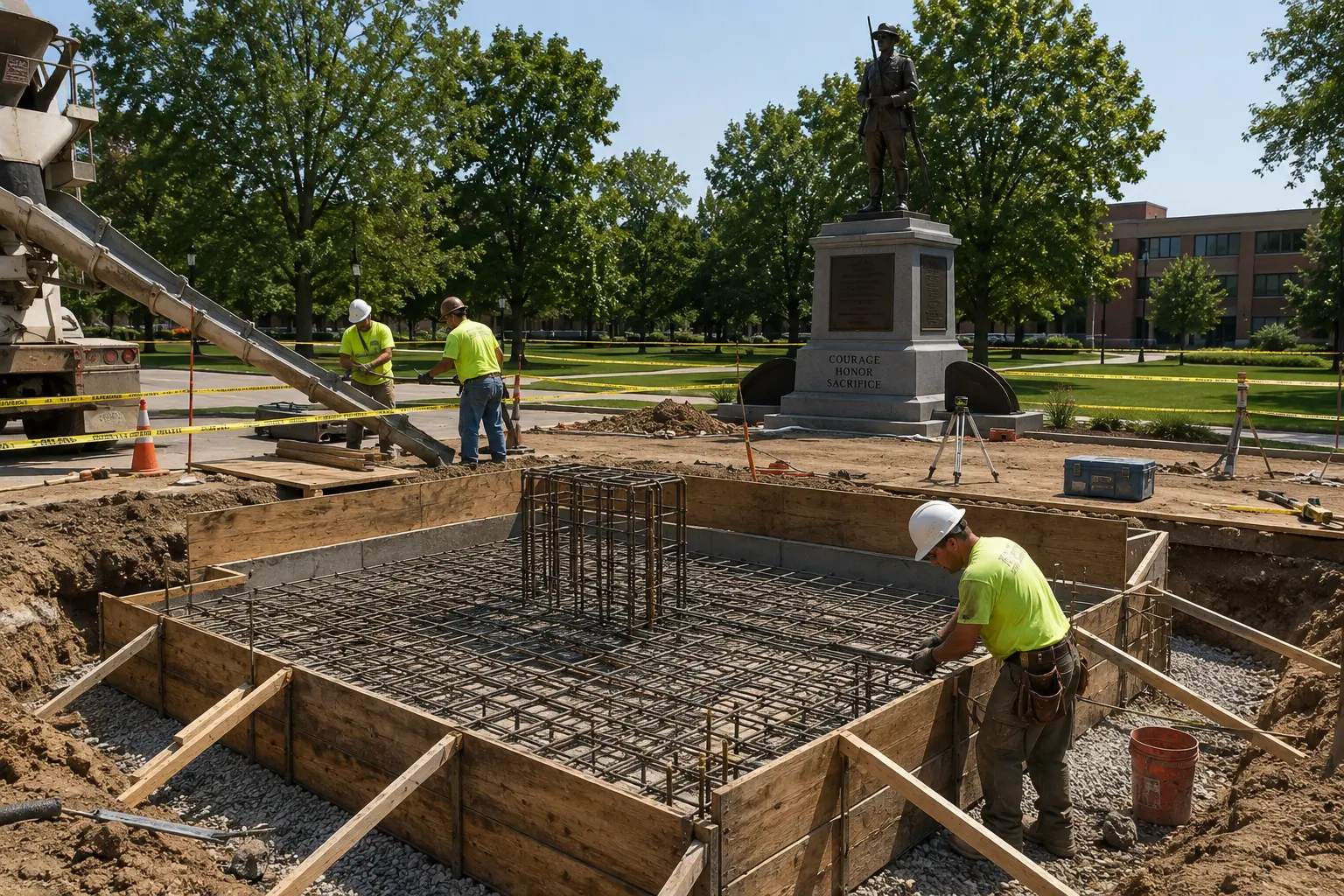 Foundations
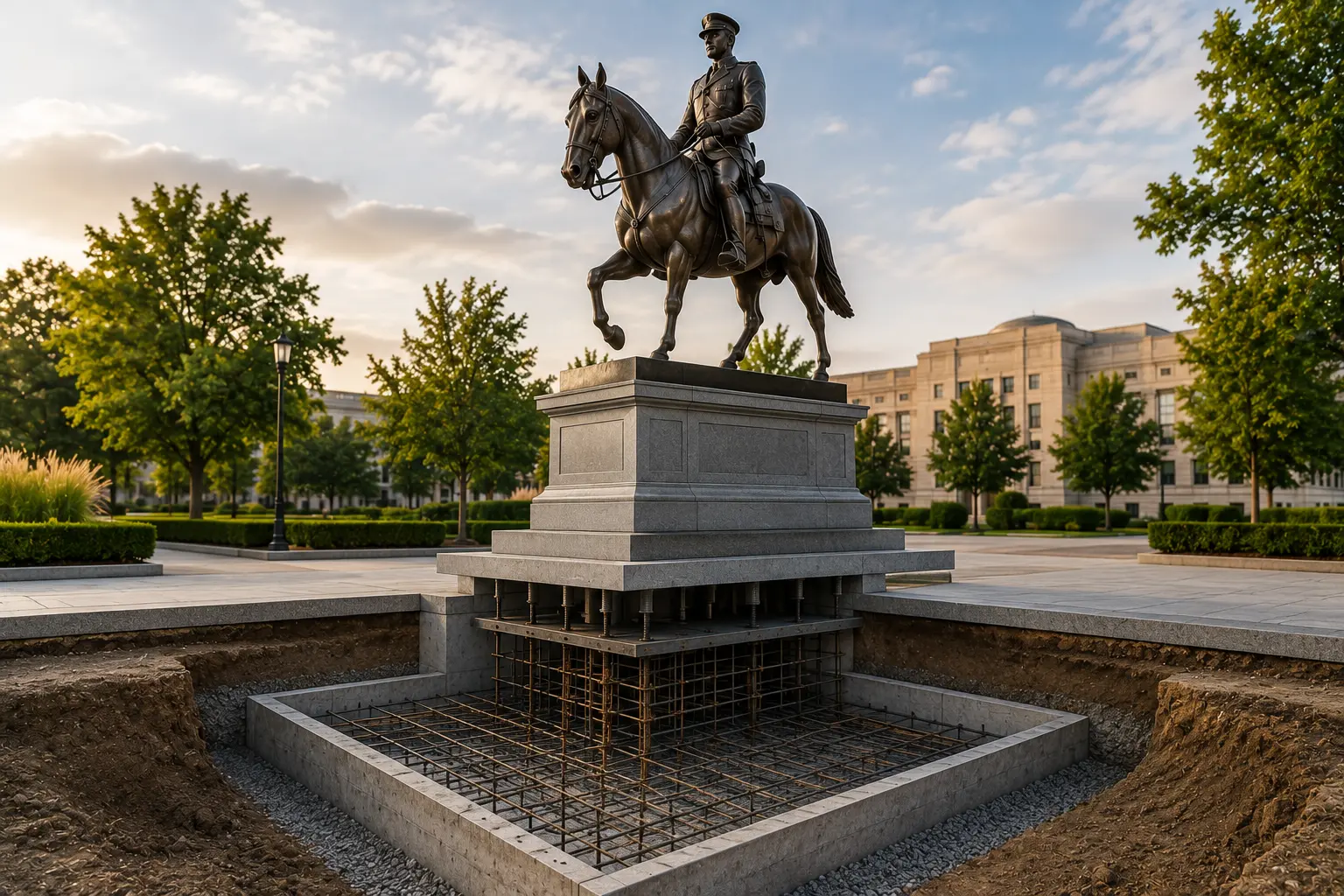 Engineering
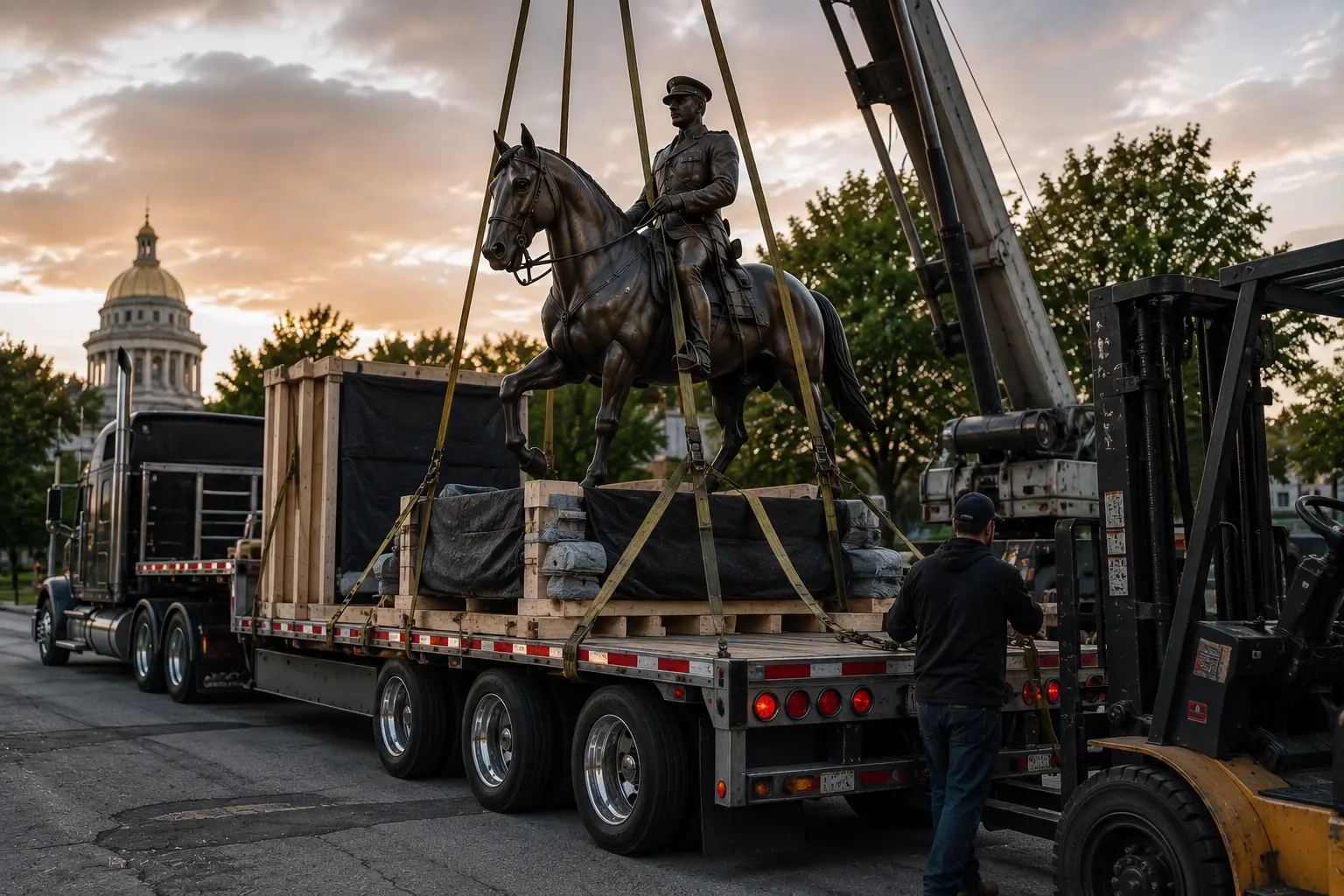 Transportation
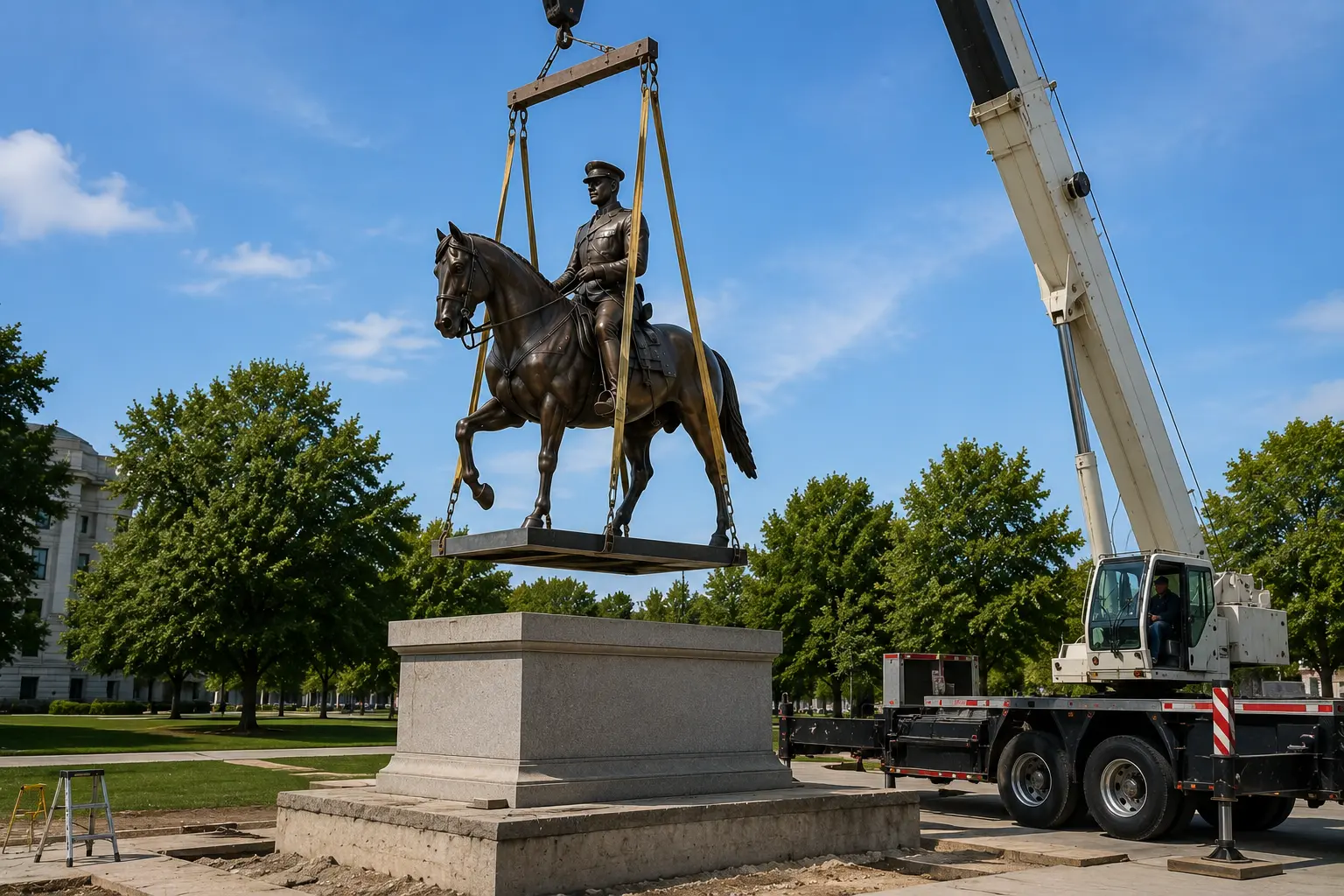 Cranes
 Site
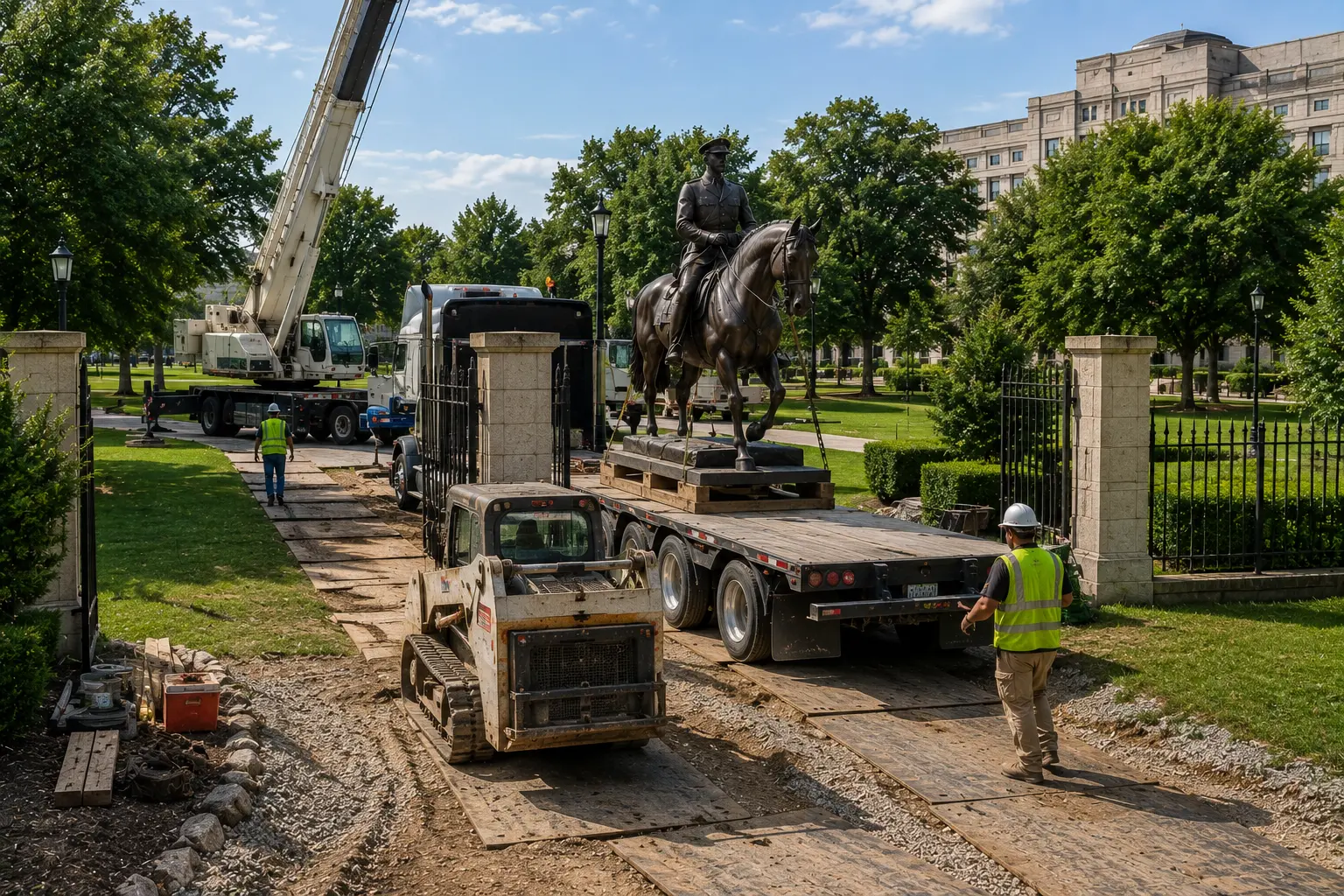
SiteAccess
 Dedication
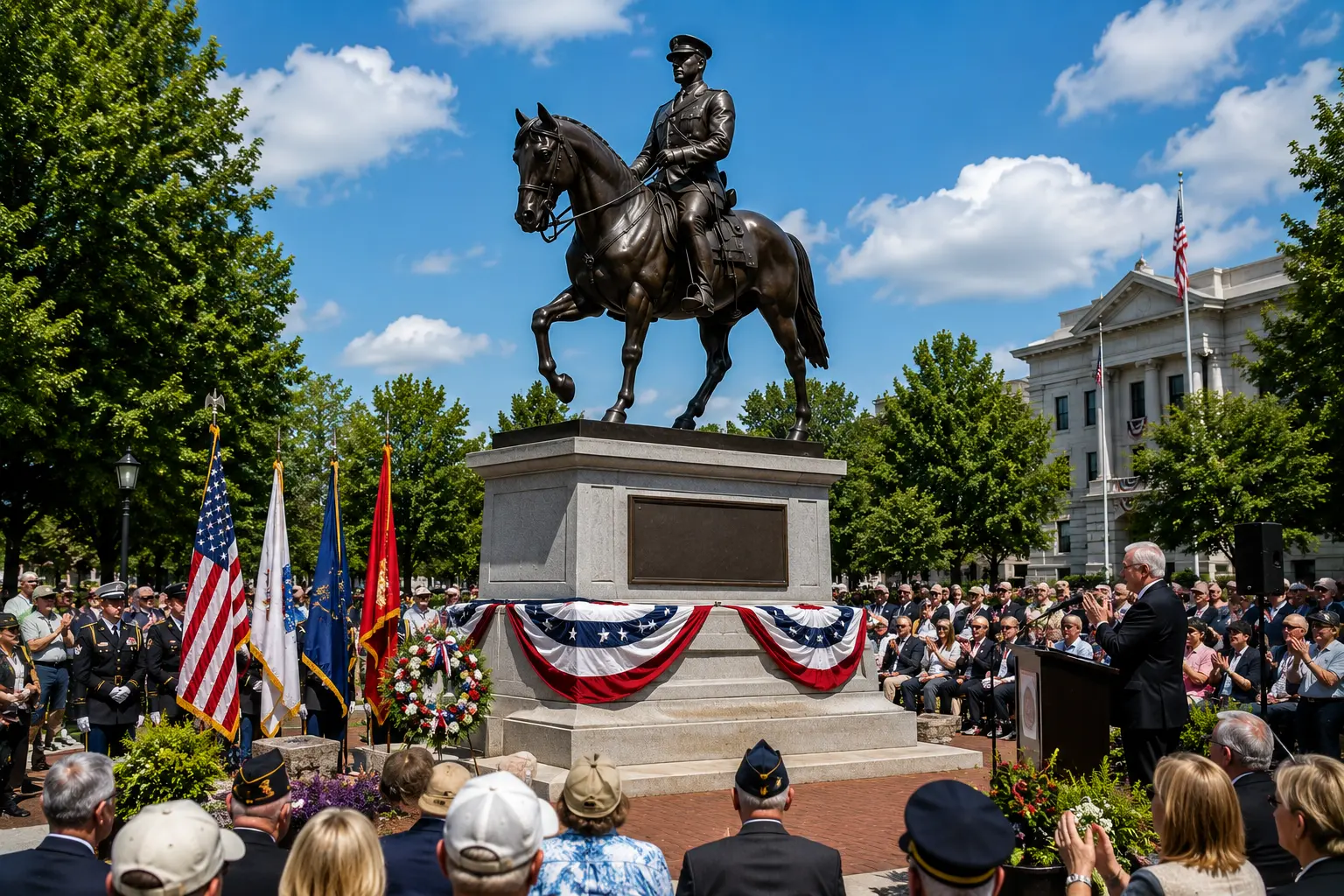
Ceremony
10. Material Comparison
Select a comparison to understand where each option performs best, what tradeoffs to expect, and which choice is most appropriate for a public monument project.
11. Common Mistakes to Avoid
Most monument problems begin long before manufacturing. Therefore, careful planning helps avoid delays, unnecessary costs, approval issues, and installation challenges.
Begin fundraising early with a realistic budget and campaign strategy.
Evaluate visibility, soil, utilities, landscaping, and accessibility first.
Transportation, cranes, and foundations should be planned before production.
Select materials only after defining project goals and location.
Every monument project needs one committee with clear authority.
In addition, every monument should include a long-term maintenance plan.
12. Real Project Examples
Finally, every monument presents unique planning challenges. These examples illustrate how different project types require different approaches.
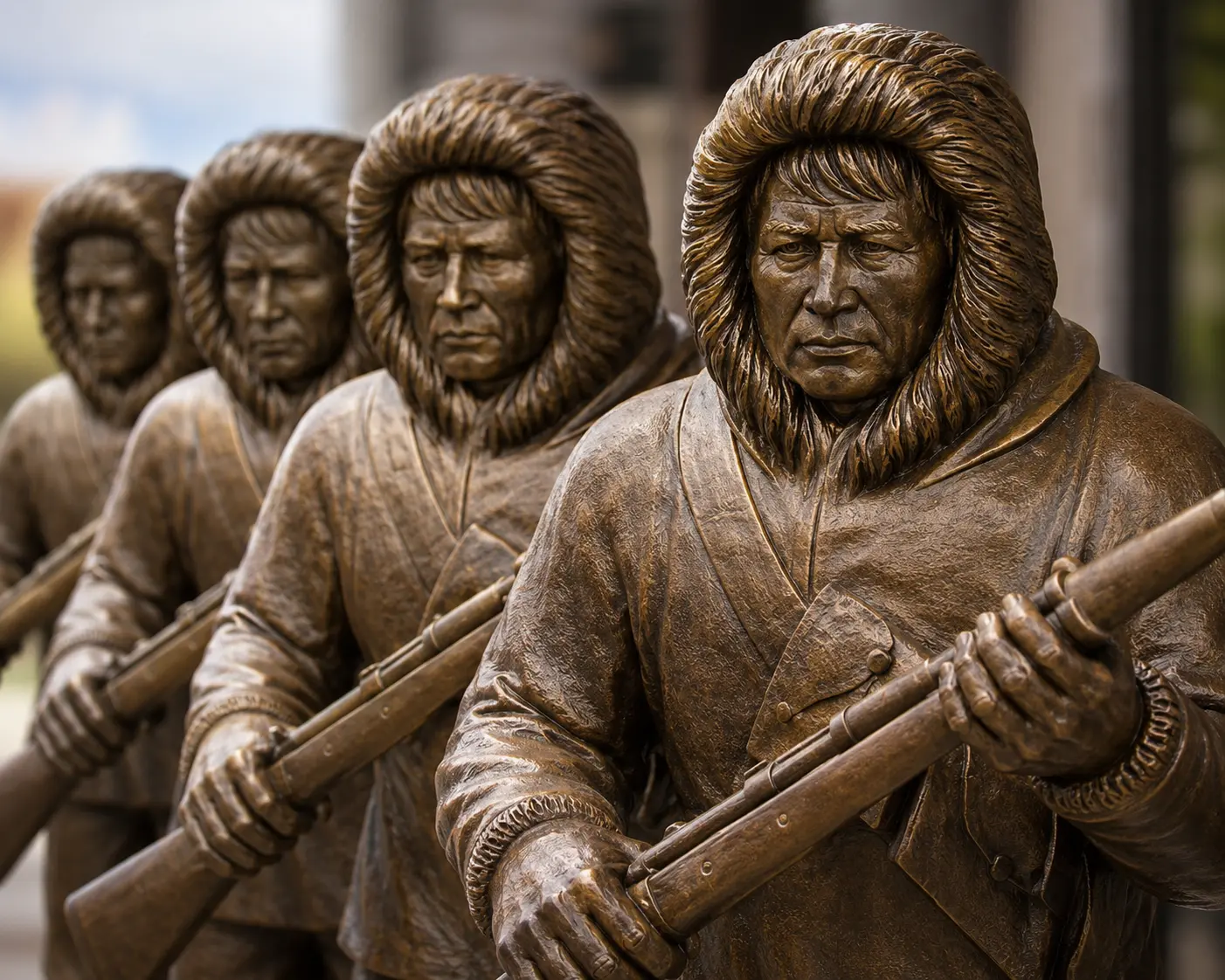 Alaska Territorial
Guard Memorial
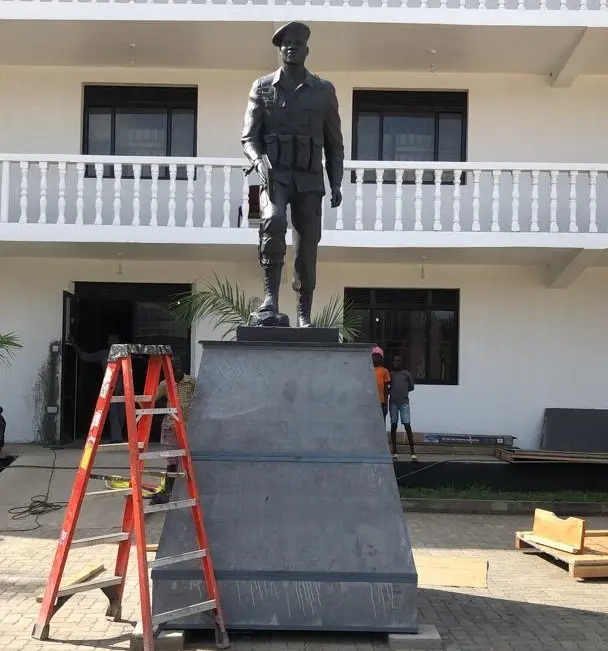 Veterans Memorial
Projects
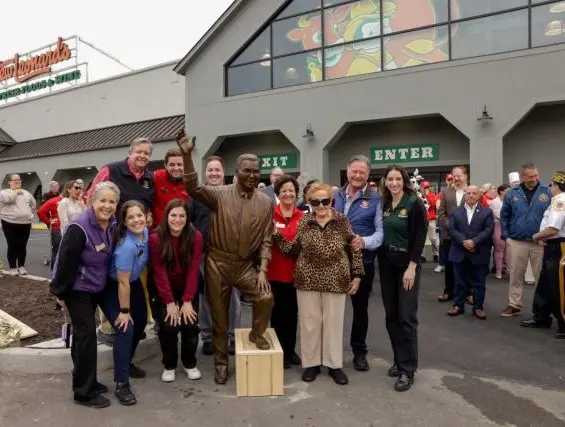 Community
Monuments
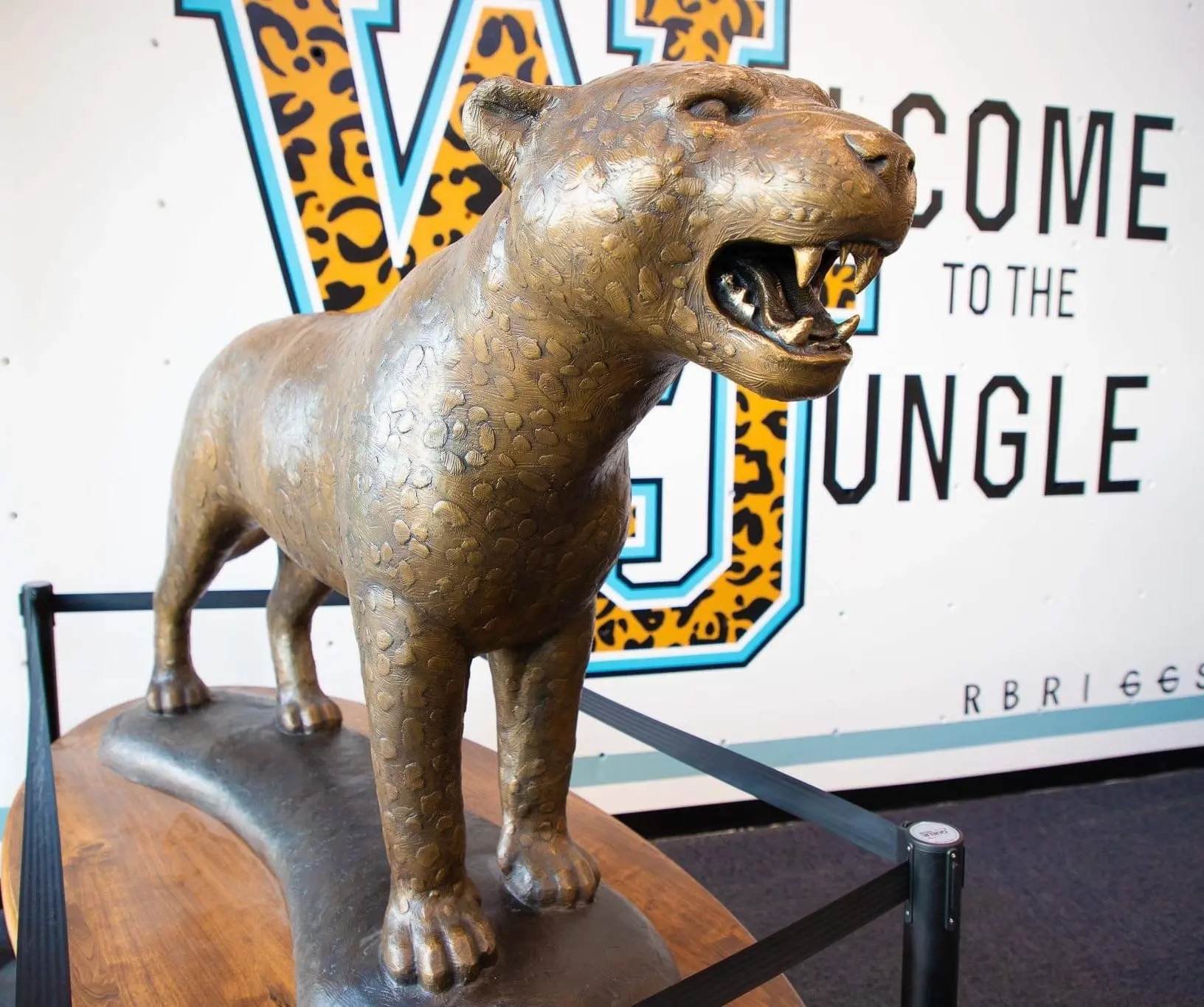 University
Statues
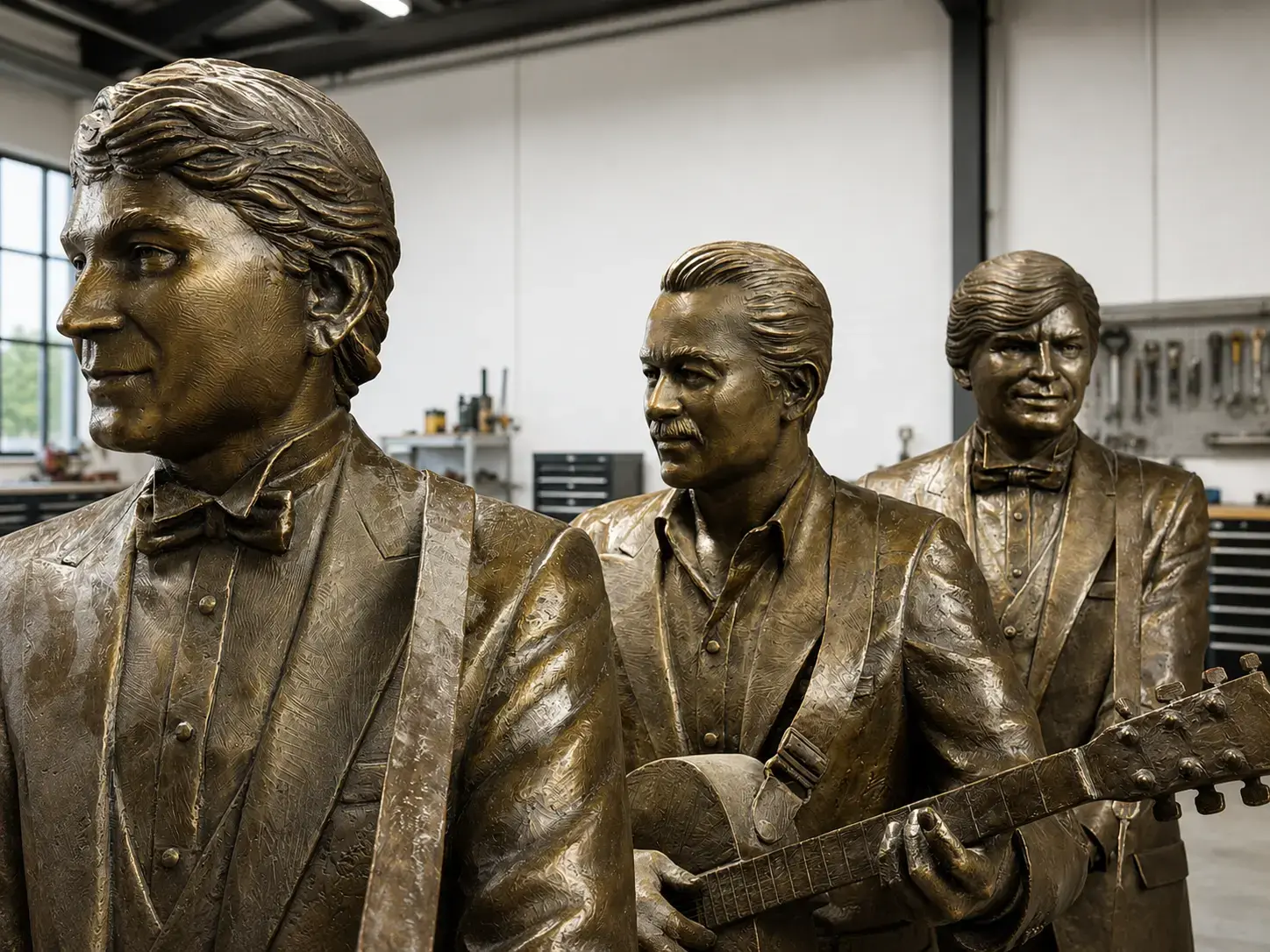 Donor Recognition
Monuments
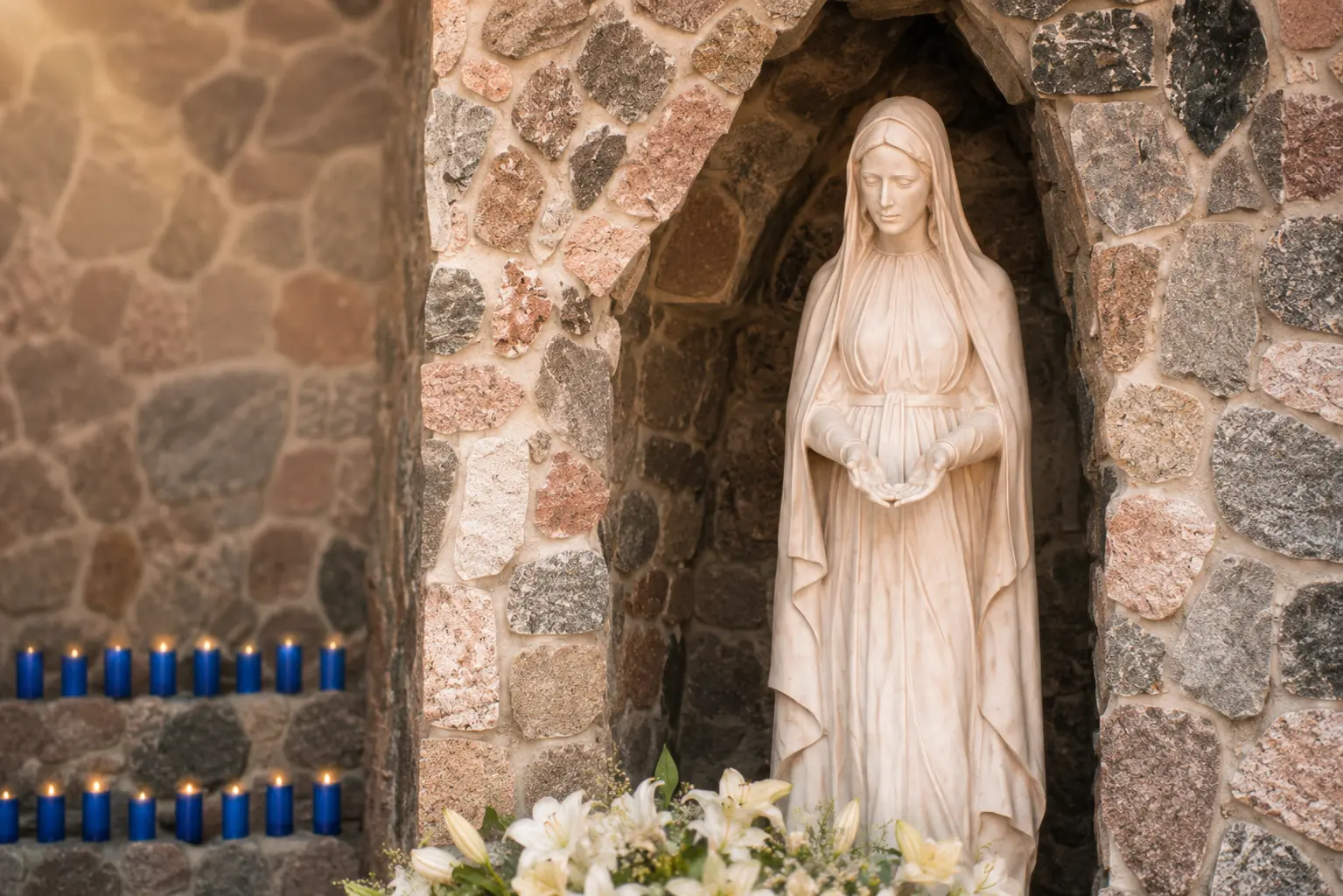 Religious Public
Monuments
13. STATUES.COM INSIGHT
Great monuments are built on great planning.
Successful public monuments begin with strong leadership, realistic budgets, thoughtful site selection, and careful coordination long before sculpting or manufacturing begins.
Use the questions on the right to plan the project before major costs begin.
14. Common Planning Questions & FAQ
Select a question to view practical guidance for planning, funding, approving, producing, installing, and maintaining a public monument.
Ready to Plan a Public Monument?
Whether you are organizing a veterans memorial, civic statue, historical figure monument, religious sculpture, donor recognition project, or community landmark, our team can help guide your project from concept through installation.
Bronze vs. Fiberglass
Bronze and fiberglass can both produce large, detailed sculpture, but they serve very different project goals. For example, bronze is selected for permanence and institutional prestige. By comparison, fiberglass is selected when weight, scale, speed, and budget are the dominant considerations.
Bronze
- Best use: permanent civic monuments, memorials, portraits, and donor-funded landmarks.
- Durability: exceptional exterior lifespan when properly engineered and maintained.
- Appearance: authentic cast metal with rich patinas and high-detail surfaces.
- Weight: heavy; requires stronger foundations, lifting plans, and transportation.
- Investment: higher initial cost, but stronger long-term value and permanence.
Fiberglass
- Best use: oversized displays, replicas, elevated installations, and limited-budget projects.
- Durability: suitable outdoors with proper coatings and scheduled maintenance.
- Appearance: can imitate bronze, stone, or painted finishes, but is not solid metal.
- Weight: very light; easier and less costly to transport and install.
- Investment: typically more economical, especially at very large scale.
Bronze vs. Bonded Marble
Bronze communicates strength, permanence, and traditional civic monumentality. Meanwhile, bonded marble provides a luminous classical appearance that is especially effective for religious, memorial, and interior sculpture.
Bronze
- Visual character: dark metallic surface with customizable patina colors.
- Best environment: demanding permanent exterior sites and high-traffic public settings.
- Detail: captures fine portrait, fabric, inscription, and relief detail.
- Maintenance: periodic cleaning and waxing help protect the patina.
- Project profile: preferred for major civic, veterans, university, and historical monuments.
Bonded Marble
- Visual character: refined white or stone-like finish with classical luminosity.
- Best environment: interiors, protected courtyards, churches, memorial halls, and selected exterior settings.
- Detail: produces crisp sculptural detail and smooth traditional surfaces.
- Maintenance: placement, sealing, and finish selection are important outdoors.
- Project profile: especially strong for sacred art, classical figures, and contemplative memorials.
Permanent vs. Temporary
This comparison is not simply about material. It is about the intended lifespan, public responsibility, structural design, funding model, and maintenance obligation of the entire monument project.
Permanent Monument
- Typical lifespan: intended to remain for generations.
- Materials: bronze, natural stone, stainless steel, and carefully specified durable composites.
- Engineering: requires structural calculations, foundations, anchors, and site-specific installation planning.
- Approvals: usually involves municipalities, institutions, committees, engineers, and public stakeholders.
- Maintenance: must include a documented long-term preservation plan.
Temporary Installation
- Typical lifespan: months, several years, or a defined exhibition period.
- Materials: fiberglass, resin, lightweight composites, temporary metalwork, and modular assemblies.
- Engineering: still requires safe support, but systems may be removable or non-permanent.
- Approvals: can be simpler, depending on site, duration, scale, and public exposure.
- Maintenance: focuses on the scheduled display period and safe removal or relocation.
Bronze
Bronze is a metal alloy traditionally used for permanent sculpture because it captures fine detail, develops a distinguished patina, and performs exceptionally well outdoors when properly engineered and maintained.
Bonded Marble
Bonded marble combines finely ground natural marble with a high-strength resin binder. The result offers the luminous, classical appearance of carved stone with greater design flexibility and a more accessible production cost.
Fiberglass
Fiberglass is a reinforced composite material valued for its low weight, design flexibility, and ability to produce large sculpture forms without the structural mass or cost of cast metal.
How do you start a public monument project?
Every successful public monument begins with a clearly defined purpose. Therefore, before selecting an artist or discussing materials, identify why the monument is being created, who or what it will honor, and what message it should communicate to future generations.
Most projects begin with a small leadership group that establishes goals, develops an initial budget, identifies possible locations, and determines how funding will be obtained. In addition, early planning should address ownership, permitting, long-term maintenance, accessibility, and community involvement.
Next, once the vision is established, consult an experienced monument sculptor. A qualified sculpture studio can help define a realistic budget, recommend appropriate materials, identify engineering and installation requirements, and develop a practical project schedule.
Who should be involved first?
The earliest participants usually include the project sponsor, property owner, key community or institutional leaders, major donors, and an experienced monument sculptor.
Depending on the project, additional participants may also include municipal officials, university representatives, church leaders, veterans organizations, historians, architects, landscape architects, engineers, fundraising professionals, and accessibility consultants.
As a result, bringing the right decision-makers together early reduces conflicting expectations, prevents expensive redesigns, and helps ensure that the artistic concept, site conditions, budget, approvals, and installation plan remain aligned.
Do we need a committee?
Most public monument projects benefit from a focused committee. In practice, the committee provides leadership, financial oversight, fundraising coordination, public communication, and a clear approval structure.
Its responsibilities commonly include defining the project purpose, reviewing artwork, approving budgets, coordinating fundraising, evaluating sites, communicating with the sculptor, and organizing the dedication ceremony.
The committee should remain small enough to make decisions efficiently. Moreover, one person should be designated as the primary contact so the sculptor receives clear, consolidated feedback rather than conflicting instructions from multiple stakeholders.
How early should we contact a sculptor?
Contact a sculptor during the earliest planning stage, before the budget, site, material, or completion date has been finalized.
An experienced monument studio can help determine whether the concept is realistic, identify the likely scale and material, estimate costs, explain engineering and approval requirements, and outline the production timeline.
Otherwise, waiting until fundraising or site planning is complete can create avoidable problems if the proposed budget, location, or schedule does not match the technical requirements of the monument.
How are public monuments funded?
Most public monuments are funded through several sources rather than one donor. Common sources include individual donations, corporate sponsorships, foundation grants, memorial gifts, institutional funding, municipal support, and community fundraising campaigns.
The fundraising goal should cover the entire project, not only the sculpture. For that reason, a complete budget may include design, sculpting, mold making, casting or fabrication, engineering, transportation, foundations, crane services, installation, landscaping, plaques, permits, dedication expenses, and future maintenance.
Many projects encourage support through donor-recognition programs such as engraved plaques, pavers, donor walls, sponsorship levels, printed acknowledgments, and recognition during the dedication ceremony.
What approvals are usually needed?
Approval requirements depend on the location, property ownership, monument scale, foundation design, and local regulations.
A municipal project may require review by planning, zoning, engineering, public works, parks, accessibility, historic-preservation, public-art, and city-council authorities. University, church, cemetery, or private-campus projects may require approval from administrators, facilities departments, trustees, architects, donors, or design-review committees.
Approval conversations should begin before the final artwork and engineering are completed. Consequently, early coordination reduces the risk of redesigns, permit delays, installation conflicts, and unexpected costs.
What is the best material?
There is no single best material for every public monument. The correct choice depends on the intended lifespan, location, scale, artistic detail, budget, structural requirements, and maintenance expectations.
Bronze is generally the preferred material for permanent outdoor monuments because it is durable, structurally capable, highly detailed, repairable, and historically associated with civic sculpture. In contrast, bonded marble is well suited to classical, religious, memorial, and interior sculpture where a refined stone appearance is desired. Finally, fiberglass is lightweight and useful for very large forms, elevated displays, replicas, indoor installations, and projects where weight or budget is a major constraint.
Material selection should follow the project's purpose and site conditions rather than appearance alone.
Does a monument need a foundation?
Most permanent public monuments require an engineered foundation. Specifically, the foundation supports the weight of the sculpture and pedestal, transfers loads into the ground, and helps the monument resist wind, seismic activity, frost movement, soil settlement, and accidental impact.
Foundation size and design depend on the monument's dimensions, weight, center of gravity, anchoring system, soil conditions, drainage, local climate, and building-code requirements.
A licensed structural engineer should review the sculpture, pedestal, anchors, and site conditions before construction. Furthermore, the foundation should be completed and verified before the monument arrives for installation.
Who handles installation?
Installation is usually a coordinated effort involving the sculpture studio, client representative, structural engineer, general contractor, concrete contractor, transportation company, certified rigging crew, crane operator, and local site professionals.
The sculpture studio should provide the monument's dimensions, weight, lifting points, anchoring details, assembly instructions, and installation requirements. Meanwhile, local contractors typically prepare the foundation and site, while specialized carriers and riggers handle delivery, lifting, positioning, and final attachment.
Clear responsibility should be assigned before production is complete so the site, equipment, permits, labor, and monument arrive in the correct sequence.
How is the monument maintained?
Maintenance depends on the monument material, finish, environment, and level of public exposure. Therefore, every project should include a written maintenance plan and periodic inspections.
Bronze monuments generally require gentle cleaning and periodic waxing to protect the patina. Similarly, bonded marble and stone surfaces should be cleaned with appropriate non-abrasive methods and inspected for staining, cracks, joints, or water intrusion. By comparison, fiberglass may require cleaning, surface repairs, or refinishing after extended ultraviolet and weather exposure.
Graffiti, corrosion, drainage problems, loose anchors, cracks, and coating failures should be addressed promptly by qualified professionals. For this reason, aggressive pressure washing or household chemicals can permanently damage sculpture surfaces.
When should dedication be planned?
Begin planning the dedication ceremony several months before the intended installation date, but avoid announcing a firm date until the production and site schedules are reliable.
For example, the event may involve speakers, donors, elected officials, veterans groups, clergy, family members, musicians, media, security, seating, parking, accessibility, signage, unveiling equipment, printed programs, and weather contingencies.
Allow time between installation and dedication for inspections, landscaping, plaque installation, cleanup, photography, and correction of any final site details.
Can donors be recognized?
Yes. Donor recognition is common and can be incorporated without distracting from the artistic purpose of the monument.
For instance, recognition options include engraved plaques, donor walls, commemorative pavers, named sponsorship levels, inscriptions, printed programs, project websites, interpretive signage, and acknowledgments during the dedication ceremony.
The recognition plan should be approved early so names, giving levels, typography, placement, fabrication, and future additions can be handled consistently. Above all, written verification of donor names is essential before engraving or casting.
Can monuments be restored?
Yes. Many bronze, stone, bonded-marble, fiberglass, and mixed-material monuments can be repaired or professionally restored.
Depending on the condition, restoration may include documentation, cleaning, structural stabilization, crack repair, replacement of missing components, bronze repatination, protective waxing, coating removal, repainting, anchor repair, pedestal work, drainage correction, and conservation of plaques or inscriptions.
A qualified conservator or sculpture-restoration specialist should evaluate the monument before work begins. Otherwise, improper cleaning, abrasive blasting, strong chemicals, or untested coatings can cause permanent damage and reduce historical value.
How long does production take?
Production time depends on the monument's scale, complexity, material, approval process, and installation requirements.
A relatively straightforward portrait bust may take several months. By comparison, a life-size or larger bronze monument commonly requires approximately nine to eighteen months, while complex multi-figure monuments, extensive committee reviews, specialized engineering, or difficult international logistics may require longer.
The schedule usually includes research, design, clay sculpting, client approvals, mold making, casting or fabrication, metal chasing, patina or finishing, engineering, site preparation, transportation, and installation. In particular, delayed feedback and late design changes are among the most common causes of schedule extensions.
Can a site be evaluated first?
Yes. A site evaluation should ideally occur before the monument's final size, orientation, pedestal, and foundation are approved.
The evaluation considers visibility, viewing distance, pedestrian circulation, accessibility, utilities, drainage, soil conditions, lighting, landscaping, security, vehicle access, crane placement, equipment staging, overhead obstructions, and the relationship between the sculpture and surrounding architecture.
Early site evaluation helps prevent scale mistakes, access problems, foundation redesigns, landscape damage, and installation delays. Additionally, it allows the sculpture and site to be designed as one unified public experience.