
Memorial Sculpture · Public Art Planning
Why Memorial Sculptures Matter in Public Spaces
Memorial sculpture gives communities a permanent place to remember people, interpret history and gather around shared stories. Its public value depends on more than the statue itself: purpose, site, participation, accessibility and long-term care all matter.
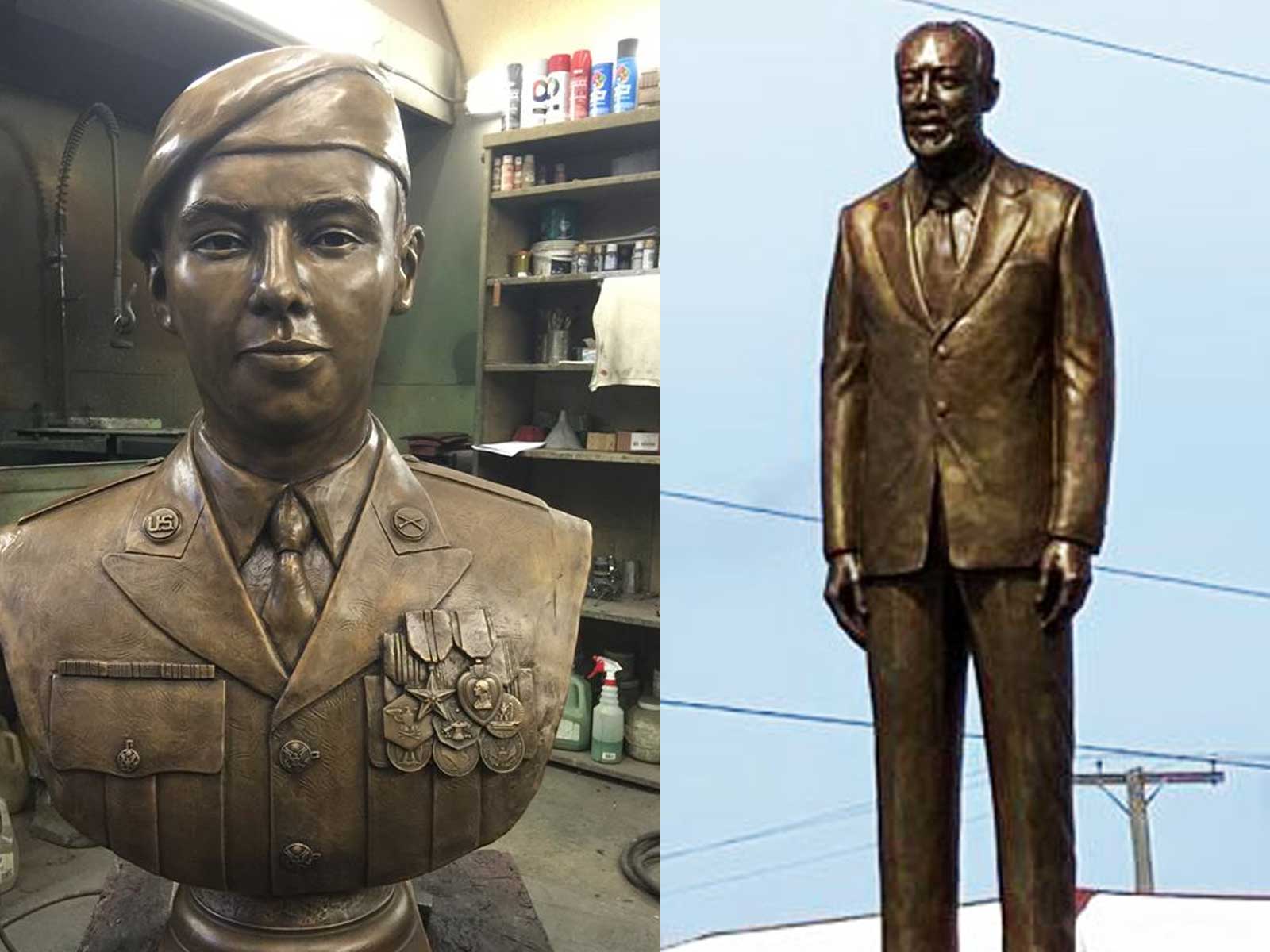
Purpose Before Form
What Makes a Public Memorial Meaningful?
A public memorial is a deliberately created place, object or landscape that helps people remember. Sculpture is one of its most visible forms because a modeled figure, relief, symbol or abstract composition can give physical presence to a story that might otherwise remain distant.
The most successful memorials begin with a clearly stated purpose. A community may wish to honor an individual, recognize collective service, remember lives lost, interpret a difficult event or preserve a story that has been overlooked. That purpose should guide the subject, artistic approach, inscriptions, location and visitor experience.
A memorial does not automatically become meaningful simply because it is permanent or large. Its relevance grows from credible research, appropriate representation, understandable interpretation and a genuine relationship to the people who will encounter it.
Public Value
Six Roles Memorial Sculpture Can Serve
Provide a Place to Reflect
A defined physical setting allows individuals and groups to pause, grieve, leave tributes or participate in commemorative ceremonies.
Honor Service and Achievement
Portrait statues and reliefs can recognize civic leaders, veterans, educators, workers, cultural figures and others whose contributions shaped a community.
Make History Accessible
Artwork, inscriptions and interpretation can introduce visitors to people and events they may not otherwise encounter.
Connect Story to Place
A memorial can express how a community understands its history, landscape, institutions and shared values.
Support Civic Ritual
Thoughtful plazas, seating and circulation can accommodate dedications, anniversaries, educational visits and community gatherings.
Encourage Ongoing Interpretation
Public memorials can prompt questions about whose stories are represented, how history is understood and what should be carried forward.
From Idea to Public Place
Planning Determines Whether a Memorial Works
A memorial project combines art with public-space planning. Decisions about the site, approvals, stakeholder participation, safety, accessibility, engineering, budget and maintenance should begin before the design is finalized.
Define What Is Being Remembered
Write a concise project statement identifying the subject, audience, desired experience and reason the memorial belongs in the proposed setting.
Build a Reliable Historical Record
Confirm names, dates, biographies, uniforms, symbols, inscriptions and archival references before they become part of the artwork.
Identify the Right Stakeholders
Clarify how families, veterans, cultural groups, historians, property owners, public agencies and community representatives will participate.
Design for the Actual Location
Evaluate visibility, approach, circulation, sightlines, utilities, drainage, lighting, security, ceremonies and future surrounding development.
Coordinate Art and Engineering
Align dimensions, materials, structural support, anchoring, foundation design, transport and installation access before production advances.
Plan for Long-Term Care
Assign ownership and establish realistic inspection, cleaning, conservation, landscaping and repair responsibilities.
Site and Visitor Experience
The Sculpture Is Only One Part of the Memorial
Placement changes how a memorial is understood. A figure viewed from across a plaza communicates differently from a portrait encountered at eye level. A quiet garden supports reflection, while a civic square may be designed for ceremonies and public assembly.
The complete visitor experience may include paths, seating, landscaping, lighting, inscriptions, donor recognition, interpretive panels and digital resources. These elements should support the memorial’s purpose without competing with the artwork.
Accessibility must be treated as a design requirement. Visitors should be able to approach, read and experience the memorial through a safe and usable route. Text size, viewing height, contrast, surfaces, slopes, seating and alternative interpretation may all affect access.
Material and Longevity
Outdoor Memorial Materials Must Match the Site
Material selection affects appearance, structural planning, maintenance and lifespan. Bronze is widely used for permanent figurative monuments because it can preserve modeled detail and develop a durable patina. Granite and other stones are often used for bases, walls, inscriptions and landscape elements. Stainless steel, concrete and other materials may suit contemporary or symbolic designs.
No outdoor material is maintenance-free. Water, salts, pollution, ultraviolet exposure, freeze-thaw conditions, irrigation, vegetation, vandalism and incompatible cleaning methods can damage sculpture and surrounding materials. Maintenance requirements should be documented during design rather than addressed only after deterioration appears.
- Match sculpture and base materials to climate and environmental exposure.
- Coordinate dissimilar metals and drainage to reduce staining and corrosion risks.
- Design accessible anchor points and installation details with qualified engineers.
- Provide the owner with documented cleaning and inspection guidance.
- Budget for periodic professional conservation rather than relying on aggressive routine cleaning.
Interpretation and Accountability
Memorials Preserve History—But They Also Interpret It
Every memorial makes choices. It emphasizes certain people, events, symbols and viewpoints while leaving others outside the frame. That does not make commemoration impossible; it makes careful research and transparent decision-making essential.
Project committees should confirm the historical basis of the design, document the source of inscriptions and decide how complex or contested history will be explained. Interpretation can include plaques, websites, oral histories, educational materials and programming that add context beyond what a sculpture alone can carry.
Public response may also change over time. A responsible stewardship plan should preserve the physical object while allowing accurate contextual information to evolve as new research and community understanding develop.
Related Planning Resources
Continue Building a Responsible Memorial Project
Frequently Asked Questions
Public Memorial Sculpture FAQ
What is the purpose of a memorial sculpture in a public space?
A memorial sculpture creates a visible place for remembrance, recognition, education and community reflection. Its specific purpose should be defined by the people, event or history being commemorated.
Who should participate in planning a public memorial?
Participation depends on the subject and site but may include families, community representatives, historians, cultural organizations, veterans groups, artists, property owners, public agencies, architects, engineers and accessibility specialists.
Which materials are commonly used for outdoor memorials?
Common materials include cast bronze, granite, marble, stainless steel and concrete. Selection should reflect the design, climate, structural requirements, maintenance capacity and intended lifespan.
Does a memorial sculpture require permits or engineering?
Many permanent public memorials require property approval, design review, structural or foundation engineering, permits and inspections. Requirements depend on location, scale, utilities, public access and local regulations.
How should accessibility be addressed in memorial design?
Accessible routes, stable surfaces, slopes, viewing distances, text size, contrast, seating and alternative interpretation should be considered from the beginning of site and artwork development.
How are public memorial sculptures maintained?
The owner should establish scheduled inspections, appropriate cleaning, landscape management and funding for periodic conservation. Maintenance methods must be compatible with the sculpture, patina, inscriptions and base materials.
How long does a custom public memorial take to create?
Timelines vary significantly according to research, fundraising, public engagement, approvals, design revisions, engineering, fabrication, site construction and installation. A realistic schedule should be developed after these project requirements are defined.
Planning a Memorial for a Community or Public Institution?
Share the subject, intended site, scale, material preferences, decision-making structure and target dedication date. Statues.com can help define the sculpture scope and coordinate the path from concept through fabrication and delivery.
Start Your Memorial Project