
The Complete
Bronze Statue Guide
Everything you need to know about bronze statues, including costs, design options, manufacturing methods, finishes, maintenance requirements, and long-term value.
1. What Is a Bronze Statue?
Bronze has been the material of choice for fine sculpture for thousands of years. Prized for its strength, beauty, and longevity, bronze statues are created using time-honored techniques that have endured for centuries.
From public monuments and memorials to religious figures and portrait busts, bronze sculptures are crafted to inspire, honor, and last for generations.
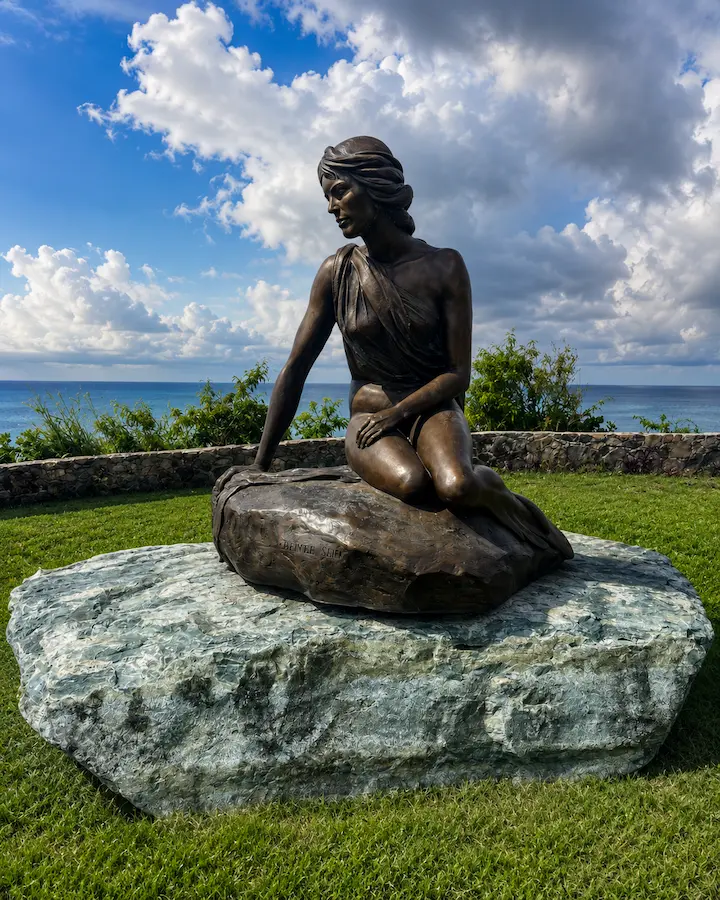
2. Why Choose Bronze?
Can last for centuries with proper care.
The traditional material of fine art sculpture.
Captures the finest artistic details and textures.
Ideal for outdoor installations in any climate.
Recognized and respected worldwide as a premium art form.
Creates a lasting tribute for future generations.
3. Types of Bronze Projects
4. The Bronze Statue Process
Did You Know? Although no complete national census exists, the United States is believed to contain tens of thousands of bronze statues, monuments, busts, and public sculptures. National documentation programs have cataloged more than 30,000 outdoor sculptures of all materials, with bronze representing one of the most prominent materials used for permanent figurative monuments.
5. Lost Wax Casting Explained
The ancient art of lost wax casting ensures every bronze statue is strong, durable, and capable of capturing extraordinary detail.
6. Bronze Alloys
7. Patinas & Finishes
Patinas are applied to enhance, protect, and achieve the desired visual effect.
8. Bronze Cost Factors
Several factors influence the overall cost of a bronze statue.
9. Real-World Bronze Projects
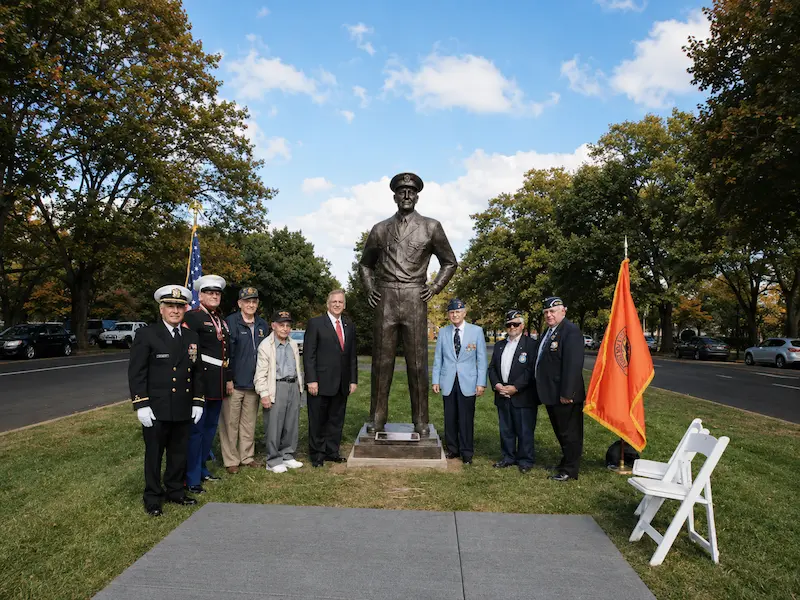 10' Dwight D.
Eisenhower Monument
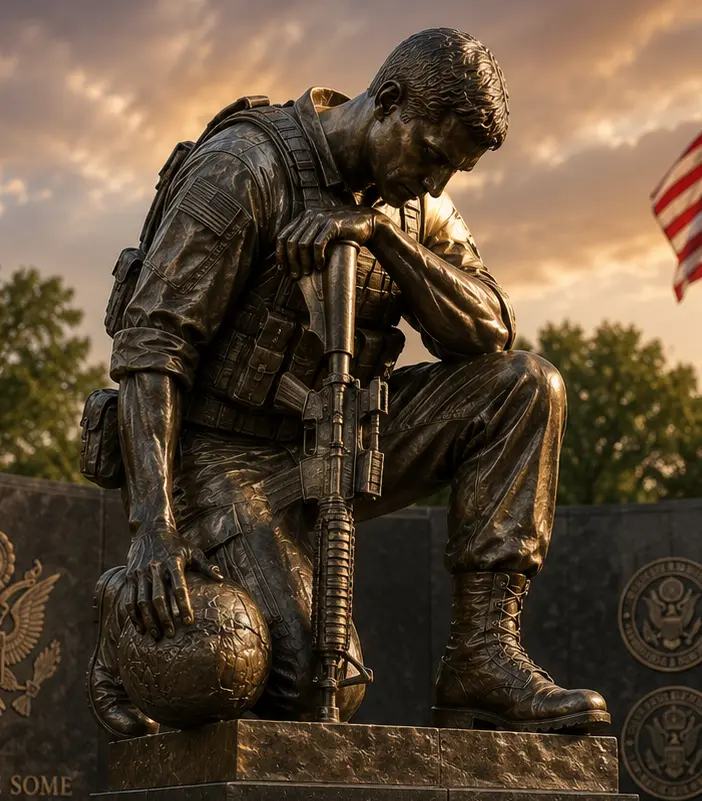 Life-Size
Veteran Memorial
 University
Founder Statue
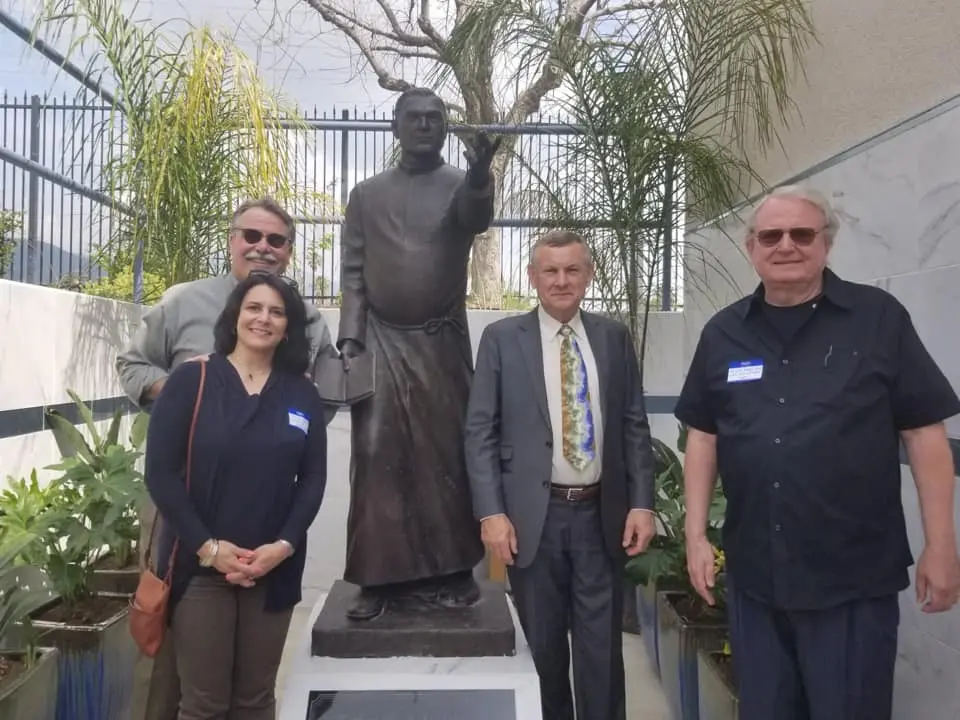 Religious
Bronze Figure
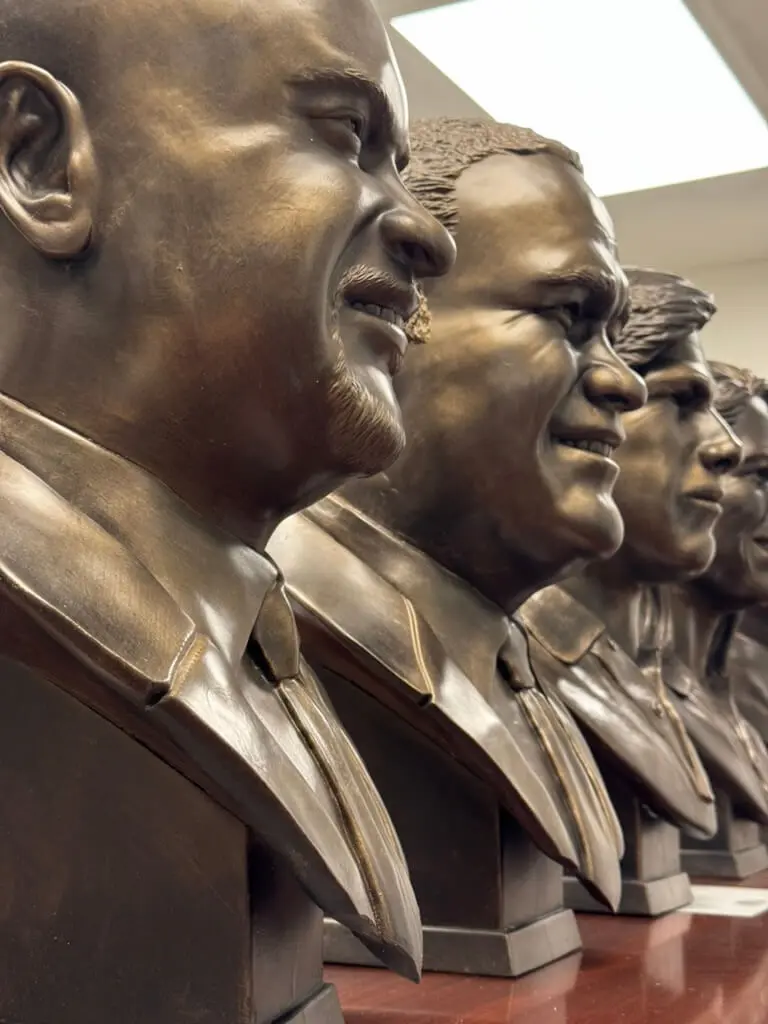 Portrait
Bust
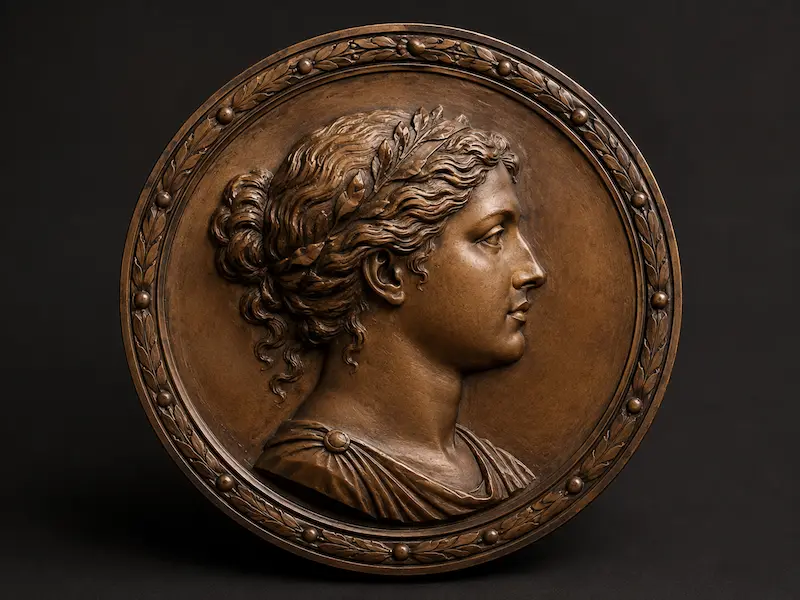 Bronze
Medallion
10. Bronze vs Other Materials
Why bronze remains the preferred choice for lasting value.
11. Installation & Foundations
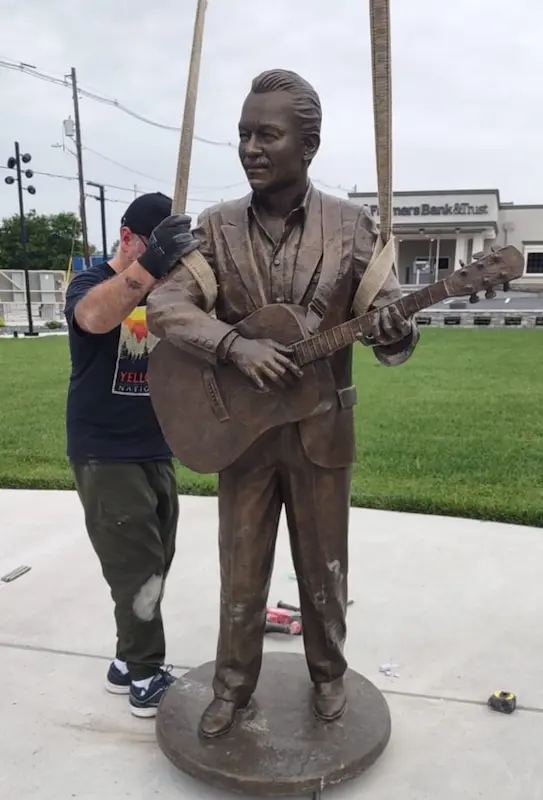
- Engineering & structural requirements
- Concrete foundations & footings
- Anchoring systems & hardware
- Wind loads & environmental factors
- Public safety & code compliance
12. Maintenance & Restoration
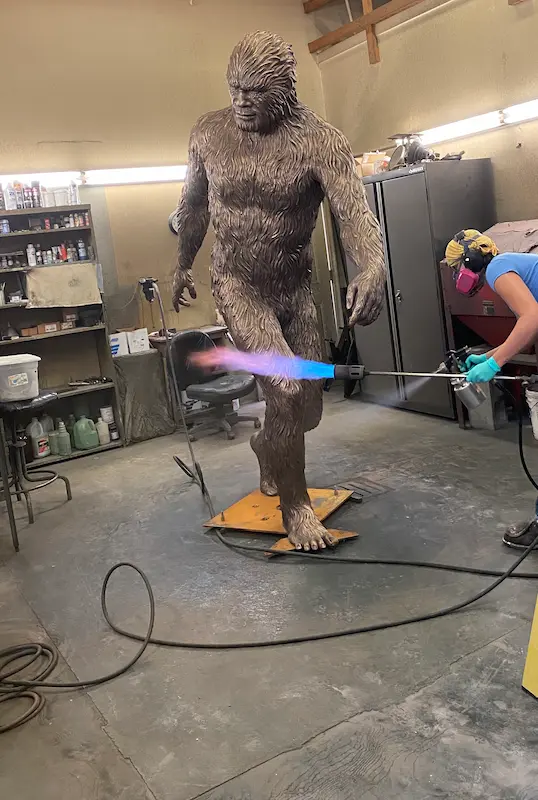
- Periodic cleaning & waxing
- Patina preservation
- Protective coatings
- Restoration & repairs
- Long-term care plans
13. Statues.com Insight
A Bronze Statue Is More Than a Sculpture
The greatest value of bronze is not its metal. The true value lies in its ability to preserve people, ideas, history, faith, and achievement for future generations.
~ The Statues.com Team
14. Common Mistakes to Avoid
- Choosing the wrong size for the location
- Underestimating installation requirements
- Selecting an inappropriate location
- Delaying approvals and decision-making
- Underestimating shipping & transit time
15. Frequently Asked Questions
Click a question to open the answer in a clean popup window.
Ready to Commission a Bronze Statue?
Whether you are planning a public monument, memorial, religious sculpture, portrait bust, or commemorative artwork, our team can help guide your project from concept through installation.
How Size Affects Bronze Statue Cost
Size is one of the strongest cost drivers in a bronze sculpture project. As a statue becomes larger, it requires more sculpting time, more mold material, more wax, more ceramic shell, more bronze, additional welding, greater structural reinforcement, and more extensive finishing.
Large statues also increase engineering, crating, freight, lifting, foundation, and installation requirements. A modest increase in height can therefore produce a much larger increase in total project cost.
How Complexity Affects Bronze Statue Cost
Complexity refers to the amount of artistic and technical detail within the sculpture. Intricate clothing, equipment, animals, multiple figures, difficult poses, open spaces, accessories, architectural elements, and highly detailed portrait work all require additional labor.
Complex designs may also require more mold sections, more individual bronze castings, additional welding, and longer metal-chasing time. Two statues of the same height can therefore have very different costs depending on the complexity of the composition.
How Mold Requirements Affect Cost
Every bronze sculpture requires a mold capable of reproducing the original artwork accurately. Simple forms may use fewer mold sections, while complex figures require many carefully planned pieces to capture undercuts, textures, separate limbs, clothing, and accessories.
Mold cost depends on sculpture size, surface complexity, section count, mold materials, supporting shells, and whether the mold must remain durable enough for future editions. High-quality molds are essential because every wax and bronze casting depends on their accuracy.
How the Number of Castings Affects Cost
The first bronze casting usually carries the largest share of the design, sculpting, and mold-development expenses. When multiple castings are produced from the same approved mold, those original development costs can be distributed across the edition.
Each additional casting still requires wax production, ceramic shell work, bronze pouring, welding, chasing, patina, quality control, crating, and delivery. Quantity can reduce the average cost per casting, but it does not eliminate the foundry labor required for each finished bronze.
How Installation Requirements Affect Cost
Installation costs depend on the statue’s size, weight, location, foundation design, pedestal, anchoring system, access conditions, crane requirements, permits, engineering, and the number of professionals needed on site.
A small indoor bust may require little more than secure placement, while a monumental outdoor sculpture may need excavation, reinforced concrete, structural hardware, rigging, traffic control, specialty equipment, and coordinated installation crews.
How Shipping and Logistics Affect Cost
Shipping costs are influenced by the sculpture’s packed size, weight, destination, crate design, insurance value, freight method, handling requirements, and whether the artwork must travel in one piece or in sections.
Large bronze statues may require custom steel-reinforced crates, dedicated trucks, oversize-load planning, international documentation, customs coordination, cranes, forklifts, or temporary storage. Logistics should be planned early because delivery and installation conditions can materially affect the total project budget.
1. Clay Sculpture
The bronze casting process begins with the original sculpture. The artist develops the figure in clay over a supporting armature, refining the anatomy, expression, clothing, texture, and overall composition.
This stage establishes the artistic quality of the finished bronze. Client reviews and approvals should occur before mold making, because major design changes become more difficult and expensive after the sculpture enters production.
2. Mold Making
A flexible mold is created from the approved sculpture to capture its surface detail. A rigid supporting shell, often called a mother mold, holds the flexible mold in the correct shape during wax production.
Large or complex sculptures are divided into carefully planned mold sections. Accurate mold construction is essential because every later casting depends on the quality, alignment, and durability of this mold system.
3. Wax Copies
Molten casting wax is applied inside the mold to create a hollow wax reproduction of the original sculpture. The wax copy represents the thickness and form that will later become bronze.
Foundry artisans inspect, assemble, and hand-correct the wax sections. Seams, imperfections, and surface details are refined before wax channels are attached to control the flow of molten metal and the release of gases during casting.
4. Ceramic Shell
The prepared wax is repeatedly coated with a heat-resistant ceramic slurry and fine refractory material. Each layer is allowed to dry until a strong shell has formed around the wax pattern.
The shell is then heated so the wax drains or burns away, leaving a precise hollow cavity. This is the origin of the term “lost wax casting”: the wax disappears and the ceramic shell becomes the mold for molten bronze.
5. Bronze Pouring
Bronze is heated until molten and then poured into the preheated ceramic shell. The metal travels through the engineered channel system and fills the cavity once occupied by the wax.
This is a highly controlled foundry operation involving extreme temperatures, specialized equipment, and trained personnel. After cooling, the ceramic shell is removed to reveal the raw bronze casting.
6. Metal Chasing
Metal chasing is the hand-finishing stage used to remove casting channels, repair minor surface irregularities, blend seams, and restore the artist’s original detail after casting and welding.
Grinding, filing, texturing, welding, and specialized hand tools may all be used. Skilled chasing is critical because the goal is to make the technical casting work visually disappear while preserving the character of the sculpture.
7. Bronze Assembly
Large bronze statues are normally cast in multiple sections. These sections are aligned, welded together, structurally reinforced where required, and chased so the joints become visually seamless.
Assembly may also include internal stainless-steel supports, mounting plates, threaded anchors, and engineering provisions for transportation and installation. Precise alignment is essential to preserve the intended posture, balance, and proportions.
8. Patina Application
A patina is the controlled surface coloration applied to bronze through heat, chemicals, pigments, hand finishing, or a combination of techniques. It creates the final color, contrast, and visual character of the sculpture.
After the desired finish is achieved, the surface is commonly protected with wax or another suitable coating. Patina results vary naturally with the alloy, surface texture, application method, lighting, and environmental exposure.
Silicon Bronze
Silicon bronze is widely used for contemporary fine-art and monumental sculpture because it offers strong casting performance, good corrosion resistance, reliable weldability, and the ability to reproduce detailed surfaces.
Exact alloy specifications can vary by foundry and application. For engineered monuments or demanding environments, the selected alloy, welding procedure, wall thickness, and structural design should be documented as part of the project specifications.
Traditional Art Bronze
“Traditional art bronze” is a broad descriptive term for copper-based alloys historically used in sculpture. These alloys are valued for their warm metallic character, castability, workability, and compatibility with a wide range of patinas.
The term does not identify one universal chemical composition. The actual alloy should be confirmed with the foundry, especially when structural performance, welding compatibility, conservation requirements, or long-term outdoor exposure are important.
Specialty Alloys
Specialty alloys may be selected when a sculpture requires unusual color, increased strength, specific corrosion resistance, specialized welding characteristics, marine performance, or compatibility with architectural and structural components.
The correct alloy should be chosen according to the sculpture’s design, environment, fabrication method, engineering requirements, and maintenance plan. A specialty alloy is not automatically superior; it must solve a clearly defined project requirement.
Traditional Brown Patina
Traditional brown is one of the most established bronze finishes. It may range from warm amber and chestnut tones to deep chocolate brown, often with darker recessed areas and lighter highlights that emphasize sculptural detail.
This finish works well for portrait statues, memorials, figurative sculpture, public monuments, and classical subjects. The exact result depends on the bronze alloy, surface preparation, heat, chemical application, texture, and protective coating.
Statuary Green Patina
Statuary green creates the blue-green or verdigris character associated with aged outdoor bronze. It can be applied as an overall finish or layered over darker bronze tones to create depth and natural variation.
The color may continue to evolve outdoors as the sculpture responds to moisture, air quality, salts, sunlight, and maintenance practices. Regular inspection and appropriate protective care help manage the appearance over time.
Black Patina
Black patina gives bronze a strong, formal, and contemporary appearance. Depending on the application, it can range from a soft charcoal tone to a deep near-black surface with controlled highlights.
The finish is especially effective on portrait busts, architectural sculpture, memorials, and designs where silhouette and form should dominate. Surface texture and lighting remain visible even when the overall color is very dark.
Golden Bronze Finish
A golden bronze finish emphasizes the warm metallic character of the alloy. It may use translucent patina layers, selective polishing, highlighted surfaces, or protective coatings to create a luminous gold-toned appearance without hiding the underlying bronze.
This finish is well suited to decorative sculpture, awards, religious subjects, interior installations, and projects requiring a refined or celebratory presentation. Highly polished areas generally require more careful maintenance to preserve their appearance.
Custom Patina Finishes
Custom patinas combine colors, highlights, layered chemical treatments, pigments, polished areas, or contrasting surface effects to support a specific artistic vision, architectural environment, brand identity, or historical reference.
Approval samples are strongly recommended because patina is an artistic, hand-applied process rather than a perfectly uniform paint color. Final appearance can vary with texture, scale, lighting, alloy composition, application technique, and outdoor aging.
Bronze Public Monuments
Bronze public monuments are permanent, large-scale sculptures created for civic plazas, parks, government grounds, museums, and other shared public spaces. They often commemorate historical figures, community achievements, military service, or events of lasting public importance.
These projects typically require artistic development, committee approvals, structural engineering, site planning, foundations, transportation, professional installation, and a long-term maintenance strategy. Bronze is especially well suited to public monuments because it combines fine detail, structural strength, weather resistance, and enduring cultural prestige.
Bronze Memorial Statues
Bronze memorial statues preserve the memory of an individual, group, sacrifice, or meaningful event through permanent sculpture. They may depict a specific person, a symbolic figure, a military subject, or a narrative scene designed to communicate remembrance and respect.
A successful memorial balances portrait accuracy, emotional tone, historical context, scale, inscriptions, site conditions, and the experience of visitors. Bronze is frequently selected because it offers dignity, permanence, detailed surface work, and the ability to withstand outdoor exposure for generations.
Bronze Religious Sculpture
Bronze religious sculpture is commissioned by churches, schools, religious communities, cemeteries, retreat centers, and private patrons to express faith, devotion, remembrance, and spiritual identity. Subjects may include saints, biblical figures, clergy, symbolic compositions, or custom devotional artwork.
The design process should respect religious tradition, iconography, facial expression, gesture, clothing, scale, and the architectural setting. Bronze is an excellent material for outdoor religious sculpture because it provides permanence, refined detail, and a dignified finish that can age gracefully over time.
Bronze Portrait Busts
Bronze portrait busts are custom sculptures created to preserve an individual's likeness, personality, and legacy. They are commonly commissioned to honor founders, leaders, educators, clergy, public officials, donors, family members, and historically significant individuals.
Portrait accuracy depends on strong reference photographs, careful sculpting, client review, and attention to expression, posture, clothing, and character. Bronze portrait busts are suitable for lobbies, libraries, campuses, museums, memorial spaces, executive offices, and formal recognition displays.
University and Campus Bronze Art
University and campus bronze sculptures strengthen institutional identity and preserve the stories of founders, presidents, benefactors, faculty members, athletes, alumni, and defining moments in a school's history. They may serve as landmarks, gathering places, donor-recognition features, or educational works of public art.
Campus projects require careful coordination among administrators, donors, facilities teams, architects, artists, and installation professionals. The final sculpture should be designed for its location, pedestrian flow, viewing distance, campus architecture, safety requirements, and long-term maintenance.
Corporate Recognition Bronze Pieces
Corporate recognition sculptures are custom works created to honor founders, executives, employees, partners, sales achievements, anniversaries, philanthropic contributions, and major organizational milestones. Formats can include portrait busts, figurative sculptures, reliefs, medallions, branded artwork, and presentation awards.
Bronze gives recognition pieces a sense of permanence, importance, and craftsmanship that standard trophies cannot match. Projects can be produced as one-of-a-kind commissions or as limited editions for repeated awards, donor programs, leadership honors, and corporate heritage displays.
Bronze vs. Bonded Marble
Bronze is the stronger choice for permanent outdoor monuments, public art, memorials, and prestigious commissions. It offers exceptional durability, structural strength, weather resistance, and long-term value. Bronze can capture fine detail, accepts a wide range of patinas, and can last for generations with proper maintenance. Its principal disadvantages are higher cost, greater weight, and a more complex casting and installation process.
Bonded marble is made from marble powder combined with resin. It offers the refined appearance of carved stone at a lower cost and with less weight than bronze or solid marble. It is especially suitable for religious statues, indoor displays, architectural sculpture, museum reproductions, and projects where a clean white-marble appearance is preferred. It is generally less durable than bronze in exposed outdoor environments and requires greater protection from impact, moisture, and severe weather.
Best choice: Choose bronze for permanence, outdoor durability, prestige, and investment value. Choose bonded marble for a classical stone appearance, lower cost, lighter weight, and indoor or protected installations.
Bronze vs. Fiberglass
Bronze is best suited for permanent monuments, memorials, civic sculpture, and projects where longevity, prestige, structural strength, and enduring material value are priorities. It withstands outdoor exposure well, supports intricate detail, and can remain serviceable for generations when properly maintained.
Fiberglass is substantially lighter and usually more economical. It is a practical choice for large decorative figures, themed environments, indoor displays, replicas, temporary installations, and projects with difficult access or limited structural capacity. Fiberglass can reproduce excellent detail, but it does not offer the same permanence, impact resistance, fire resistance, or long-term prestige as cast bronze.
Best choice: Choose bronze for permanent, high-value outdoor sculpture. Choose fiberglass when low weight, larger scale, faster handling, or a more controlled budget is the dominant requirement.
Bronze vs. Resin
Bronze is the superior material for permanent fine-art sculpture, outdoor monuments, memorials, and heirloom-quality commissions. It provides exceptional durability, authentic metal character, structural strength, and long-term artistic and material value.
Resin is lighter, less expensive, and well suited for small sculptures, presentation pieces, awards, prototypes, limited editions, and indoor decorative use. Resin can accept painted, metallic, or bronze-toned finishes and can reproduce fine detail efficiently. However, it is more vulnerable to impact, ultraviolet exposure, heat, and long-term surface deterioration than bronze.
Best choice: Choose bronze for permanence, outdoor performance, and legacy value. Choose resin for smaller indoor pieces, replicas, awards, prototypes, and budget-conscious editions.
How long do bronze statues last?
Bronze statues can last for centuries when they are properly designed, cast, installed, and maintained. Outdoor bronze develops a natural patina over time, and periodic cleaning and waxing can help protect the surface and preserve the intended finish.
Can bronze statues be repaired?
Yes. Bronze statues can often be repaired, refinished, rewelded, repatinated, or restored depending on the type of damage. Common restoration work includes surface cleaning, wax protection, patina correction, structural repair, and replacement of damaged mounting hardware.
Why are bronze statues expensive?
Bronze statues are expensive because they require sculpting, mold making, wax production, ceramic shell work, metal casting, welding, chasing, patina work, engineering, crating, shipping, and often installation. The final price reflects both the raw material and the highly skilled labor involved.
How are bronze statues cast?
Most bronze statues are created through the lost wax casting process. The artwork is sculpted, molded, reproduced in wax, coated in ceramic shell, burned out, cast in molten bronze, welded together, chased by hand, and finished with a selected patina.
Can bronze statues be installed outdoors?
Yes. Bronze is one of the best materials for outdoor sculpture because it is durable, weather resistant, and structurally strong. Outdoor bronze statues should be installed on properly engineered bases or foundations and maintained periodically to protect the surface finish.
Is bronze better than fiberglass?
Bronze is generally better for permanent outdoor monuments, memorials, and prestige projects. Fiberglass can be a strong choice for lightweight, large-scale, indoor, themed, or budget-sensitive projects. The better material depends on the purpose, location, budget, and expected lifespan of the sculpture.
What is a patina?
A patina is the surface color and finish applied to bronze through heat, chemicals, and hand finishing. Patinas can create traditional brown, green, black, golden bronze, or custom tones. They also help define the final character and visual depth of the statue.
How long does production take?
Production time depends on the statue size, complexity, approval process, mold work, foundry schedule, finishing requirements, and installation needs. Smaller bronze pieces may take a few months, while life-size or monumental bronze projects often require several months or longer.
How much does a bronze statue weigh?
The weight of a bronze statue depends on its size, wall thickness, internal armature, base design, and casting method. Small bronze pieces may weigh only a few pounds, while life-size and monumental bronze statues can weigh hundreds or thousands of pounds.
Can a bronze statue be created from photographs?
Yes. A bronze statue can often be created from photographs, especially when multiple clear reference images are available. For portrait statues, strong front, side, and three-quarter views help the sculptor capture likeness, posture, expression, clothing, and important personal details.