
The Complete
Museum Reproductions Guide
Everything you need to know about museum-quality reproductions, including mold making, replication methods, materials, finishes, preservation, display, and long-term collection value.
1. What Is a Museum Reproduction?
A museum reproduction is a carefully made replica of an original sculpture, artifact, relief, architectural element, or historical object. These works are created to preserve, display, study, or share important cultural and artistic pieces.
Museum-quality reproductions require accuracy, sensitivity to the original artwork, proper materials, and careful finishing to achieve a faithful and respectful result.
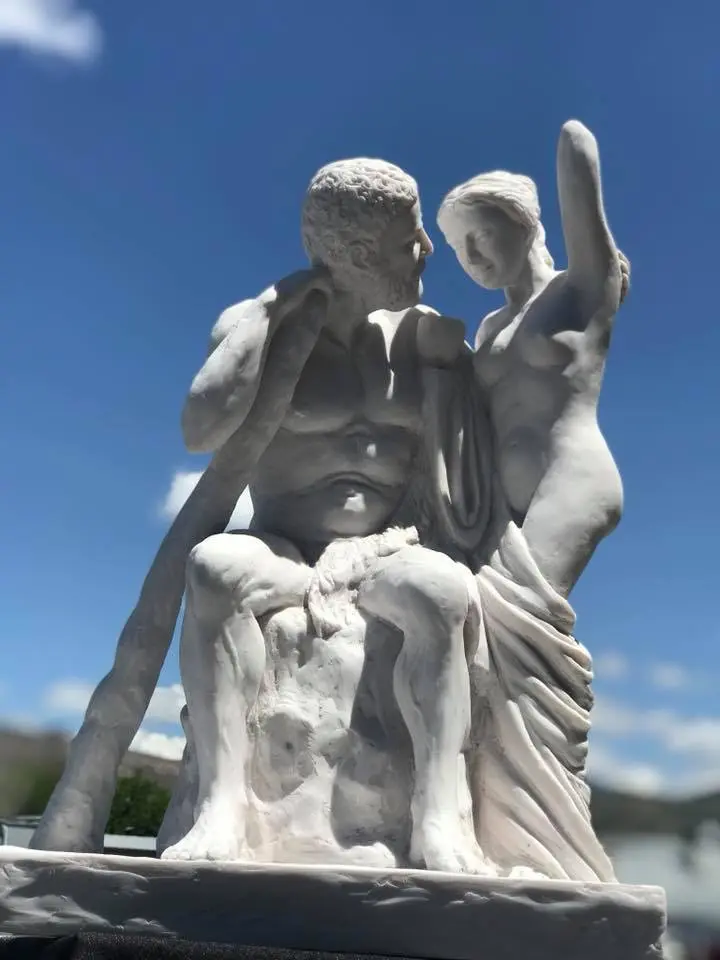
2. Why Create a Reproduction?
Protects originals while allowing public display.
Captures form, scale, texture, and detail.
Supports teaching, study, and interpretation.
Allows replicas to be displayed where originals cannot.
Combines technical skill with artistic sensitivity.
Makes important works available to wider audiences.
3. Types of Museum Reproduction Projects
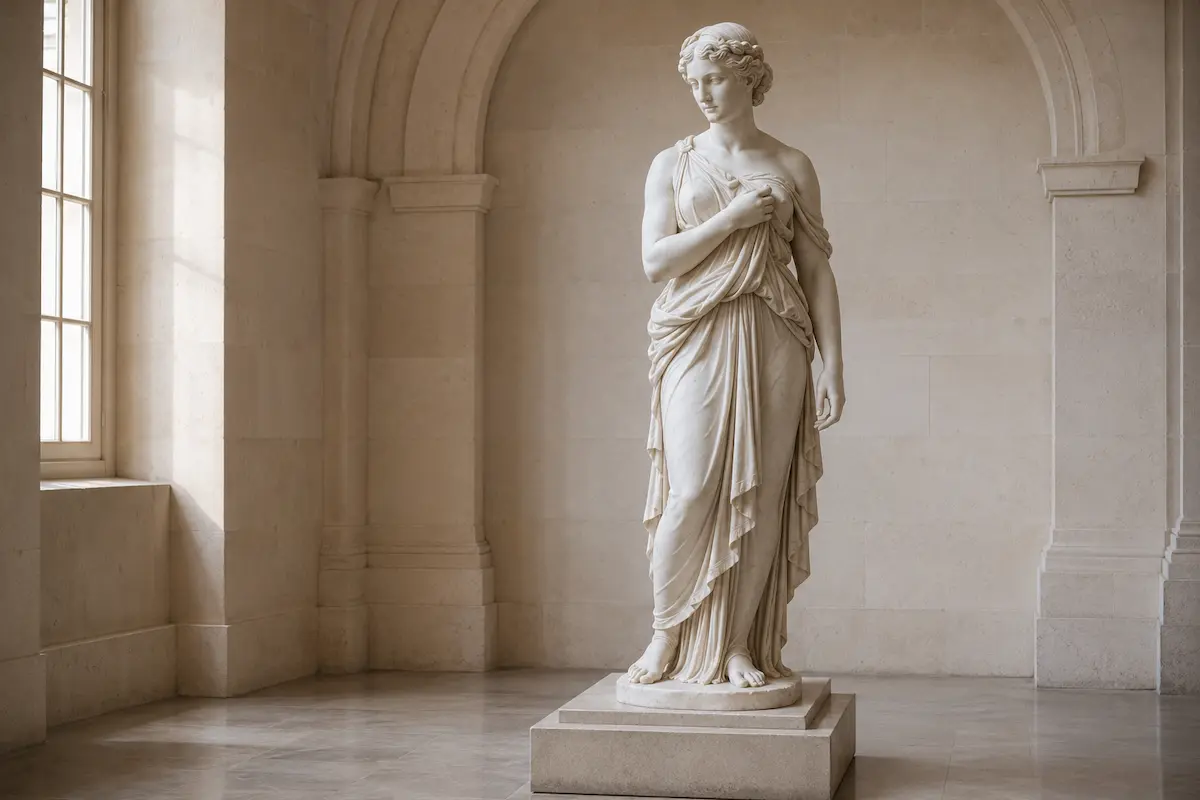 Classical
Sculpture
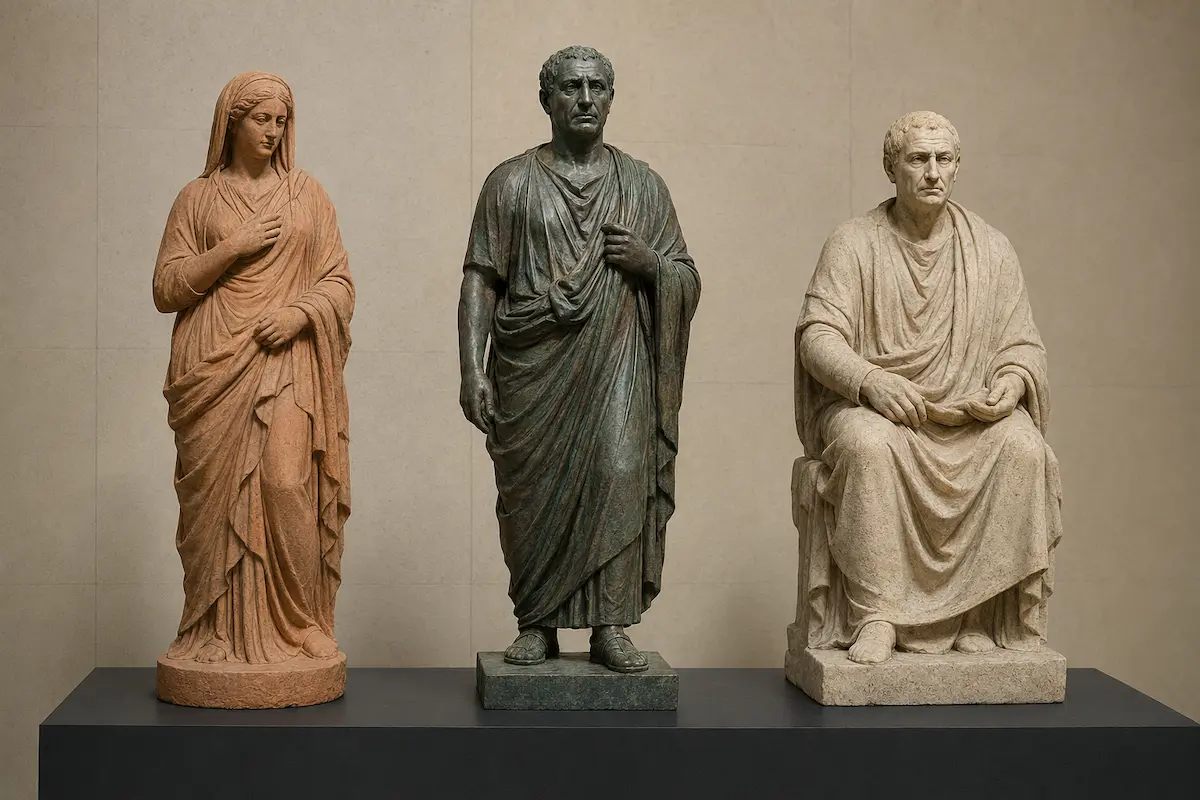 Historical
Artifacts
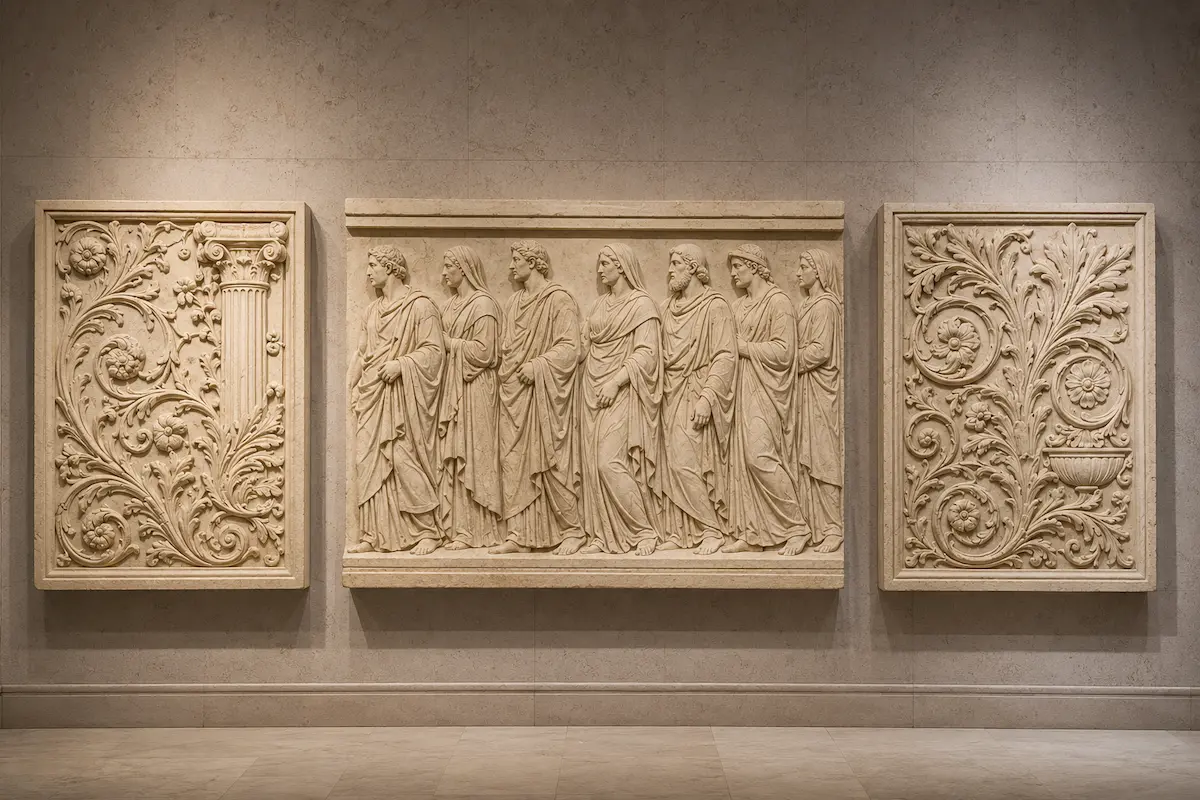 Relief
Panels
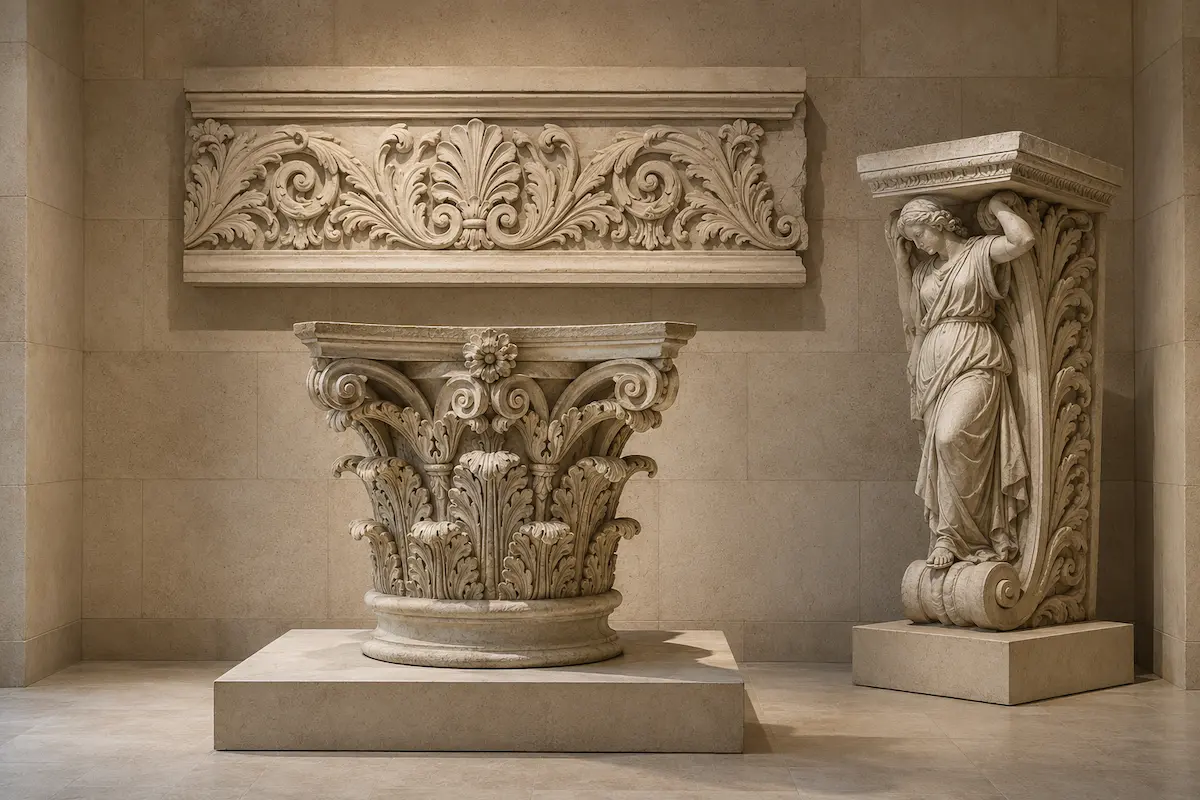 Architectural
Elements
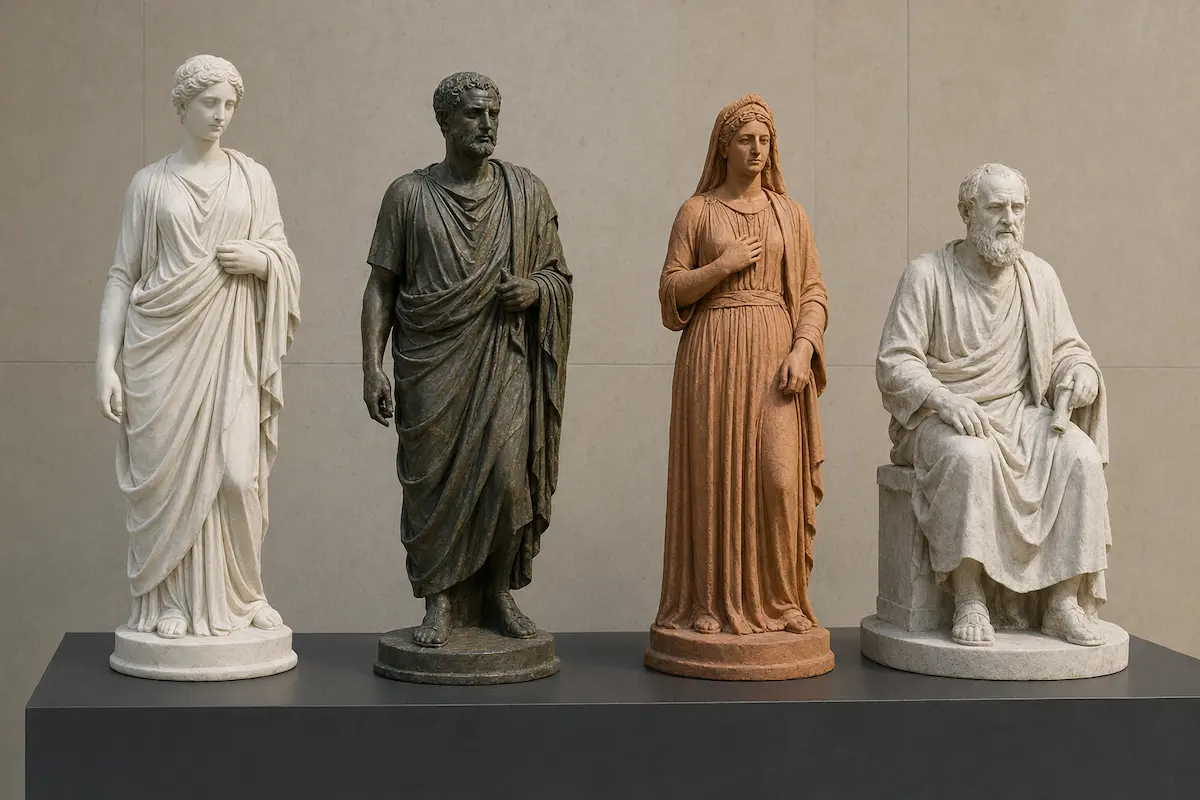 Educational
Replicas
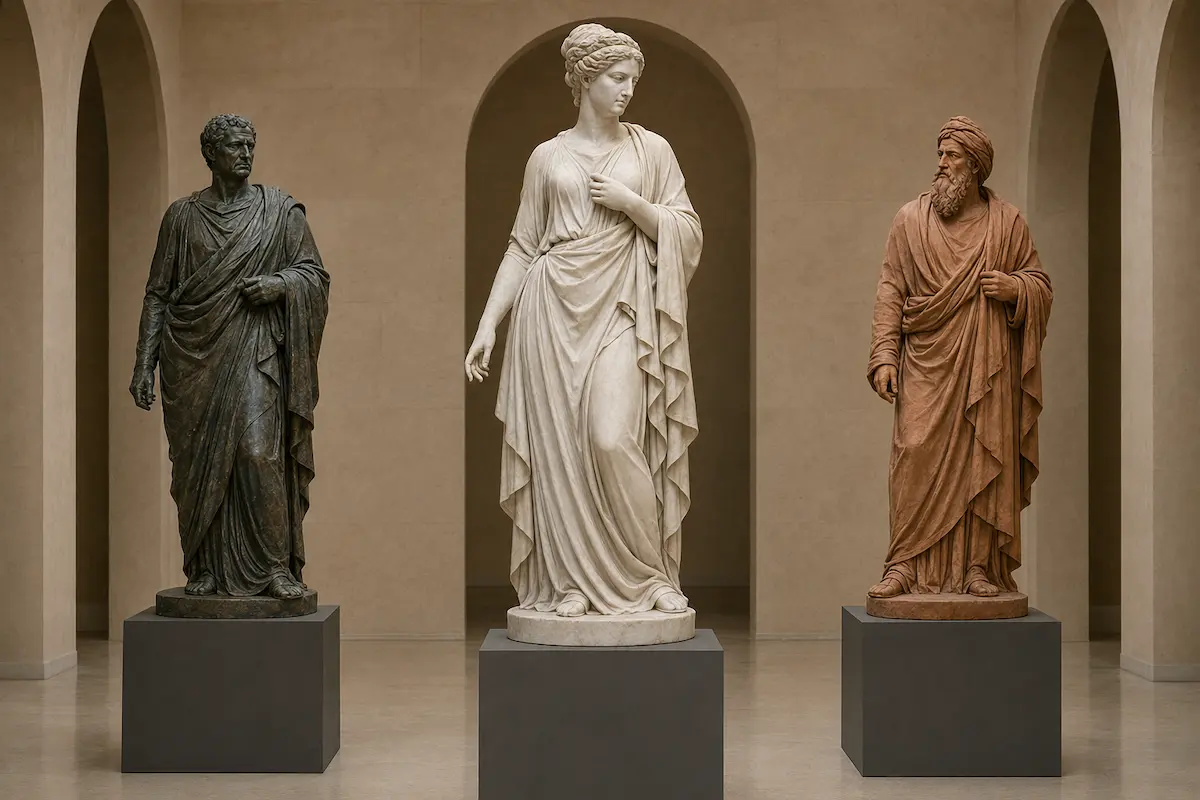 Exhibit
Objects
4. The Museum Reproduction Process
5. Documentation & Mold Making
Accurate reproduction begins with careful documentation, photography, measurement, surface study, and mold planning.
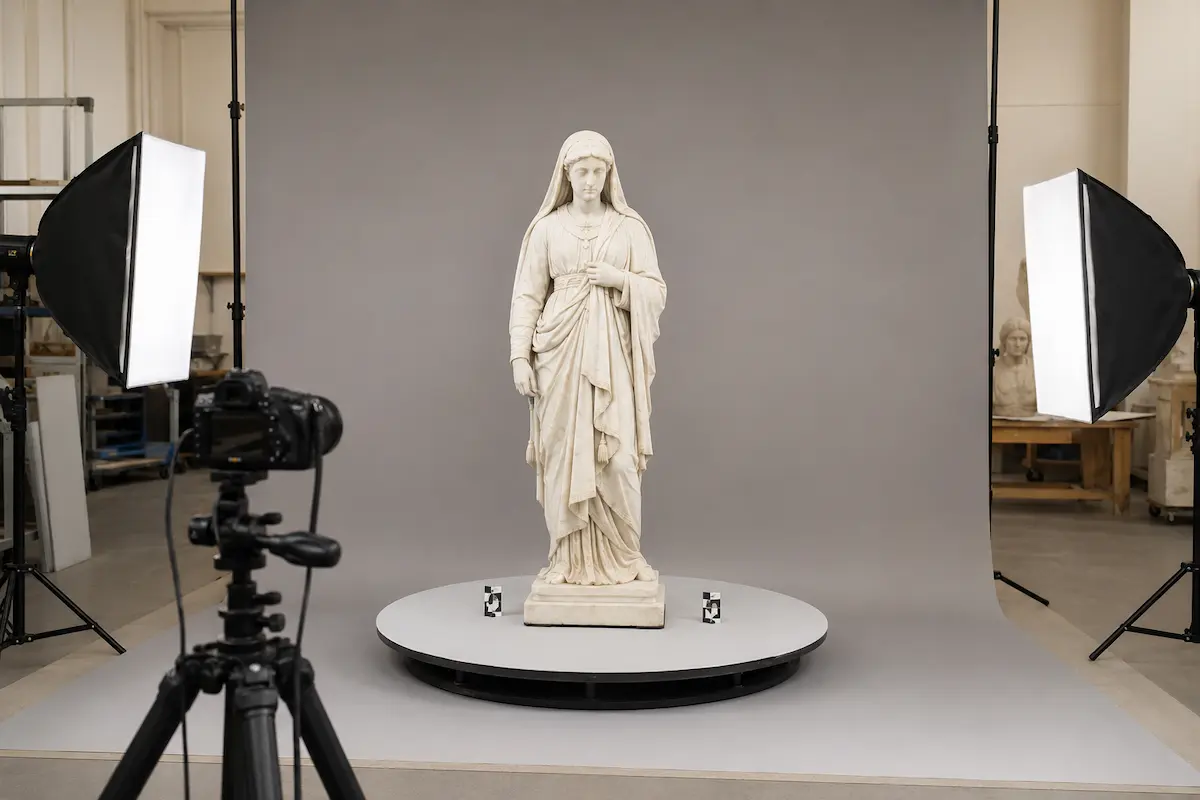 1. Photography
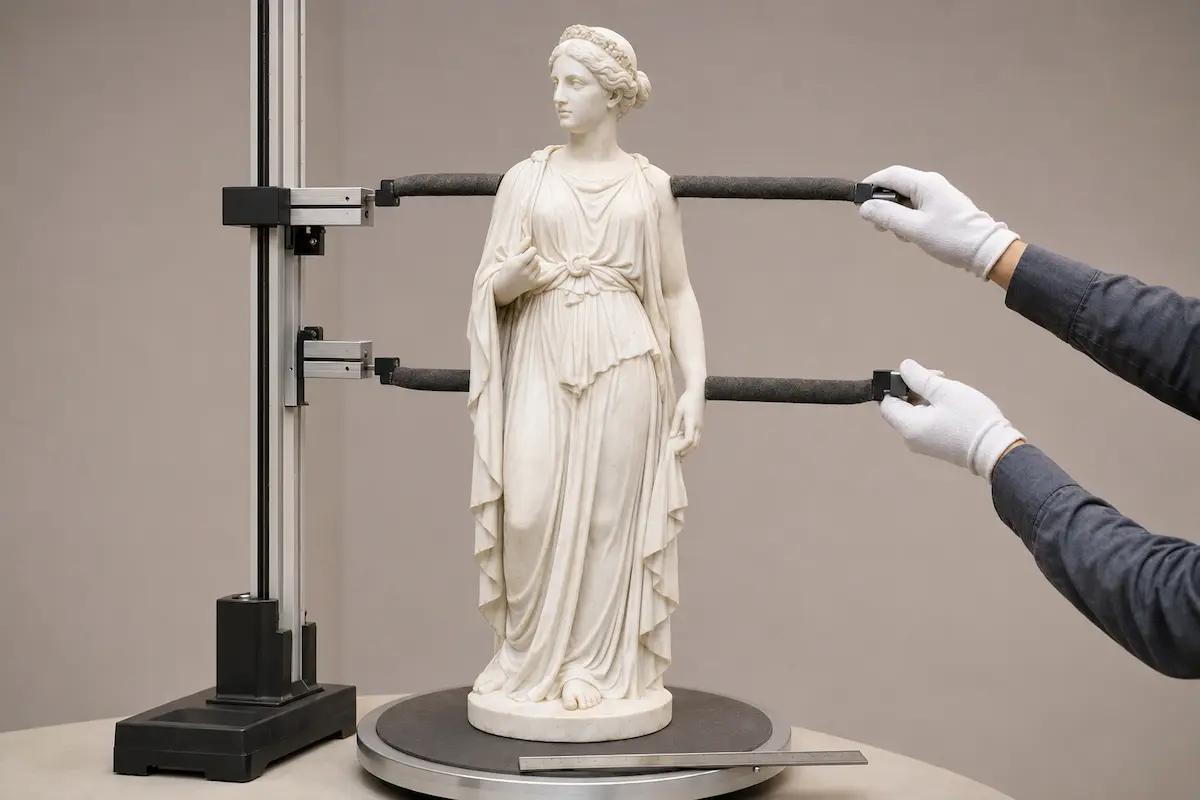 2. Measurement
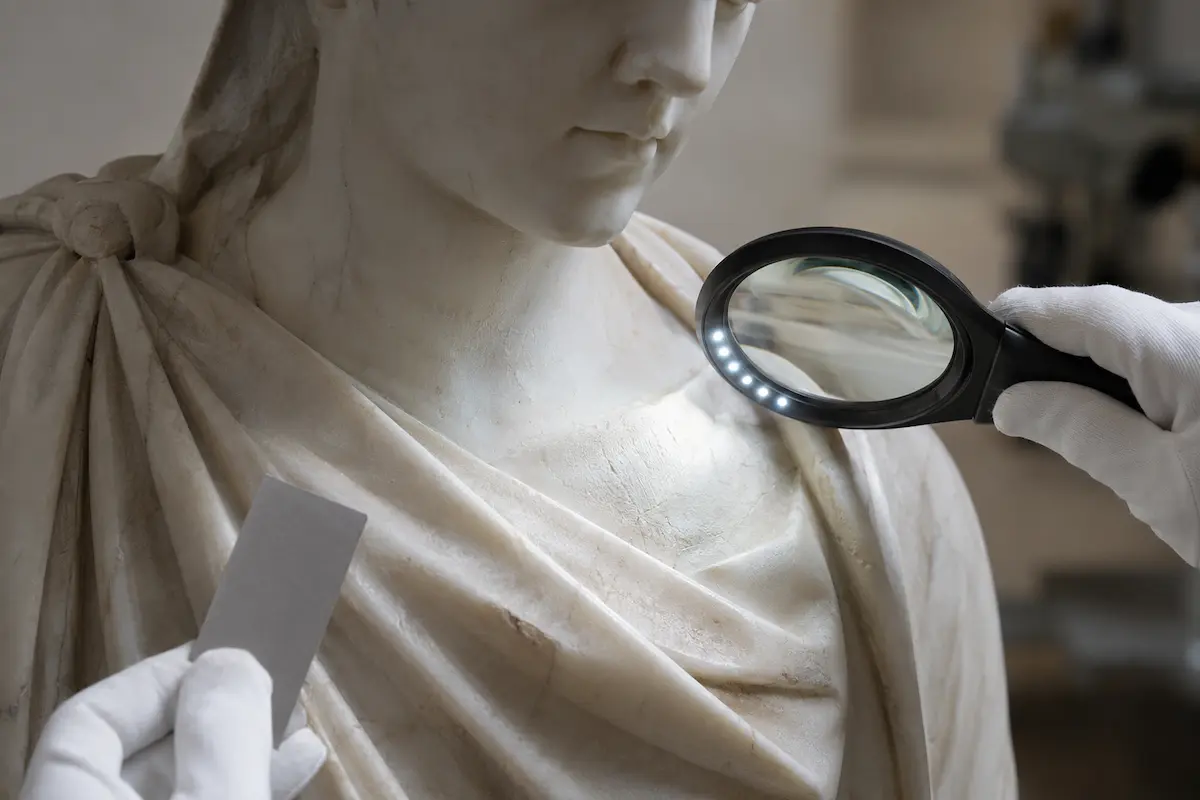 3. Surface Study
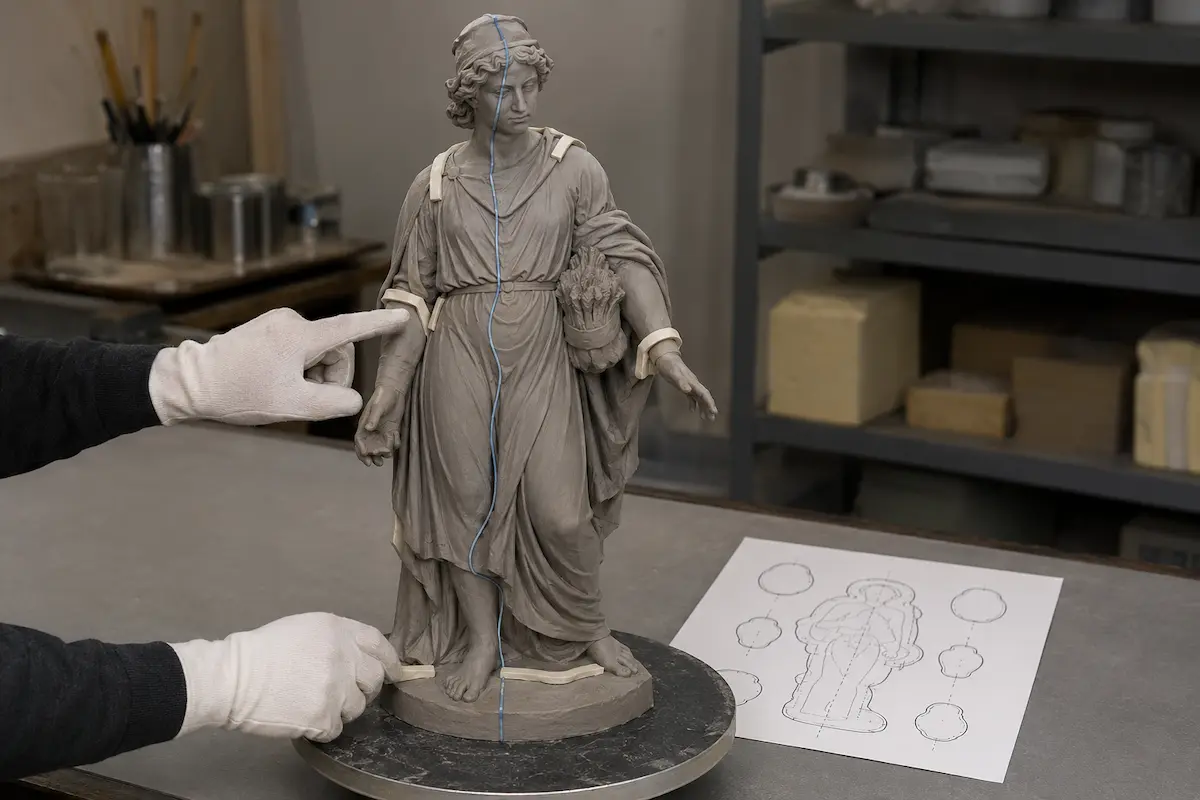 4. Mold Planning
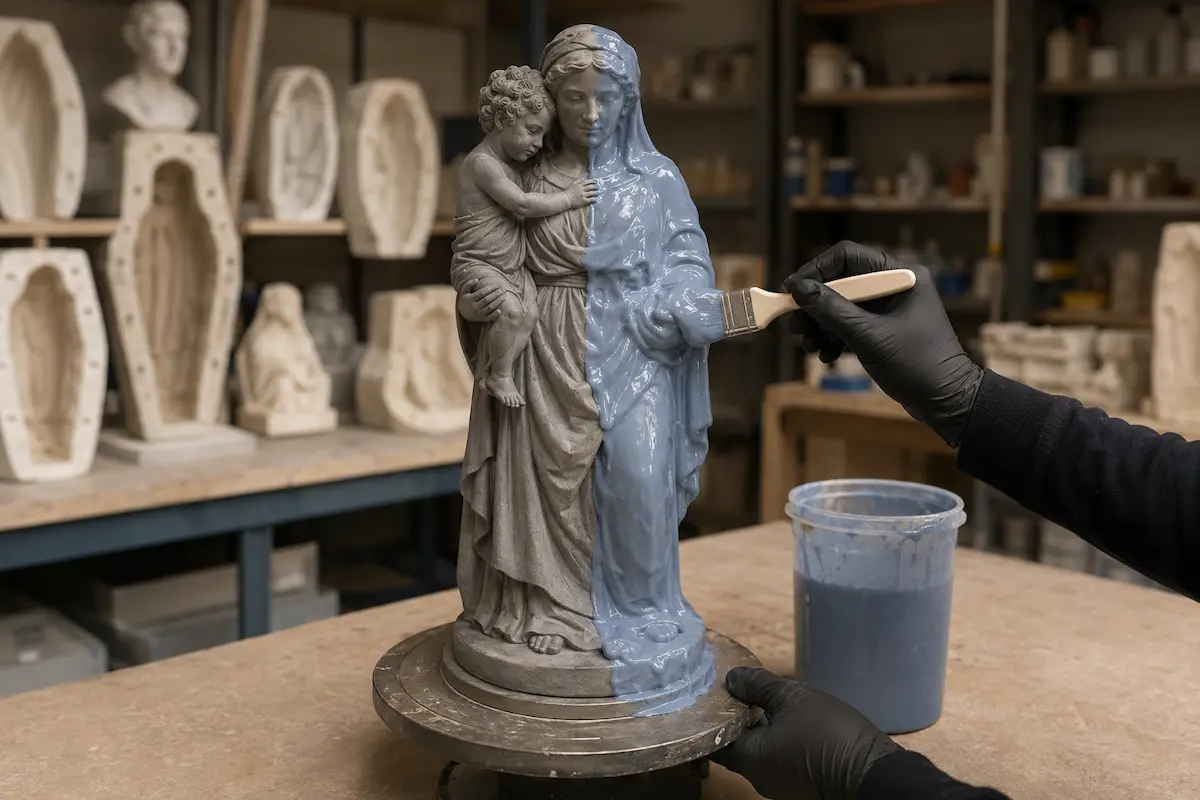 5. Mold Making
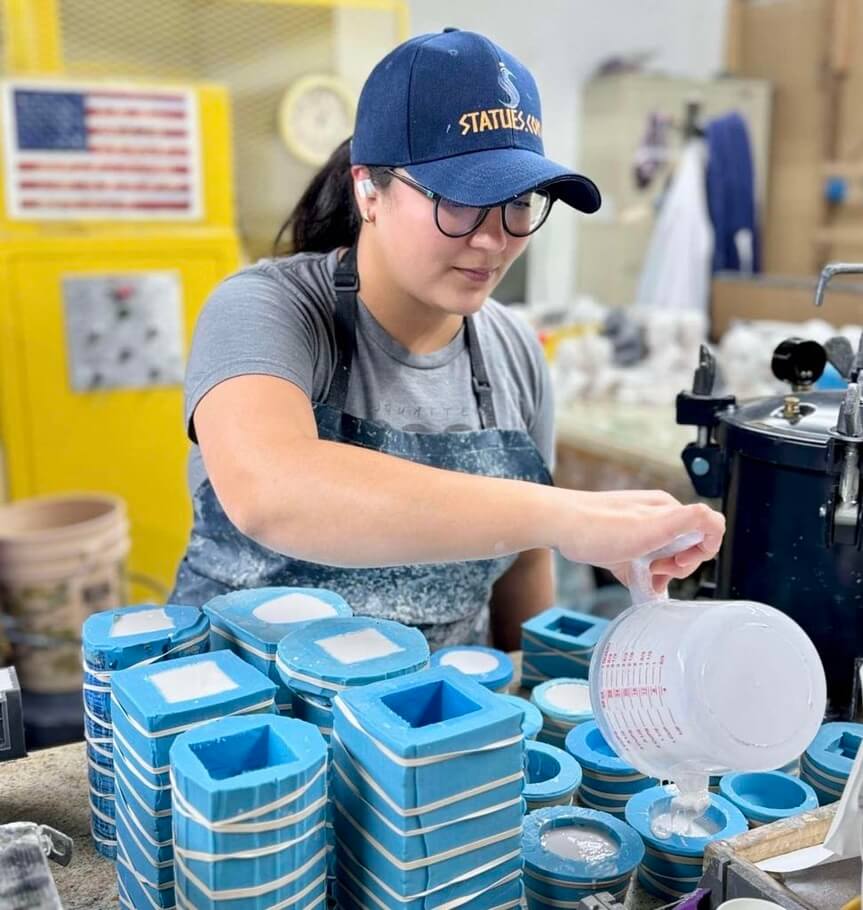 6. Casting
 7. Finishing
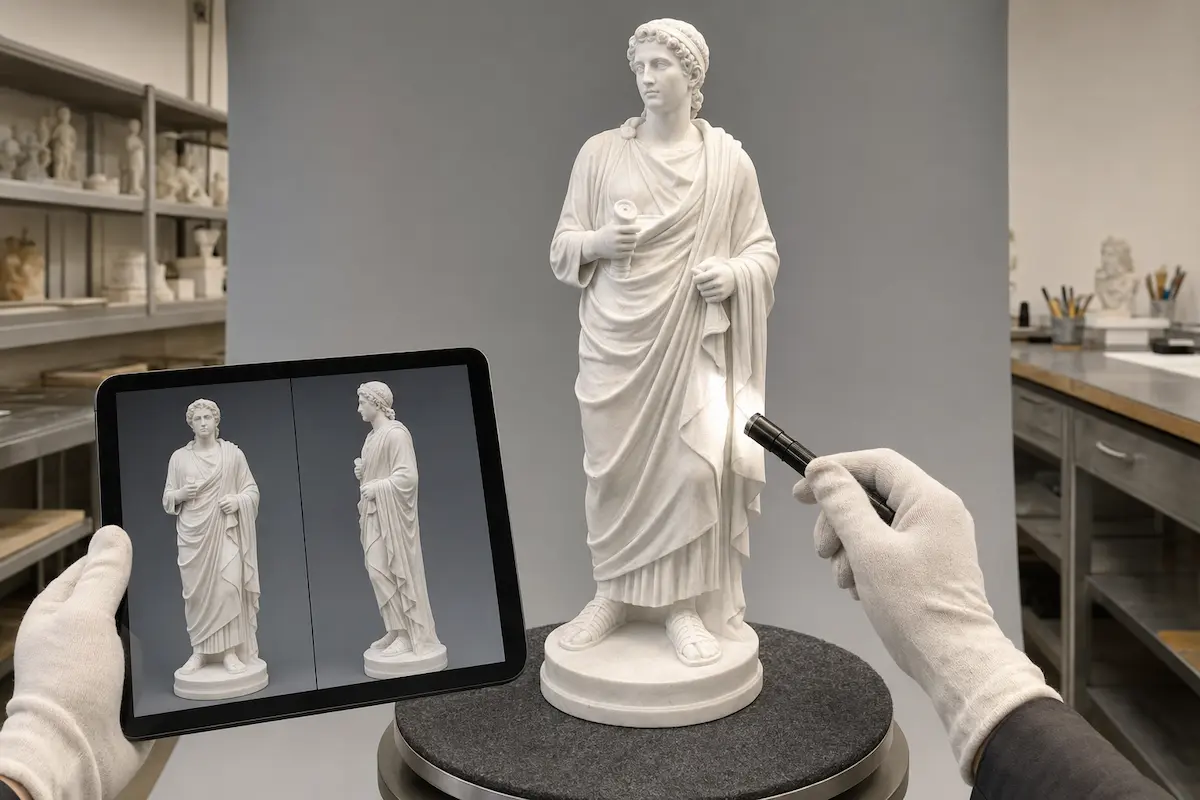 8. Review
6. Materials for Museum Replicas

Ideal for classical sculpture, white marble reproductions, and fine decorative pieces.
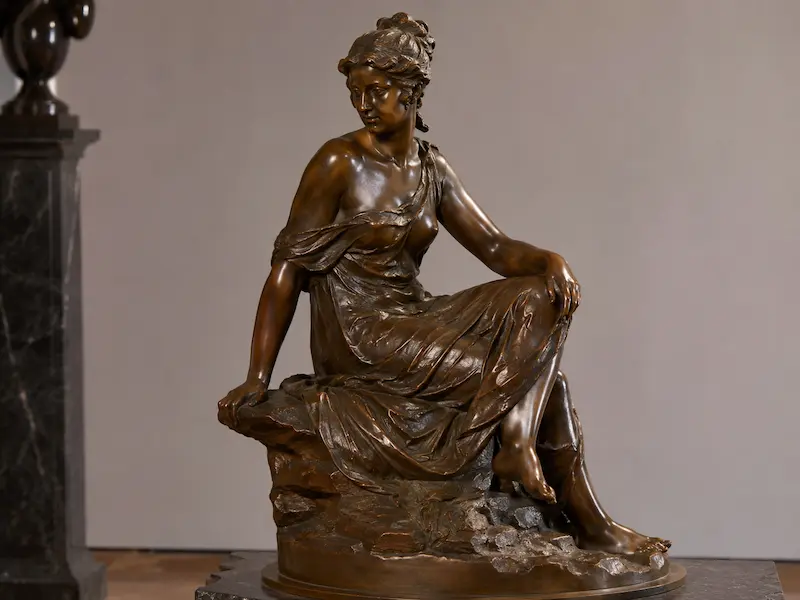
Used for permanent replicas, outdoor display, and historically significant sculpture.

Lightweight options for exhibits, handling, education, and larger display objects.
7. Finishes & Surface Matching
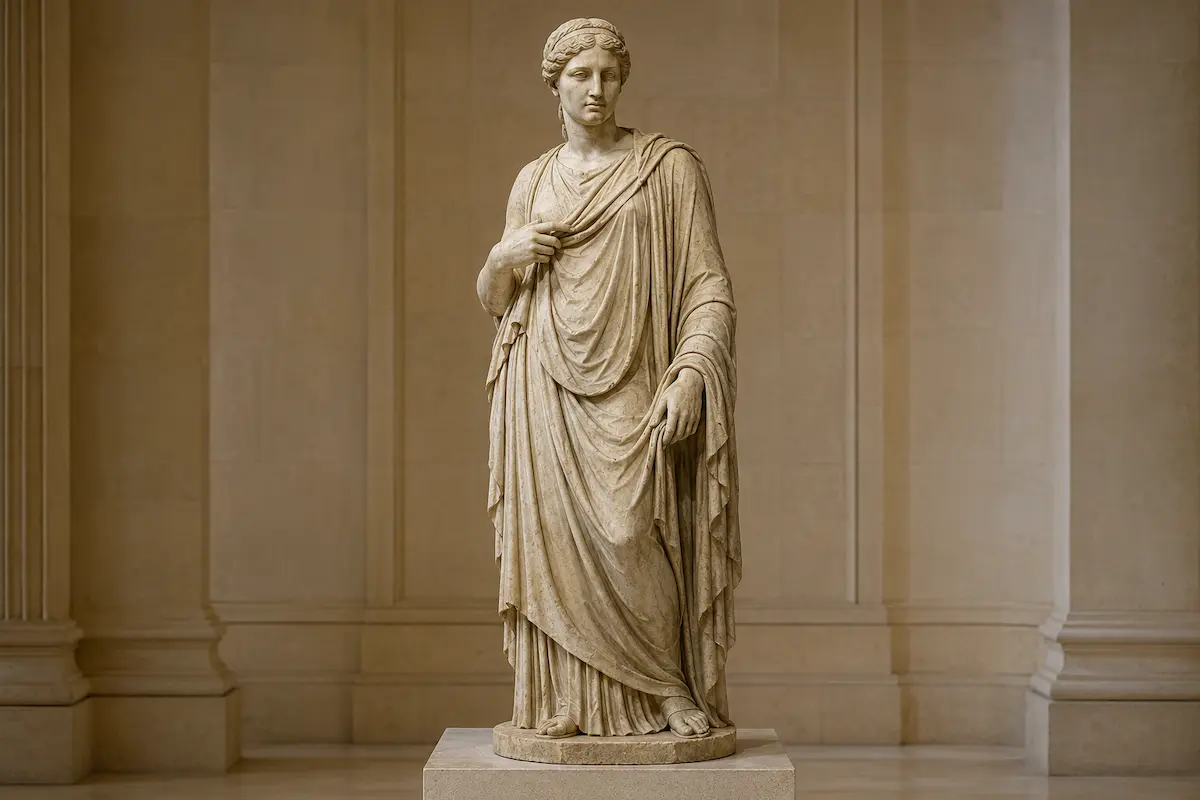
Surface finishing is essential to achieving the visual character of the original work.
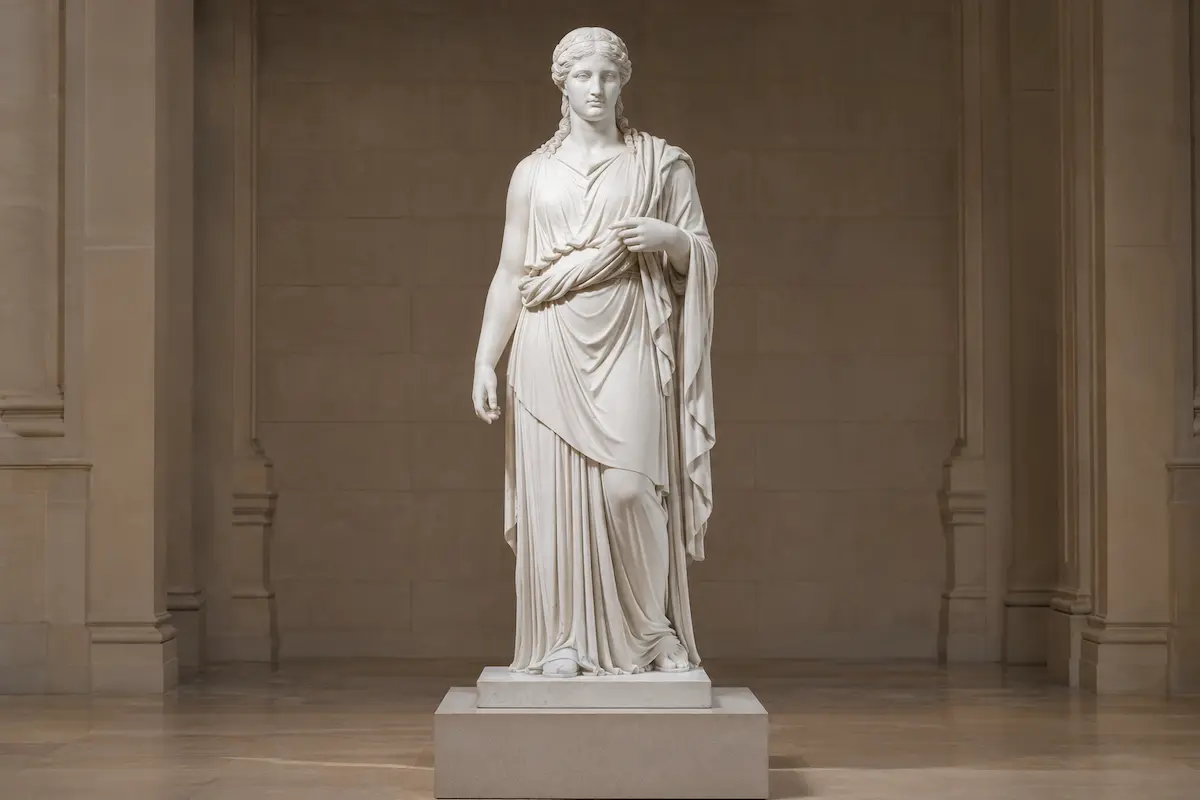 White Marble
 Antique Stone
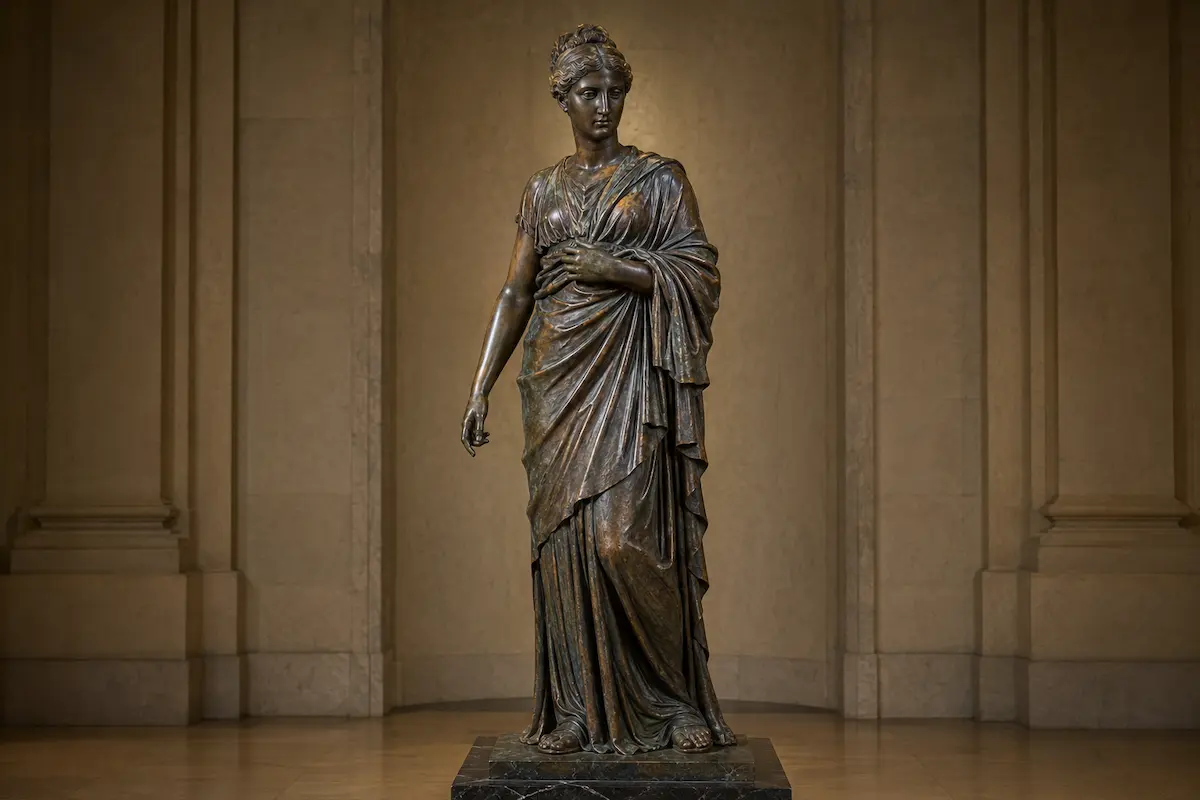 Bronze Patina
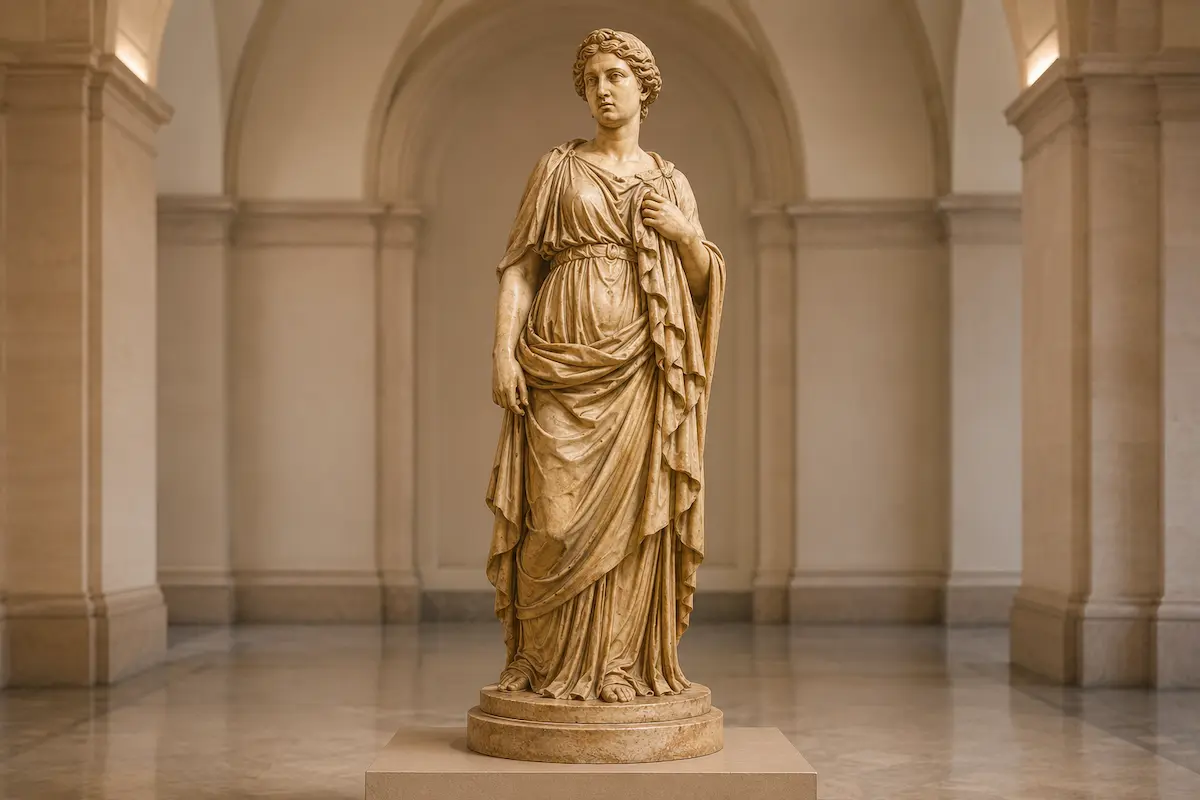 Aged Finish
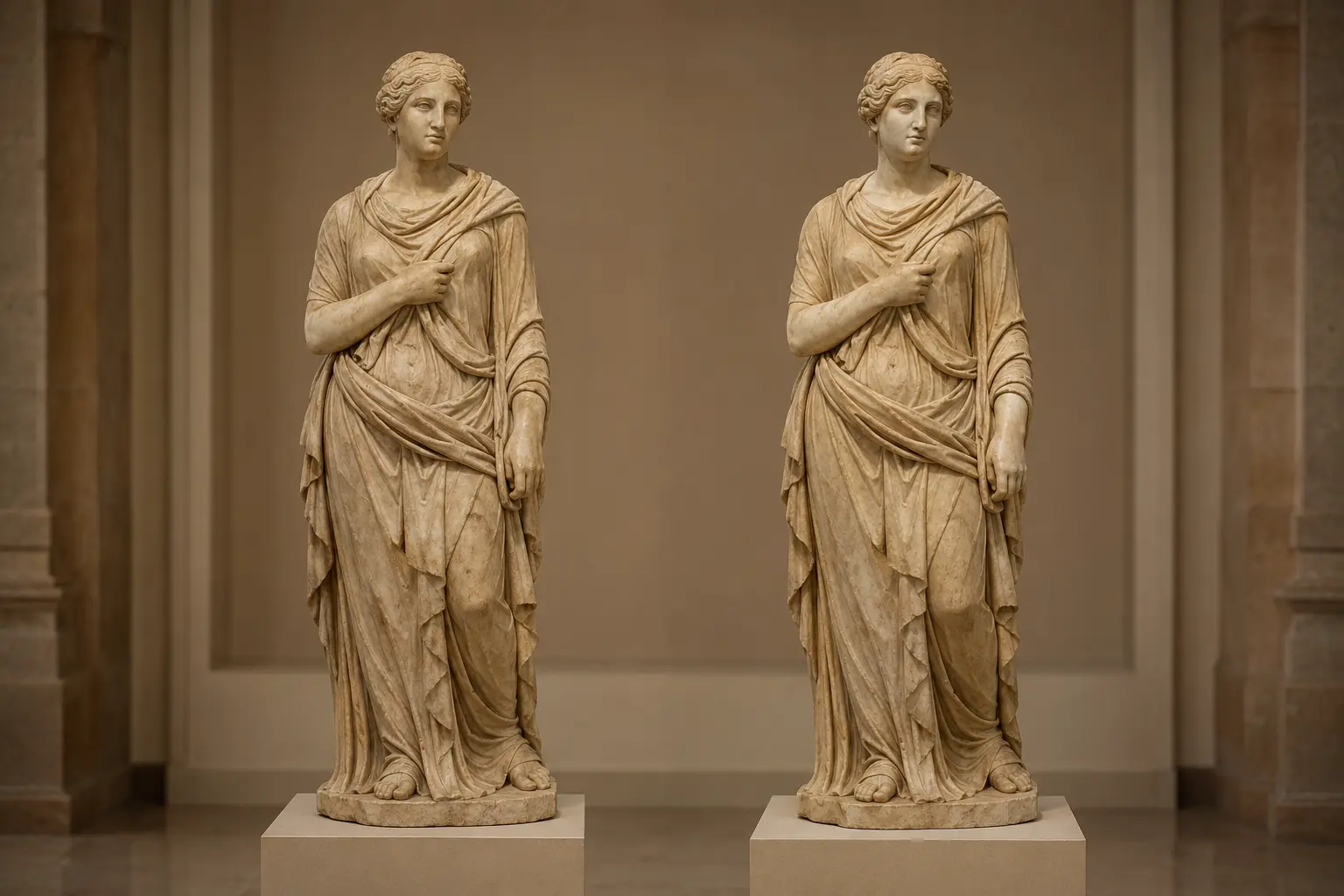 Custom Match
8. Museum Reproduction Cost Factors
Several factors influence the cost of a museum-quality reproduction.
- Size and scale
- Complexity of surface detail
- Mold making requirements
- Material selection
- Finish matching
- Packing, shipping, and installation
9. Reproduction Methods
Different sculpture replication methods are used depending on access, accuracy needs, and conservation concerns.
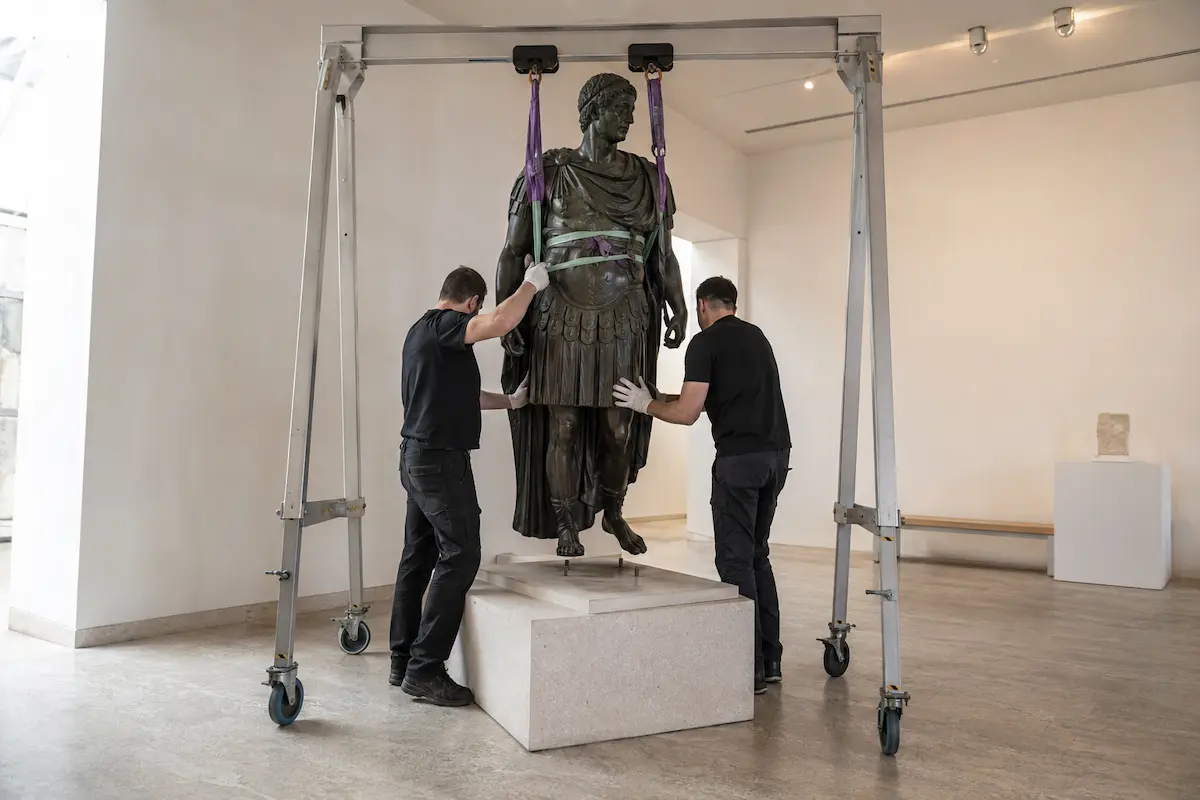
10. Display & Installation
- Pedestal and mount requirements
- Wall mounting or exhibit integration
- Lighting and visibility planning
- Public handling considerations
- Long-term display stability
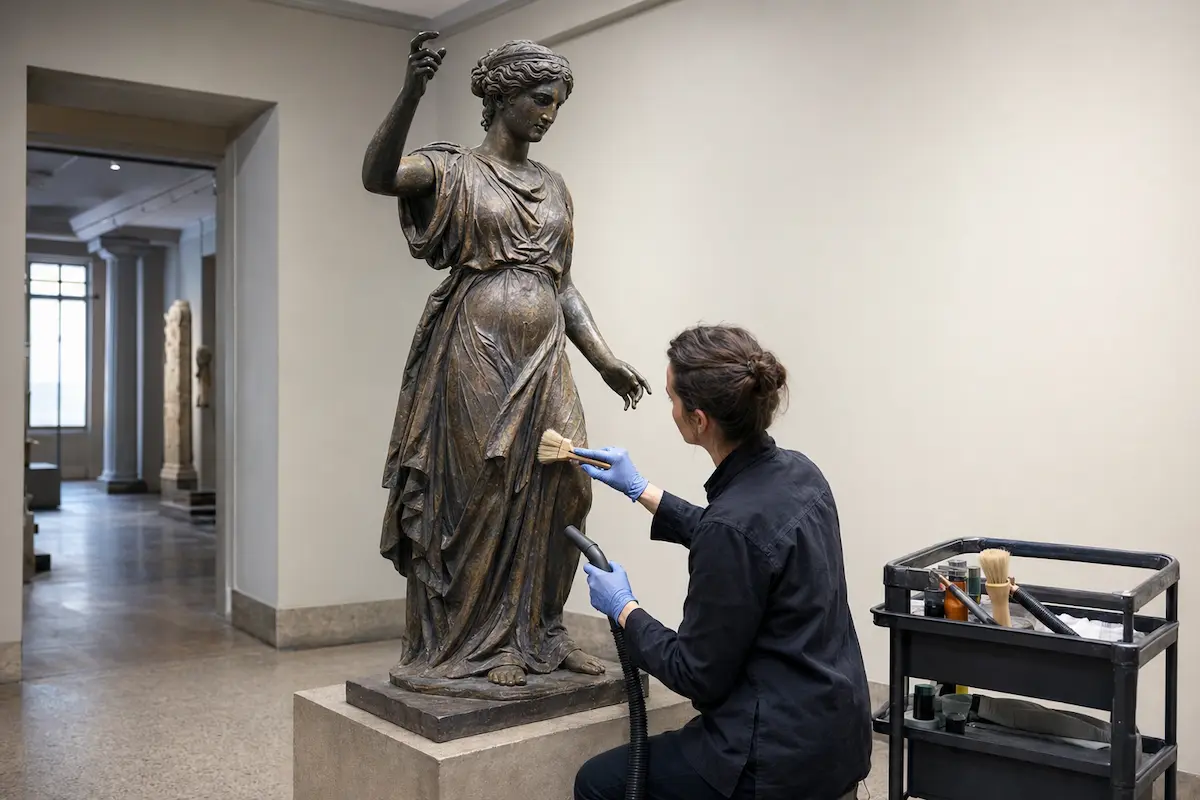
11. Preservation & Care
- Routine dusting and cleaning
- Surface protection
- Humidity and environmental control
- Repair and touch-up planning
- Long-term collection care
12. Statues.com Insight
A Reproduction Is a Bridge Between Past and Present
The strongest museum reproductions do more than copy an object. They preserve access, protect originals, support education, and keep important works visible for future generations.
— The Statues.com Team
13. Common Mistakes to Avoid
- Using poor reference documentation
- Ignoring conservation limitations
- Choosing the wrong reproduction material
- Underestimating surface finishing
- Failing to plan packing and transport
14. Frequently Asked Questions
Click a question to view a clear answer about museum reproduction planning, materials, accuracy, and production.
Ready to Create a Museum Reproduction?
Whether you are reproducing a classical sculpture, historical artifact, relief panel, architectural element, or educational display object, our team can help guide the project from documentation through completion.
Mold Making vs. 3D Scanning
Mold making captures a direct negative impression of the object and can preserve extremely fine surface detail. It is often efficient when multiple casts are required, but direct contact should be used only when the original is stable and the process has conservation approval.
3D scanning documents form without applying molding materials to the original. It is valuable for fragile, inaccessible, oversized, or conservation-sensitive objects and allows digital repair or scale changes. The scan data must still be processed and converted into a physical master before casting. Many projects use both methods.
Hand Finishing vs. Digital Output
Digital output produces the physical form from approved digital data through processes such as 3D printing or CNC machining. It is useful for scale changes, reconstruction, precise repeatability, and creating a master pattern.
Hand finishing refines seams, details, texture, color, patina, and surface character after fabrication or casting. These methods are not true substitutes: digital production establishes the form, while skilled hand finishing gives the reproduction its final visual authenticity. High-quality museum work often requires both.
Display Copy vs. Handling Copy
A display copy prioritizes visual fidelity, accurate color and texture, stable mounting, and appearance under exhibition lighting. It may be installed on a pedestal, wall system, or permanent exhibit mount and is normally protected from frequent physical contact.
A handling copy is designed for education, accessibility, demonstrations, or visitor interaction. It generally requires lighter weight, reinforced construction, rounded or protected vulnerable details, durable coatings, and finishes that can tolerate repeated cleaning. Intended use should be defined before material and construction decisions are made.
What is a museum reproduction?
A museum reproduction is a carefully produced copy of an original sculpture, artifact, relief, architectural feature, or historical object. It may be created for exhibition, education, research, accessibility, preservation, or replacement of an original that cannot be placed on public display. Museum-quality work aims to reproduce the original form, scale, surface detail, color, and visual character as faithfully as the project allows.
Can an artifact be reproduced without touching it?
Yes. Non-contact methods such as structured-light scanning, laser scanning, and photogrammetry can document an object without applying molding materials to its surface. The best method depends on the object’s size, reflectivity, accessibility, surface complexity, and the level of accuracy required. Conservation staff should review and approve the documentation process before work begins.
What materials are used for replicas?
Common materials include bronze, bonded marble, resin, fiberglass, plaster, cast stone, and other specialized casting systems. Selection depends on whether the replica will be displayed indoors or outdoors, handled by visitors, transported frequently, permanently installed, or required to match a particular historic surface. Structure, weight, durability, finish, maintenance, and budget should all be evaluated together.
How accurate can a reproduction be?
A well-documented reproduction can achieve a very high level of dimensional and visual accuracy. Final fidelity depends on access to the original, the quality of photography or scan data, the molding or digital process, casting tolerances, scale changes, and the skill used in assembly and finishing. Accuracy standards and acceptable tolerances should be defined and approved at the beginning of the project.
Can marble sculptures be reproduced?
Yes. When direct molding is safe and approved, a properly designed mold can capture the sculpture’s surface detail. Fragile or highly valuable marble may instead be documented with non-contact scanning or photogrammetry. The reproduction can then be produced in bonded marble, resin, plaster, cast stone, bronze, or another suitable material and custom finished to reflect the appearance of the original.
Can reproductions be used outdoors?
Yes, provided the material, internal structure, finish, mounting system, and maintenance plan are designed for the specific environment. Bronze, cast stone, and properly engineered fiberglass or resin systems can be appropriate for exterior display. Climate, ultraviolet exposure, moisture, freeze-thaw cycles, wind loads, public access, and installation requirements must be considered before production.
How long does reproduction take?
Timelines vary from several weeks for a small, straightforward cast to many months for a large, fragile, highly detailed, or conservation-sensitive project. Documentation, permissions, digital preparation, mold making, casting, assembly, finish approvals, crating, shipping, and installation all affect the schedule. A reliable timeline can be established only after the original object and project requirements are reviewed.
Can surface color be matched?
Yes. Artists can use approved photographs, physical samples, color references, layered stains, glazes, paints, metallic finishes, and patinas to closely match the original surface. Because lighting, age, material absorption, and monitor settings affect perceived color, physical finish samples or an approved prototype provide a more reliable standard than photographs alone.
Are molds safe for original objects?
Molding can be safe for stable objects when the process is designed and approved by qualified conservation professionals. Surface condition, porosity, previous repairs, coatings, undercuts, release systems, and molding materials must be evaluated first. If direct contact presents any unacceptable risk, non-contact scanning or photogrammetry should be used instead.
Can multiple copies be produced?
Yes. A reusable production mold or approved digital master can support multiple casts, provided the object’s ownership, copyright, licensing, edition limits, and reproduction permissions have been resolved. Edition size, numbering, materials, finish standards, quality-control procedures, and future mold storage should be documented before production begins.