
The Complete
Religious Statue Guide
Everything you need to know about religious statues, including sacred design, materials, commissioning, finishes, placement, maintenance, and long-term devotional value.
1. What Is a Religious Statue?
A religious statue is a sacred sculptural work created to honor a figure, devotion, tradition, or spiritual story. These works may be placed in churches, chapels, schools, shrines, cemeteries, gardens, and private devotional spaces.
Religious sculpture is designed not only for beauty, but also for reverence, meaning, prayer, and long-term spiritual presence.
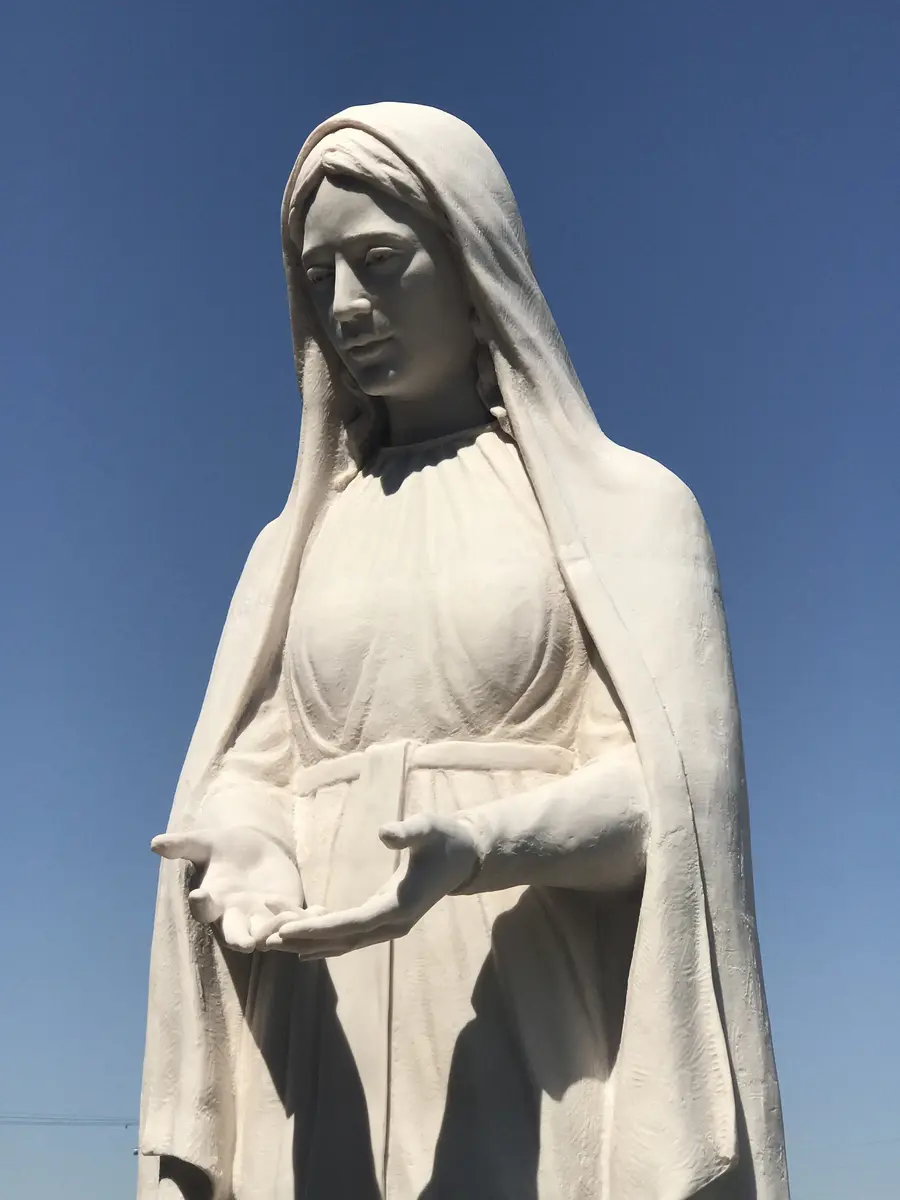
2. Why Commission Religious Sculpture?
Creates a focal point for prayer and reflection.
Enhances churches, chapels, and holy spaces.
Communicates faith, tradition, and symbolism.
Built to serve generations of worshippers.
Combines artistic craftsmanship with sacred purpose.
Created for indoor or outdoor devotional use.
3. Types of Religious Statue Projects
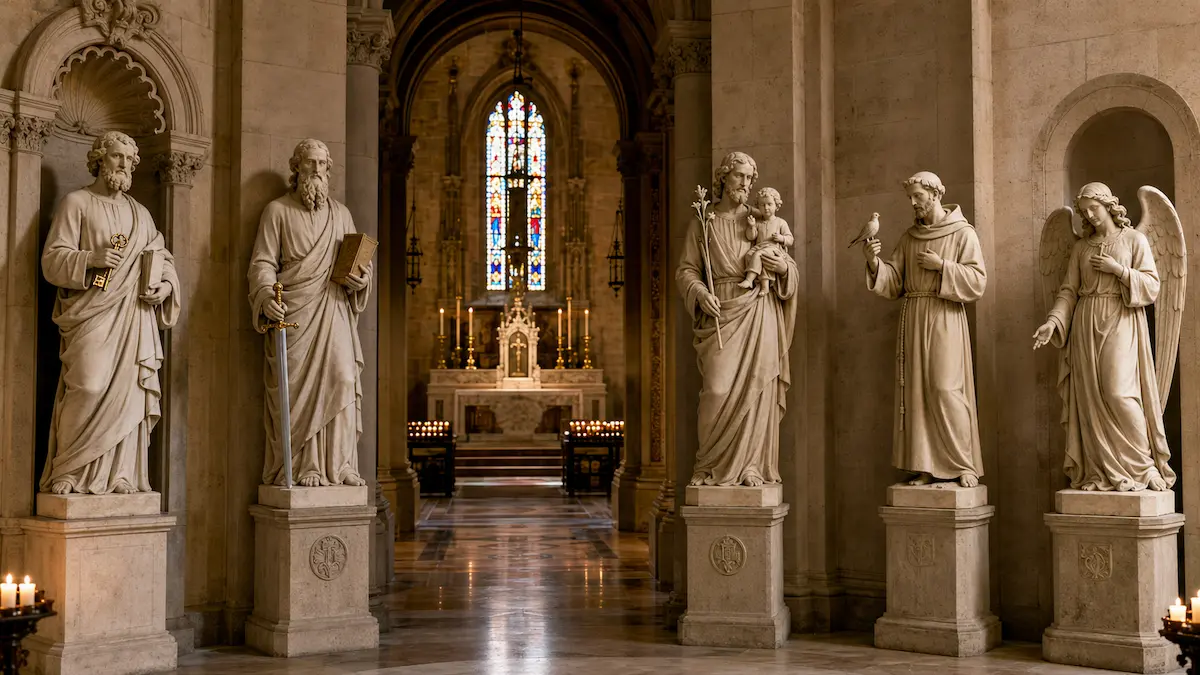 Church
Statues
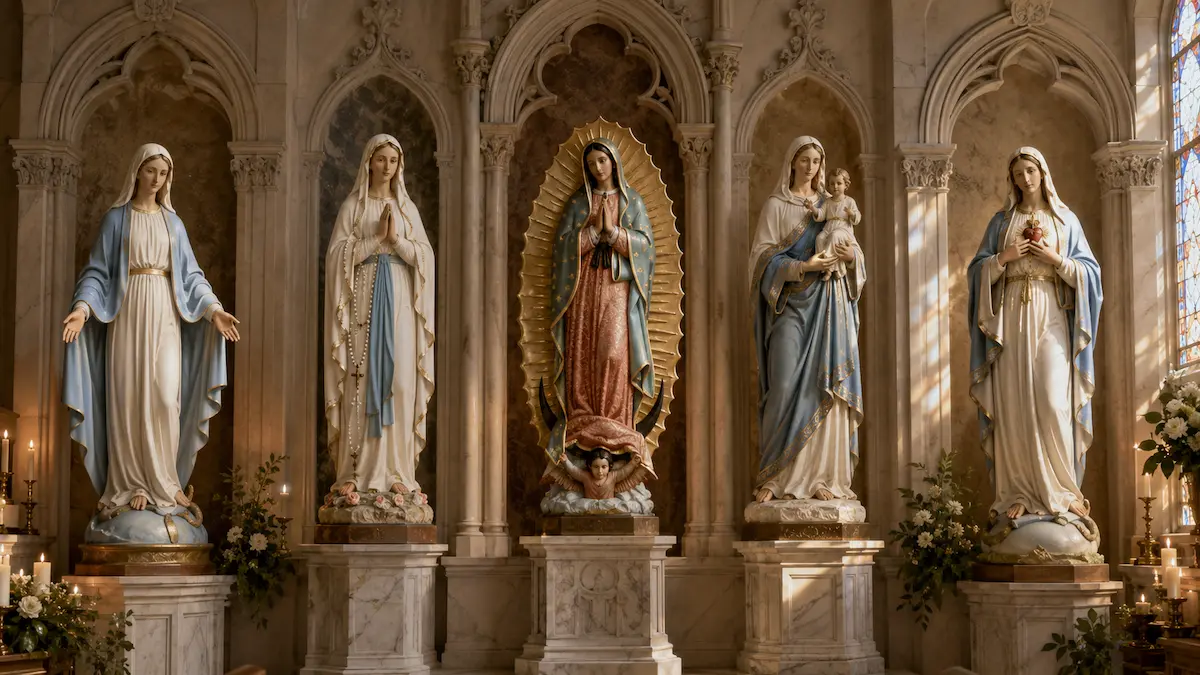 Mary
Mary Statues
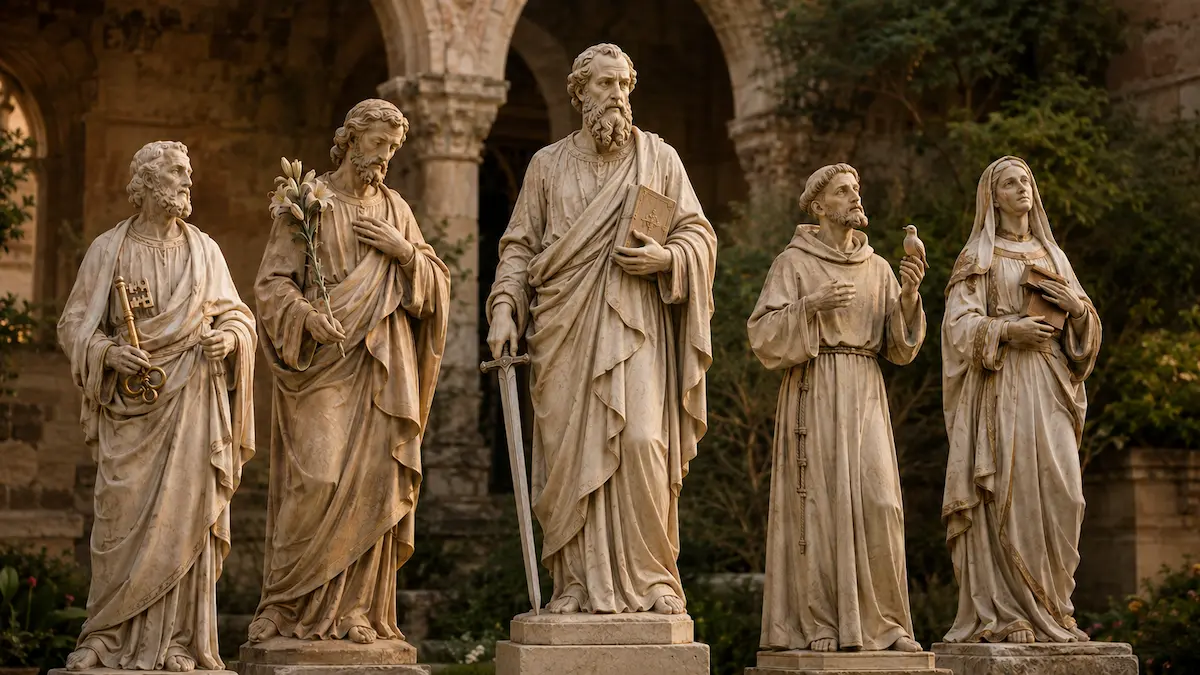 Saint
SaintStatues
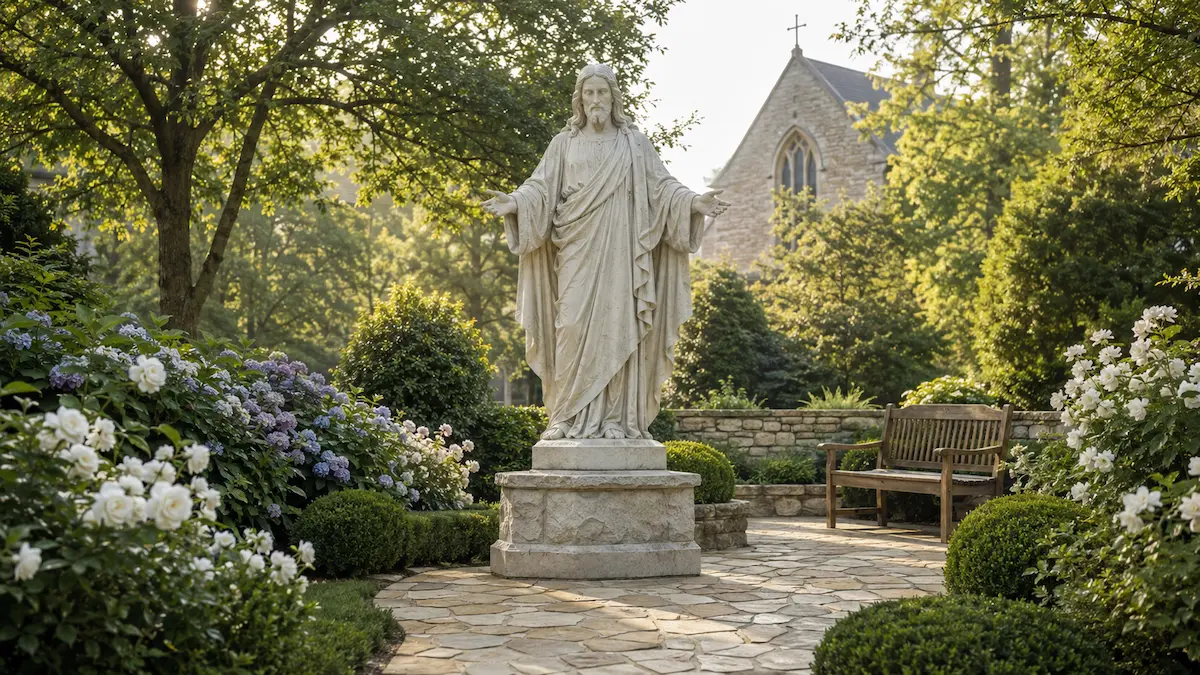 Prayer Garden
Sculpture
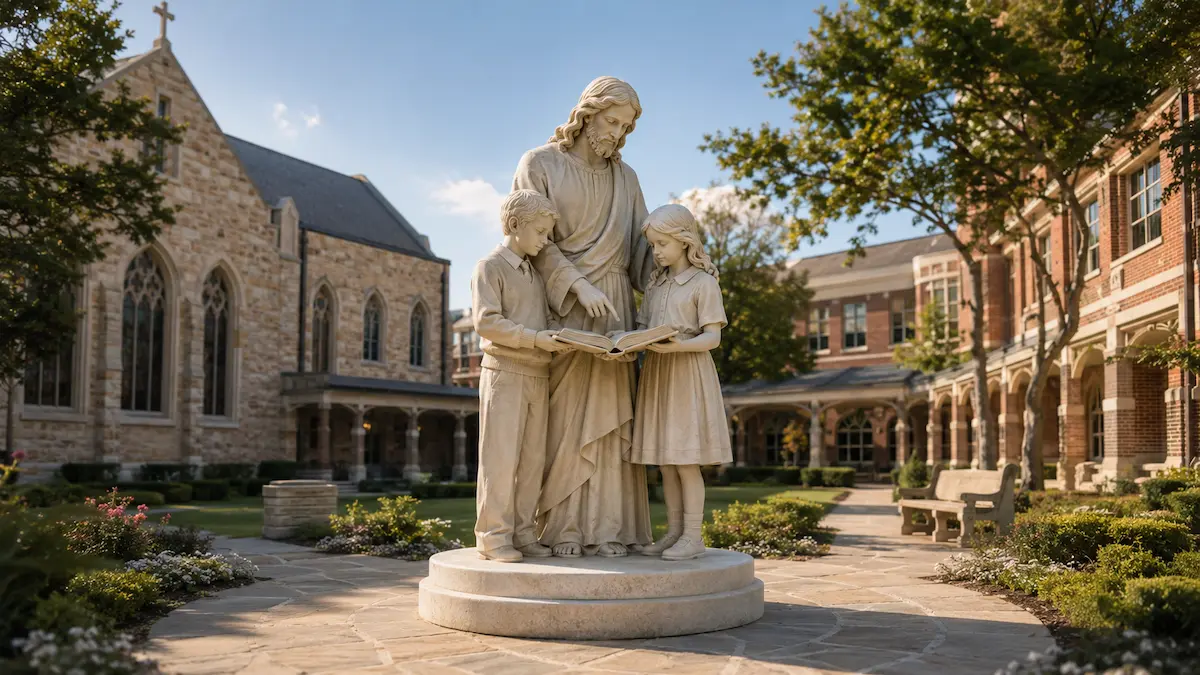 School & Chapel
Statues
 Memorial
Religious Art
4. The Religious Statue Process
5. Sacred Design & Symbolism
Religious statues require careful attention to posture, expression, garments, gestures, iconography, and spiritual meaning.
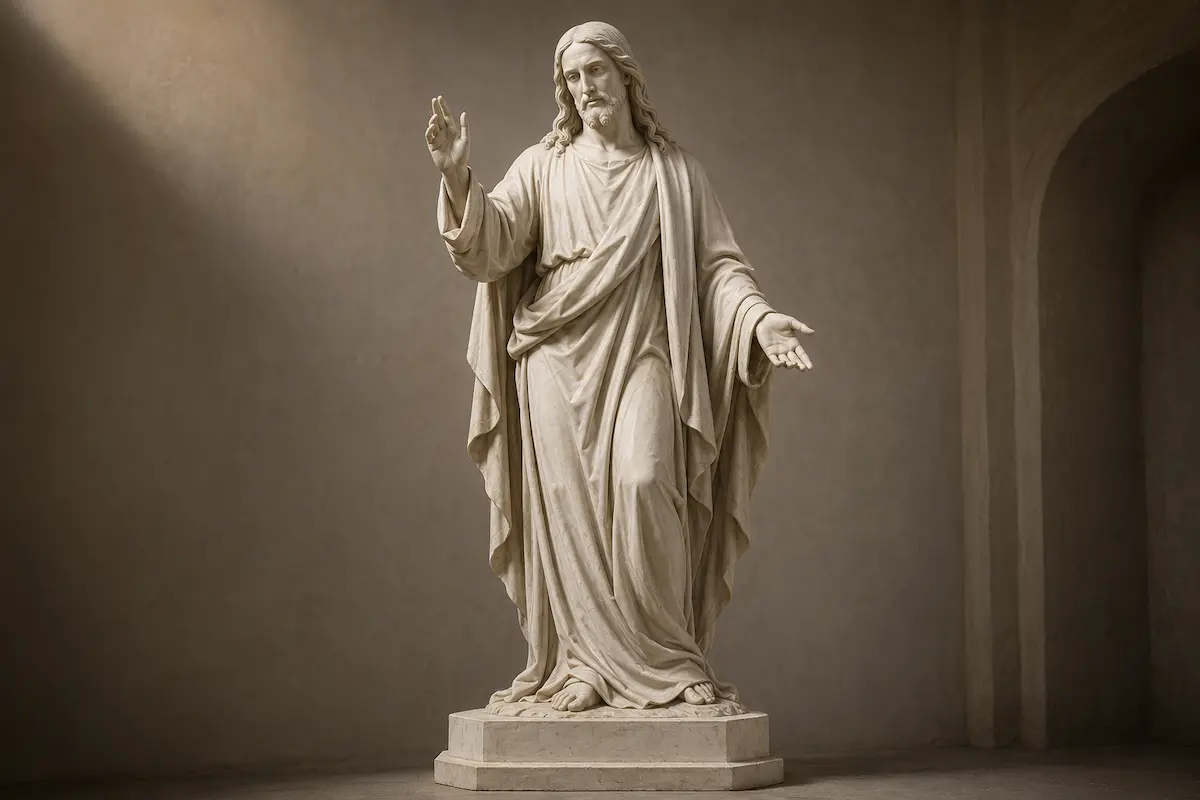 1. Pose
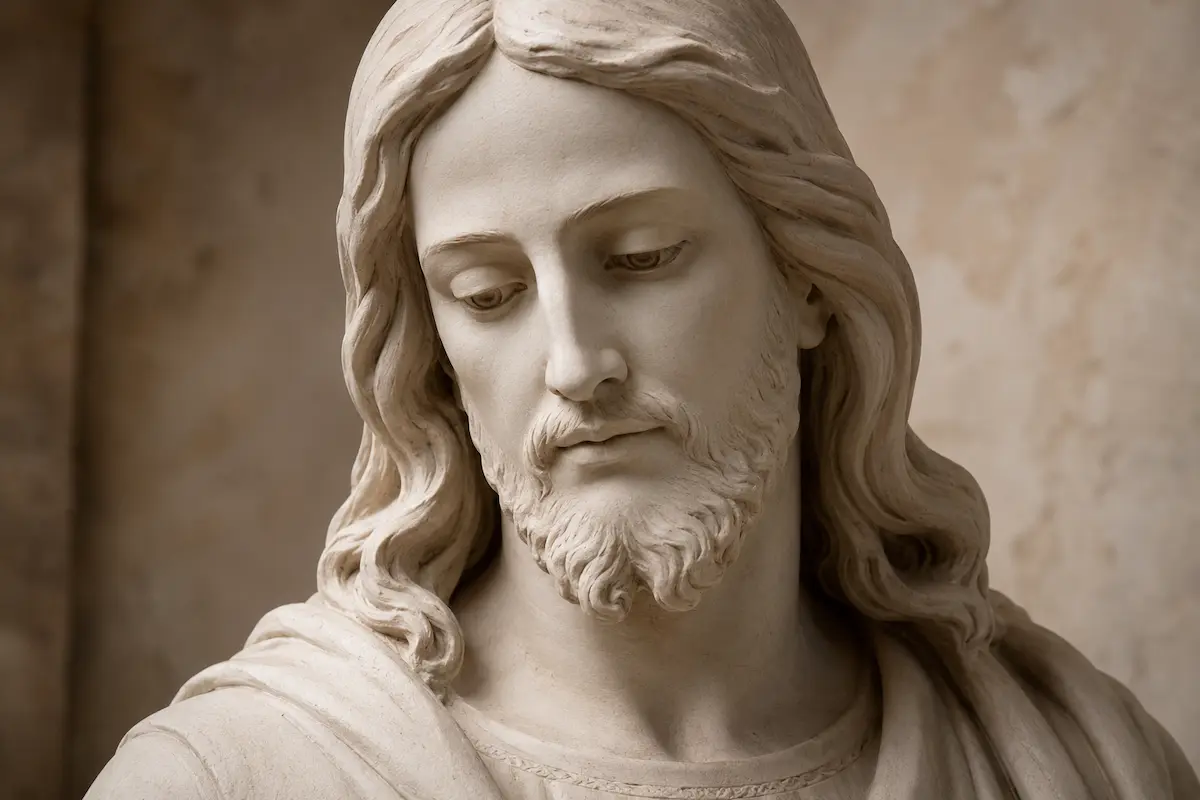 2. Expression
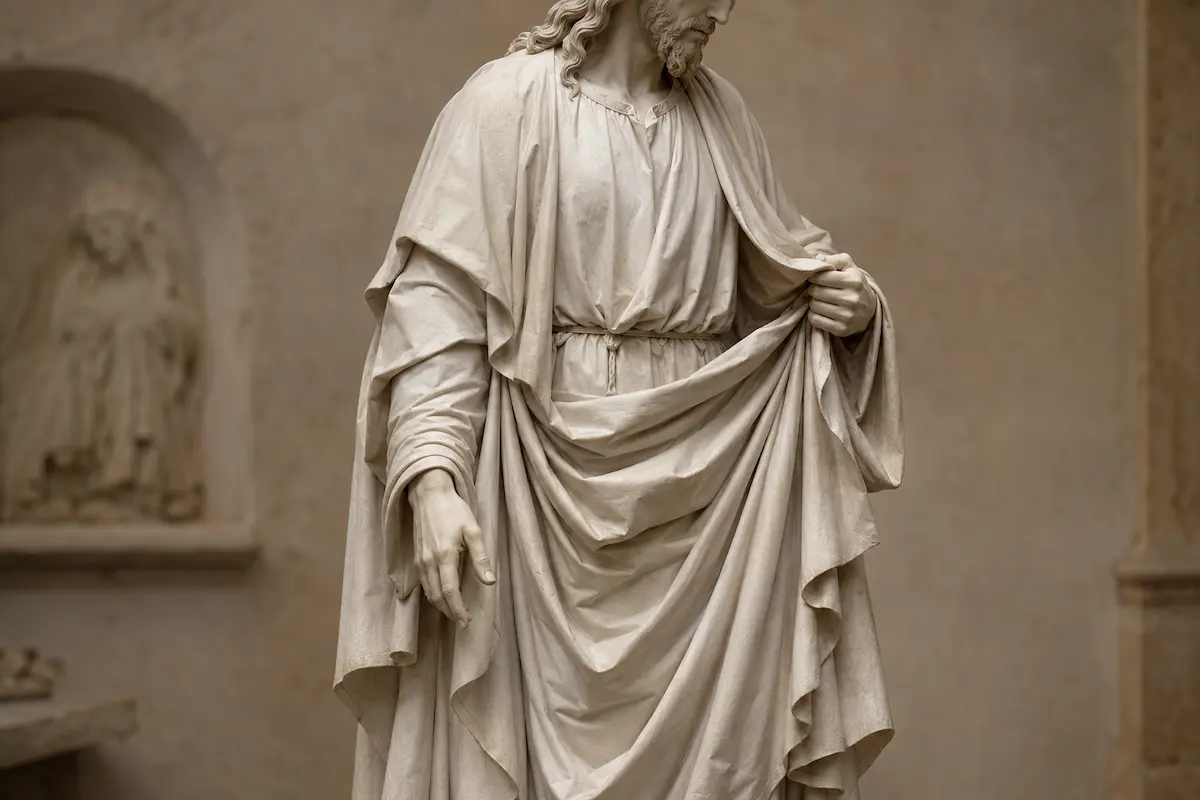 3. Garments
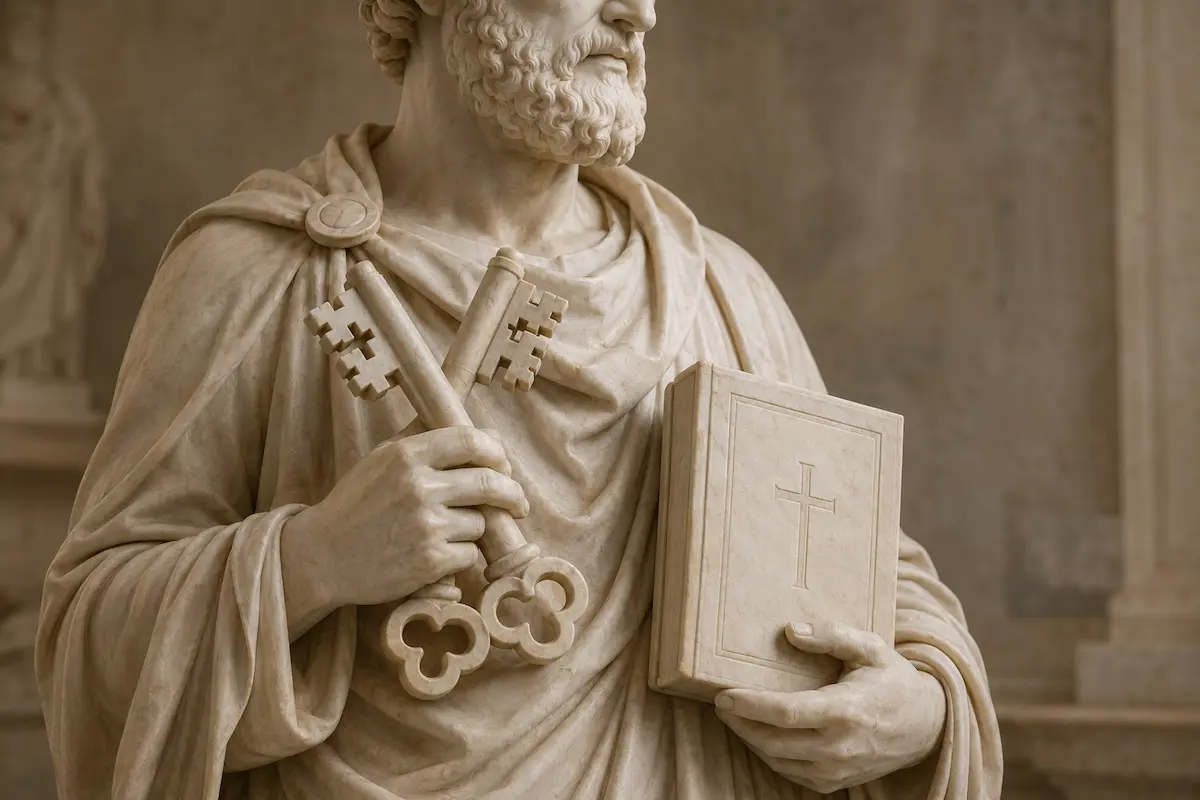 4. Symbols
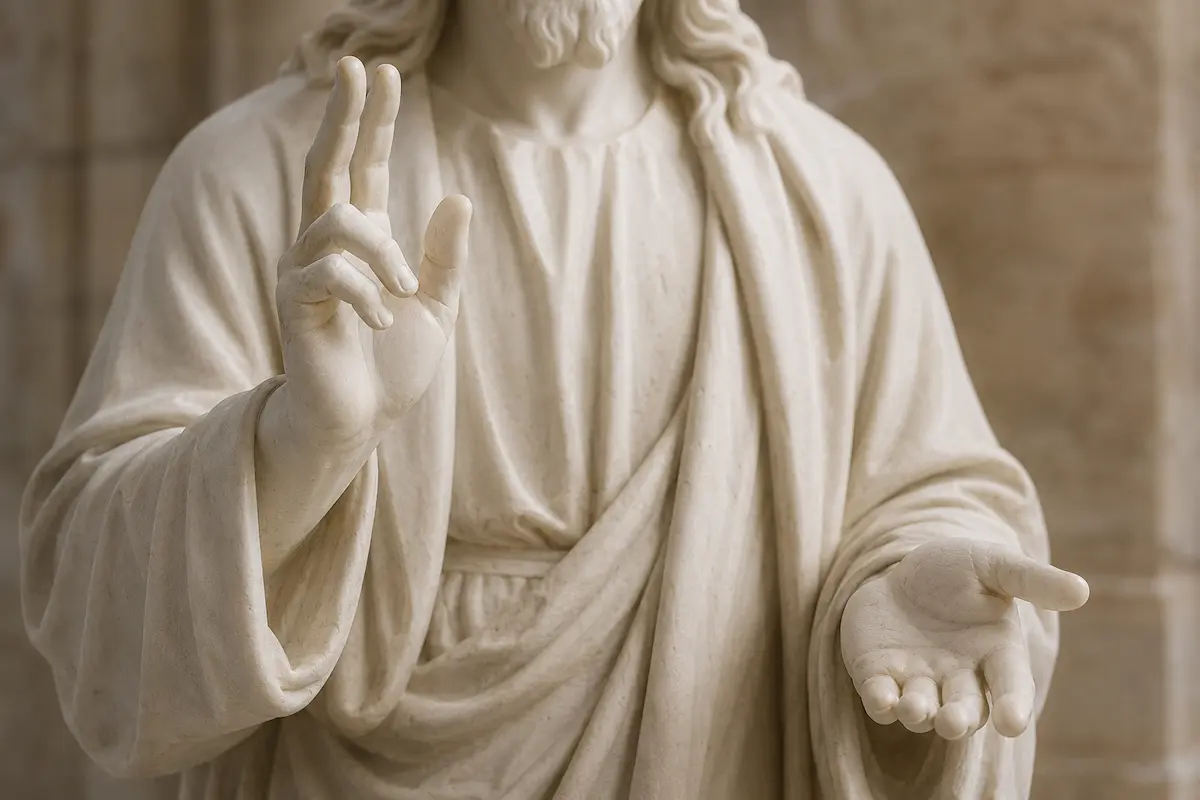 5. Hands
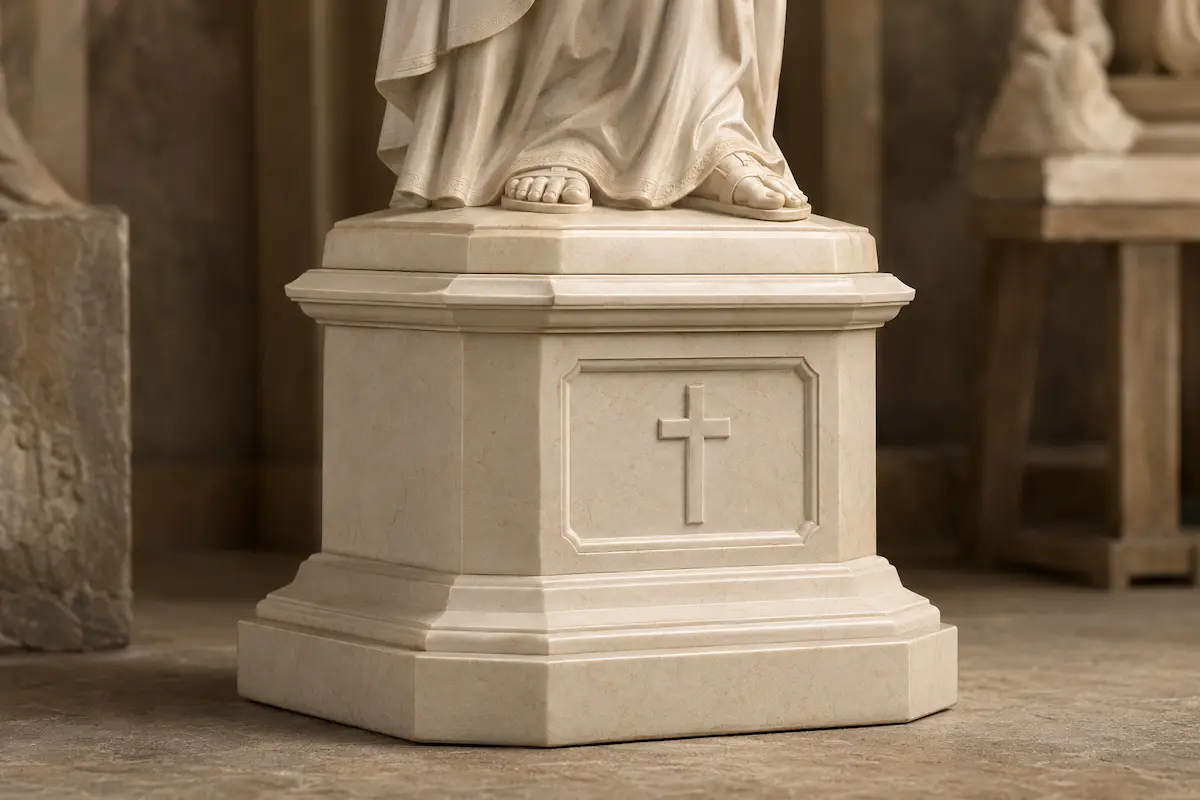 6. Base
 7. Finish
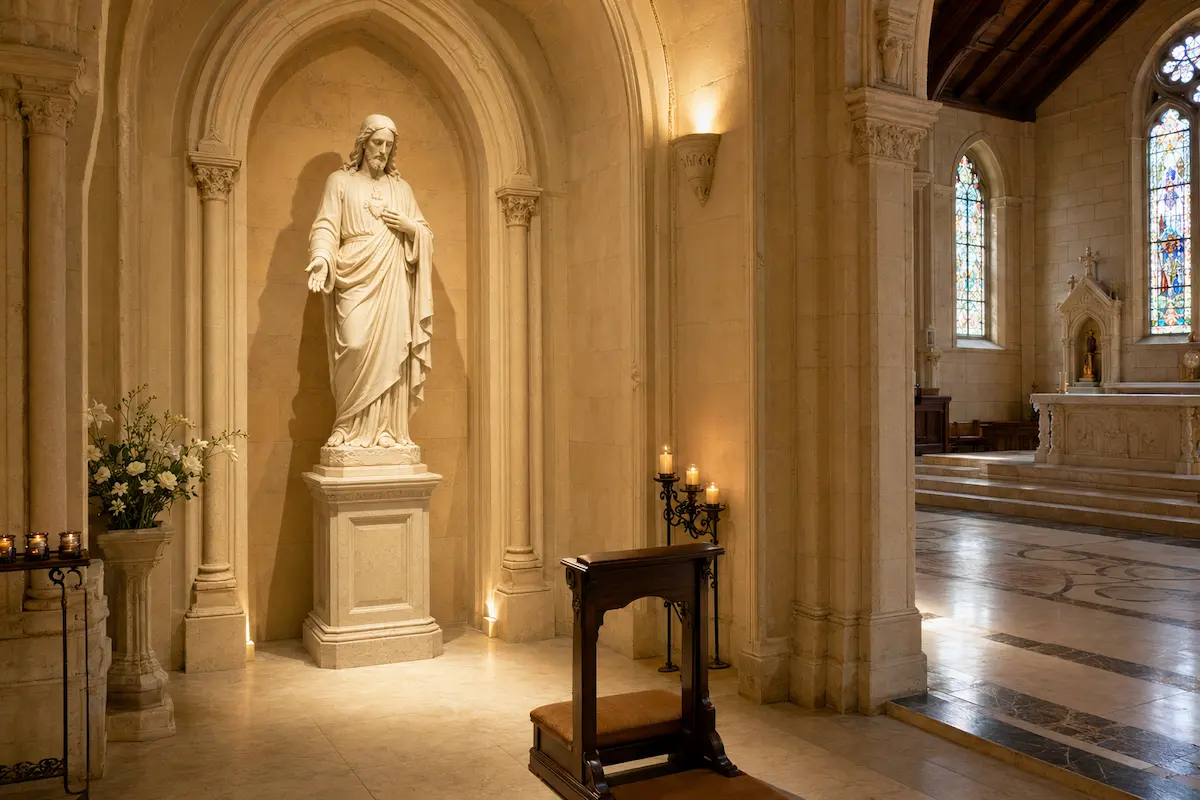 8. Placement
6. Materials for Religious Statues
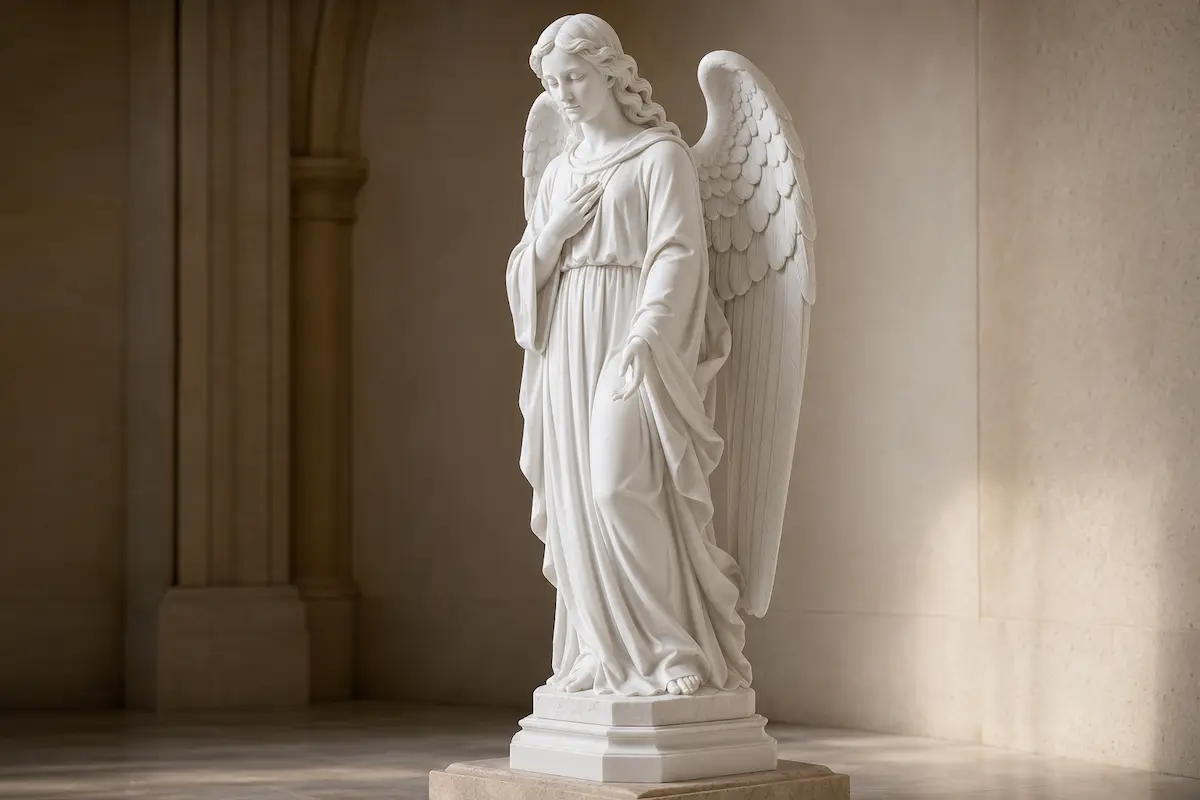
Elegant white marble appearance for churches, chapels, and interiors.

Permanent, prestigious, and ideal for outdoor devotional monuments.
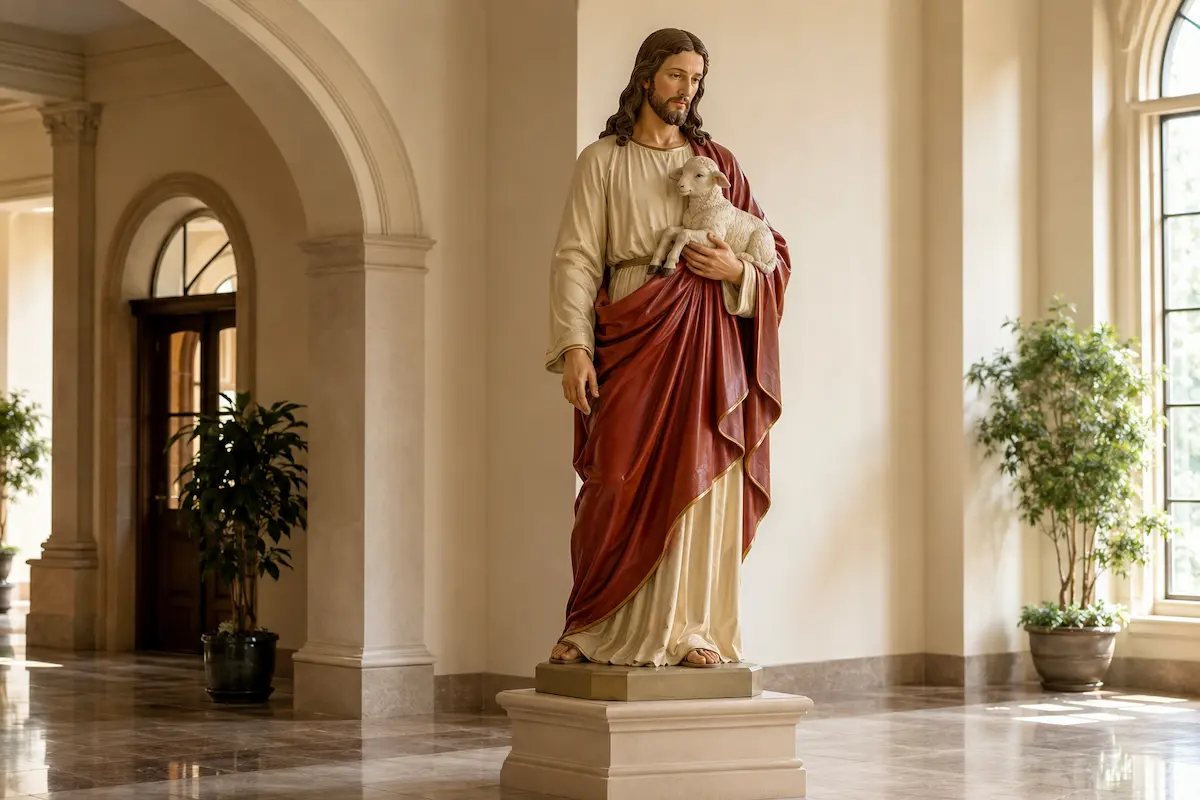
Lightweight options for larger indoor or display applications.
7. Finishes & Color Options
Finishes help define the statue’s devotional character, visibility, and long-term appearance.
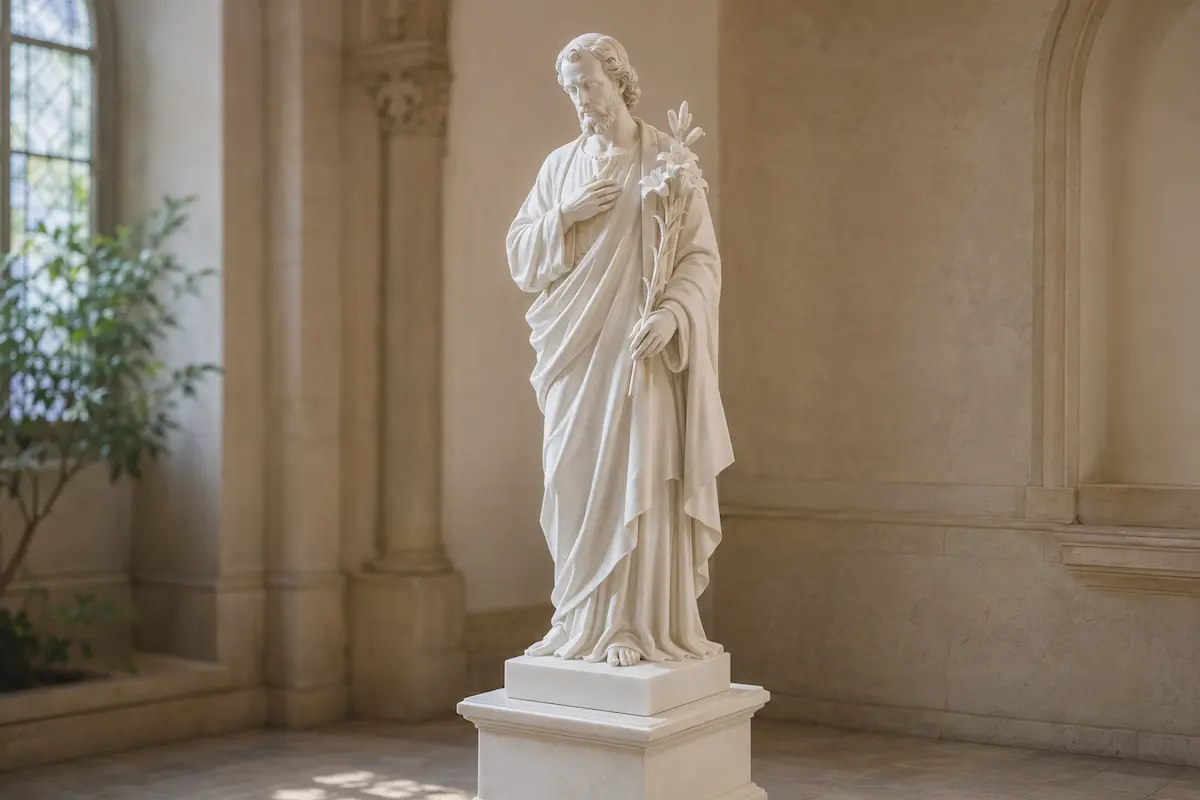 White Marble
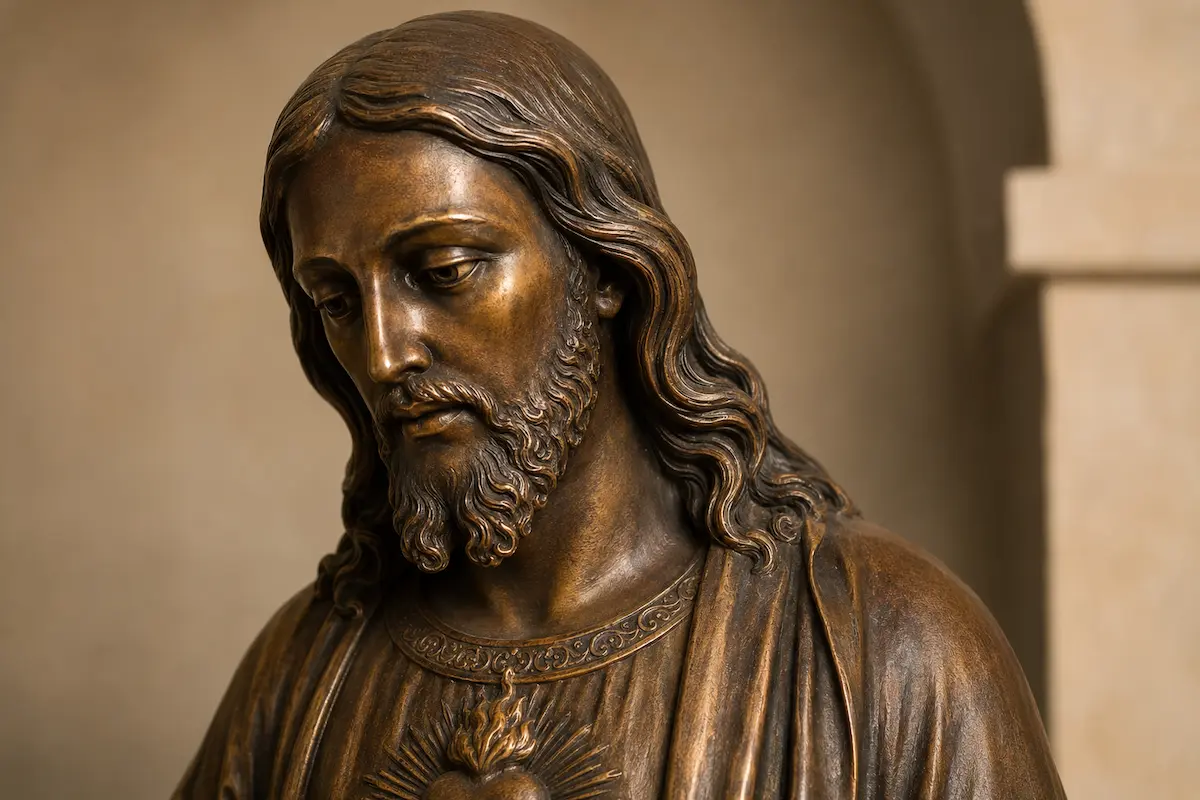
 Bronze Tone
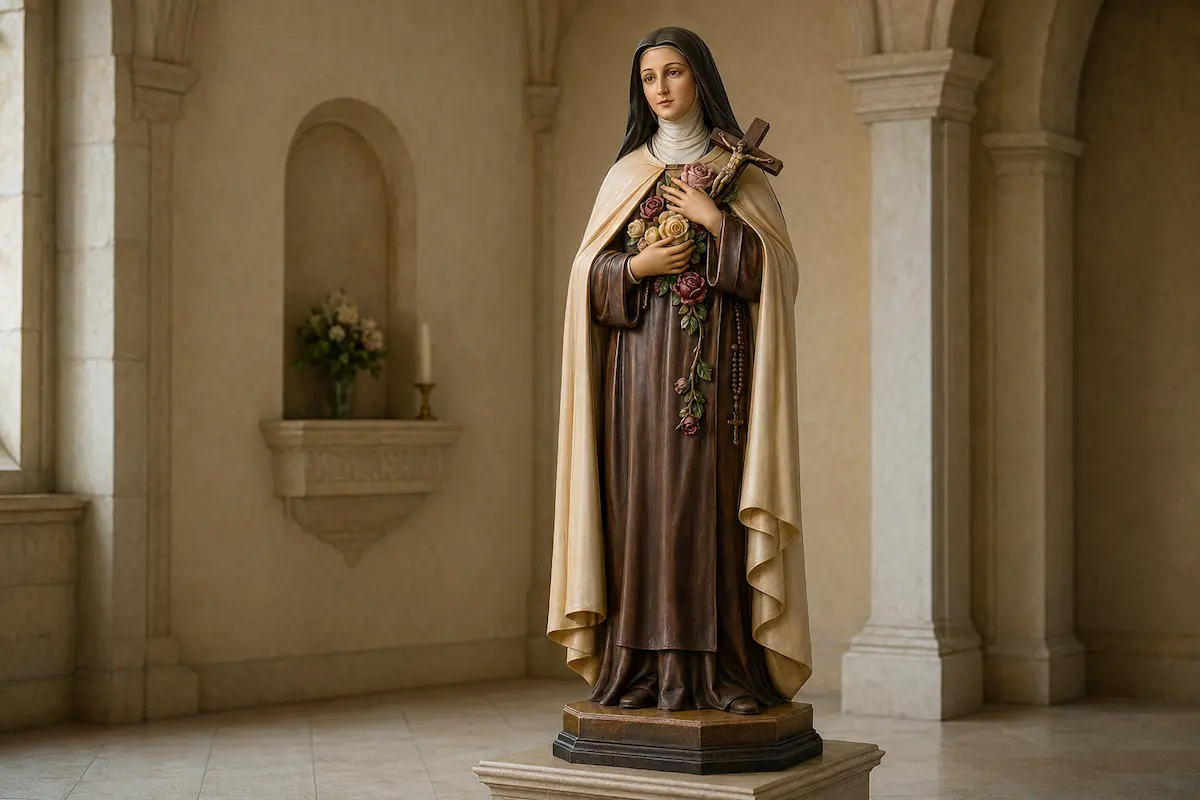 Hand Painted
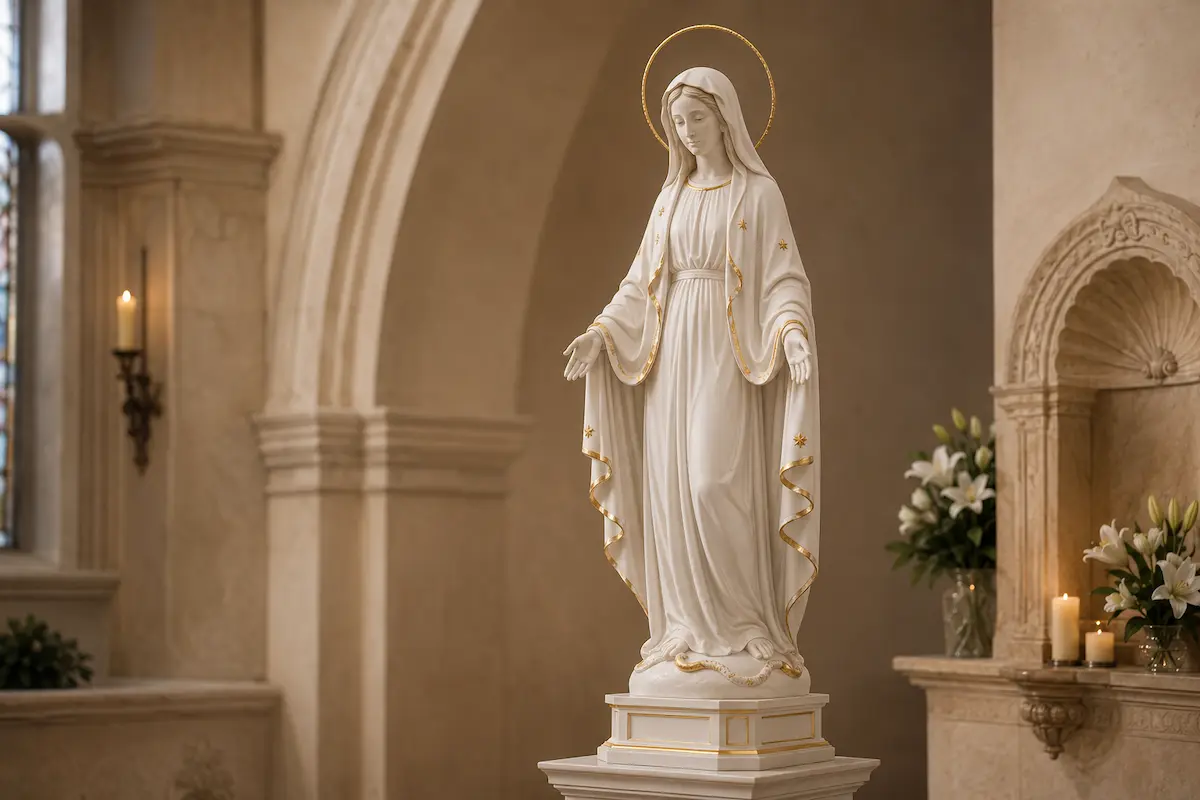 Gold Accents
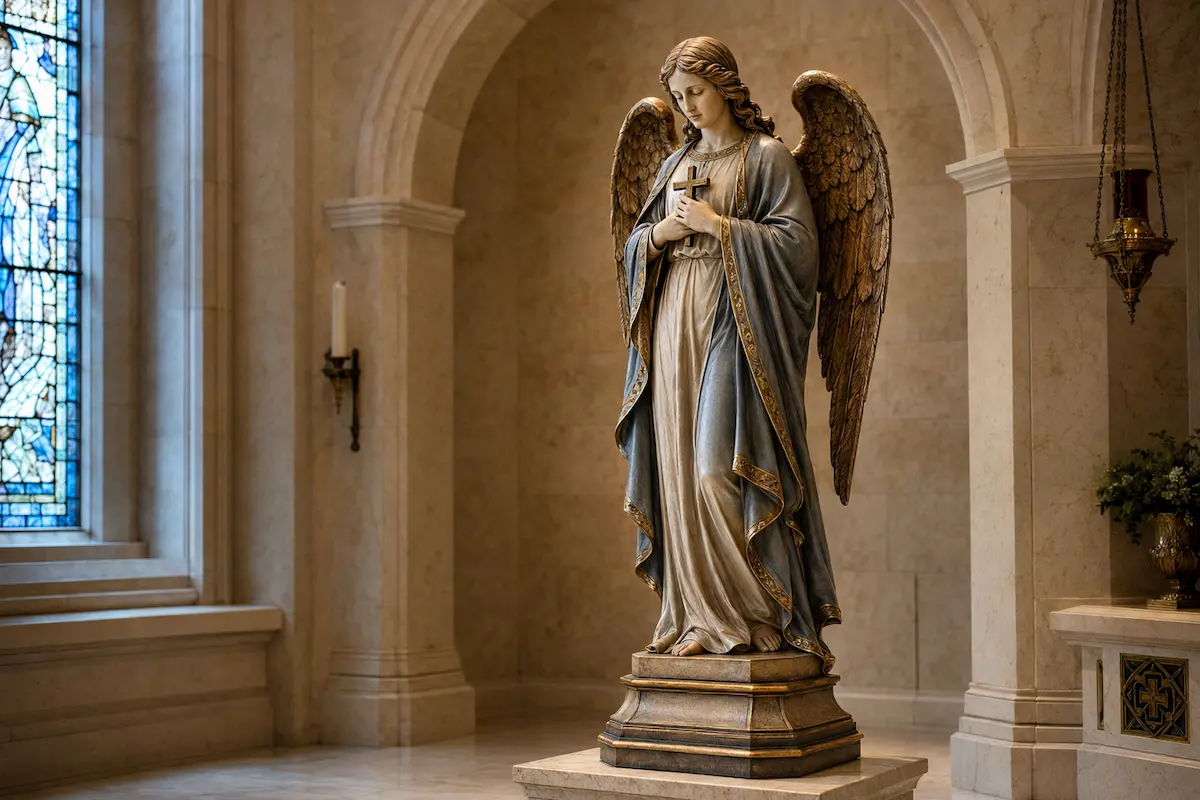 Custom Finish
8. Religious Statue Cost Factors
Several factors influence the cost of a custom religious statue.
- Size and scale
- Level of sculptural detail
- Material selection
- Hand finishing or painting
- Number of castings
- Shipping and installation
9. Real-World Religious Projects
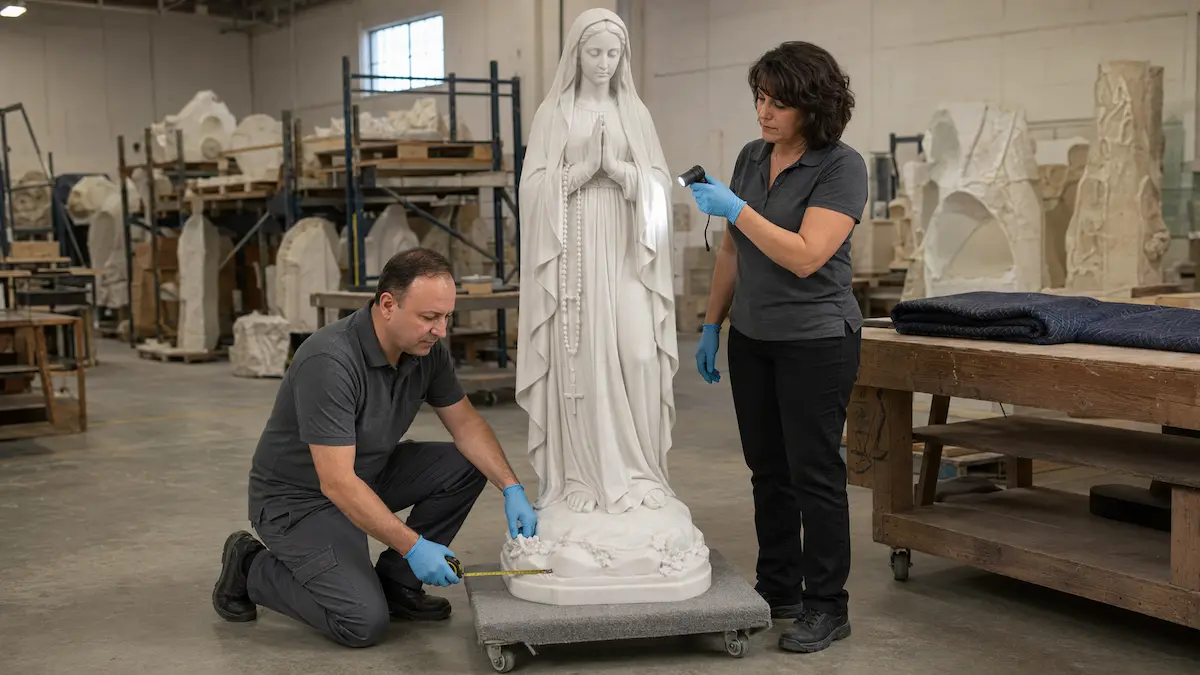 Our Lady
Statue
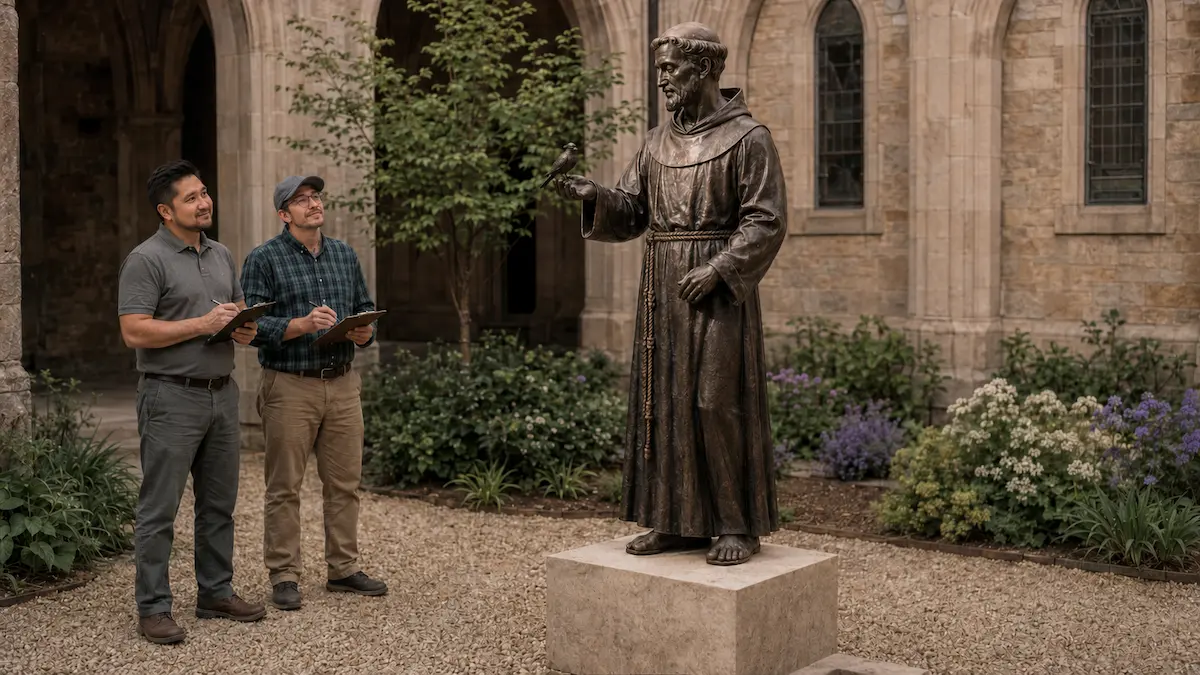 Saint
SaintSculpture
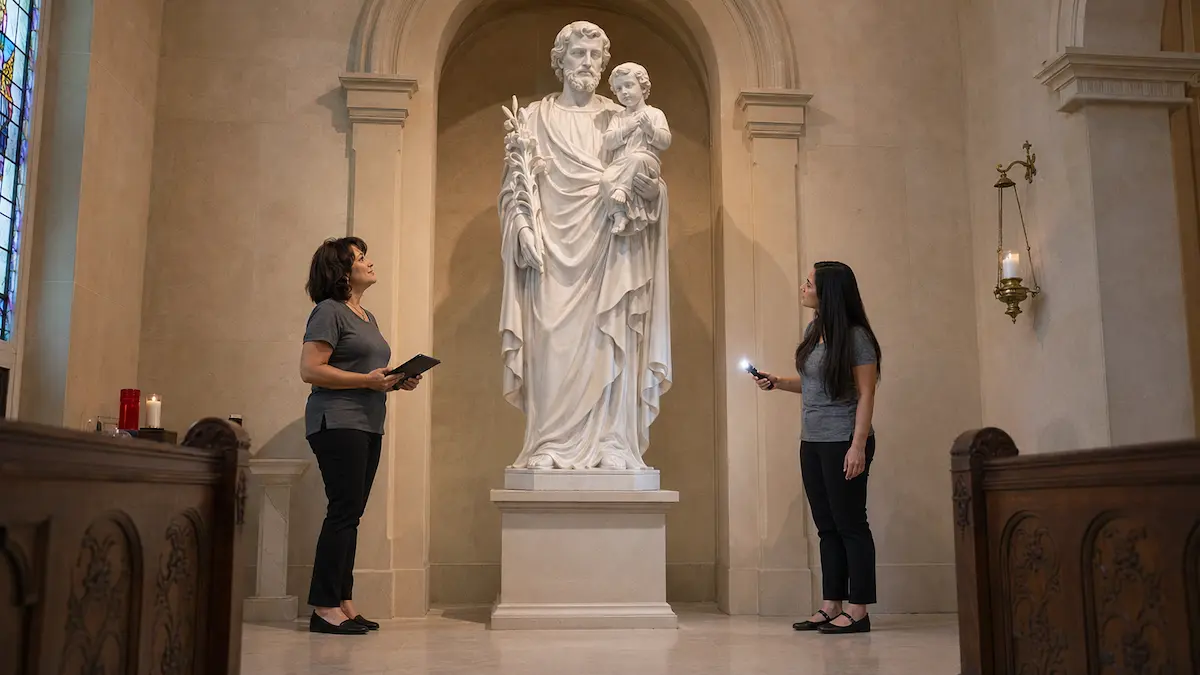 Church
Interior Statue
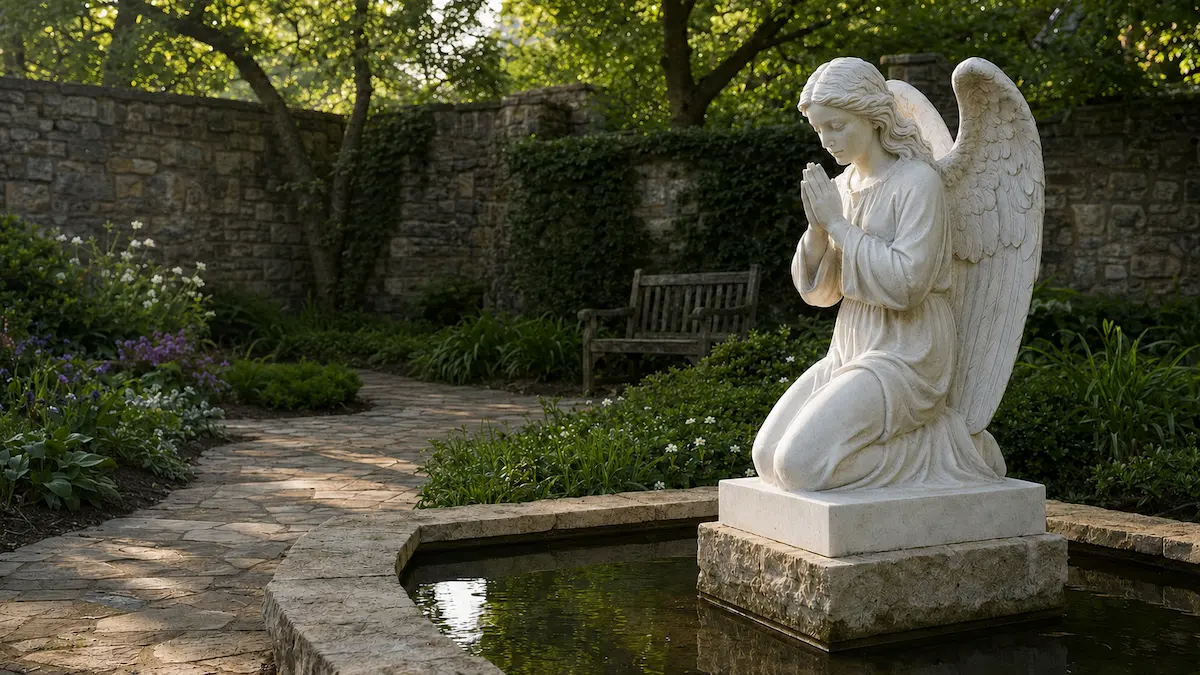 Prayer Garden
Figure
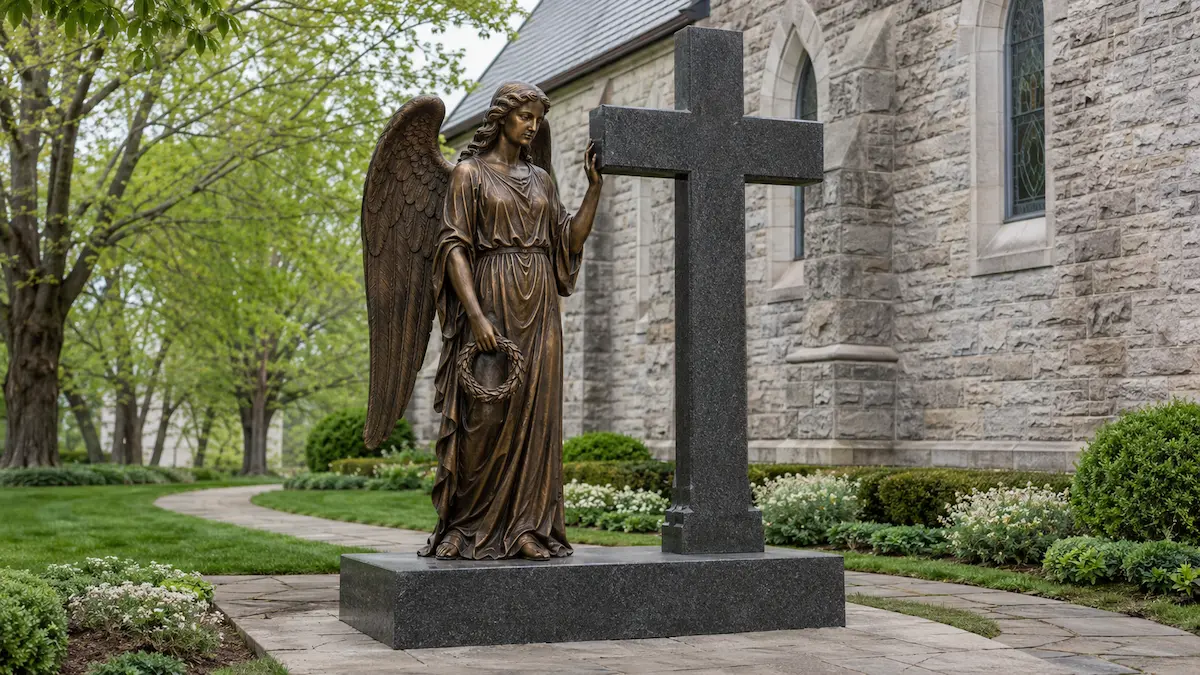 Religious
Memorial
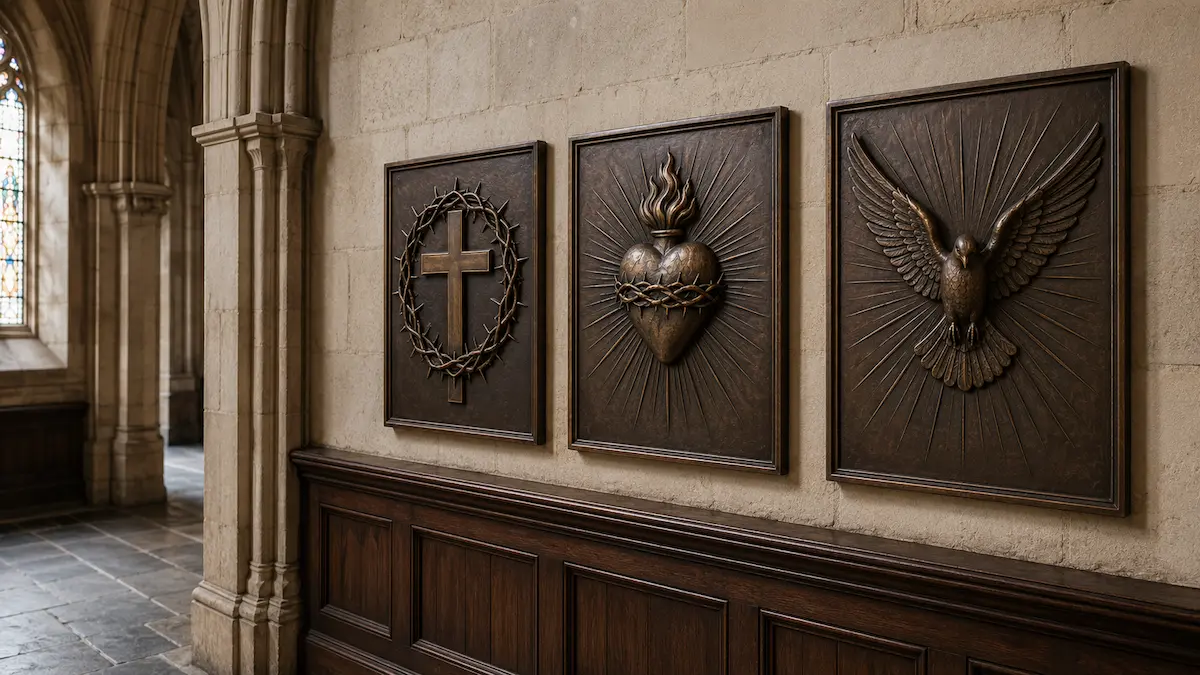 Religious
Plaques
10. Material Comparison
Each material offers different advantages depending on location, budget, and purpose.
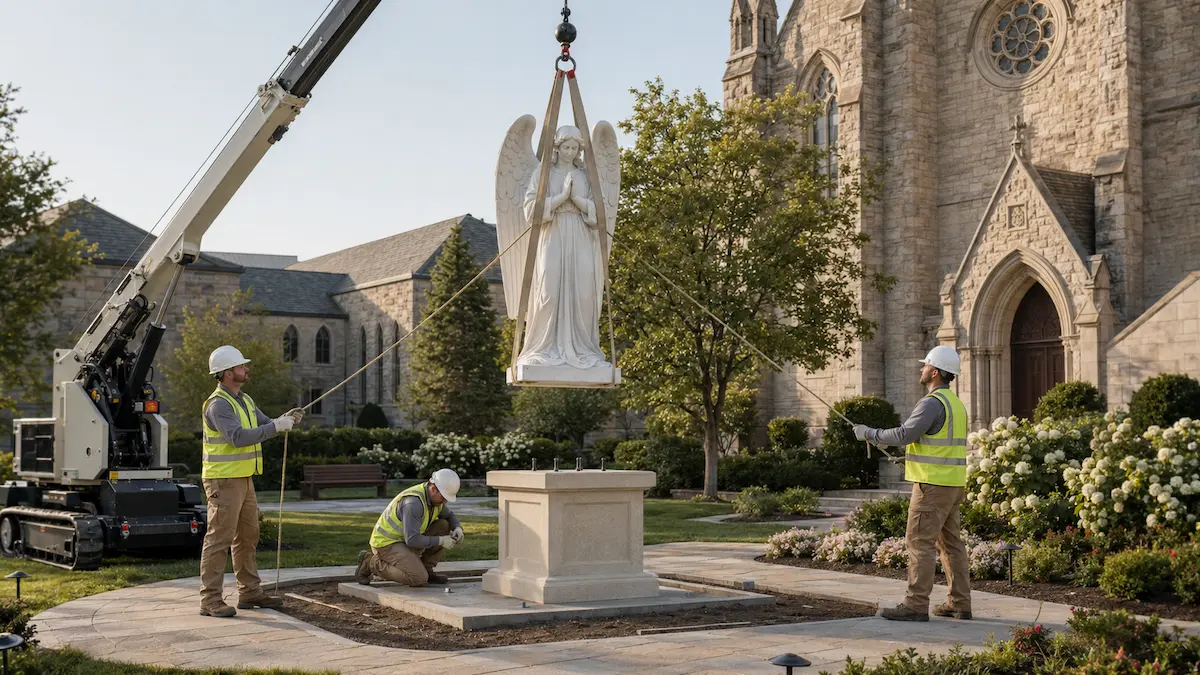
11. Placement & Installation
- Church sanctuary placement
- Prayer garden foundations
- Indoor pedestal requirements
- Outdoor anchoring and weather exposure
- Lighting and devotional visibility
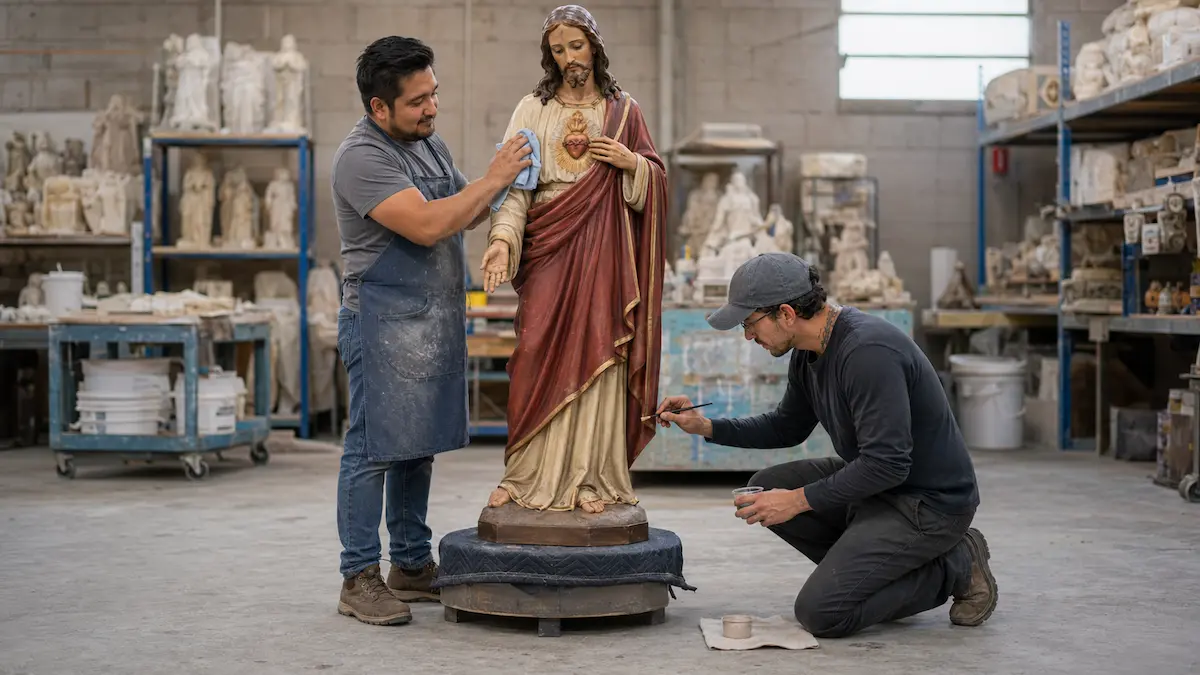
12. Care & Maintenance
- Routine cleaning
- Surface protection
- Outdoor weather care
- Paint and finish touch-ups
- Long-term preservation planning
13. Statues.com Insight
A Religious Statue Is More Than Decoration
The strongest religious sculptures serve a spiritual purpose. They invite reflection, preserve sacred tradition, and create a visible expression of faith for generations.
— The Statues.com Team
14. Common Mistakes to Avoid
- Choosing the wrong scale for the space
- Ignoring indoor vs outdoor material needs
- Using weak reference images
- Rushing design approval
- Underestimating shipping and installation
15. Frequently Asked Questions
Select a question to view practical guidance about designing, producing, installing, and maintaining religious statues.
Ready to Commission a Religious Statue?
Whether you are planning a church statue, Marian sculpture, saint figure, prayer garden artwork, or religious memorial, our team can help guide your project from concept through completion.
Bonded Marble vs. Bronze
Both materials capture fine sculptural detail, but they create different visual effects, costs, installation requirements, and long-term performance.
Bonded Marble
- Refined white or stone-like appearance.
- Excellent for sacred and classical sculpture.
- Well suited to churches, chapels, and protected gardens.
- Generally more accessible than cast bronze.
- Outdoor placement requires the correct finish and maintenance.
Bronze
- Exceptional long-term outdoor durability.
- Traditional material for permanent monuments.
- Offers rich custom patinas and metallic character.
- Requires stronger foundations and installation planning.
- Typically involves a higher initial investment.
Fiberglass vs. Resin
Fiberglass and resin are both versatile composite materials, but they are usually selected for different sizes, locations, and project goals.
Fiberglass
- Extremely lightweight for its size.
- Ideal for large or elevated religious figures.
- Easier and less expensive to transport and install.
- Can receive painted, stone, or bronze-tone finishes.
- Requires suitable coatings for extended outdoor exposure.
Resin
- Captures crisp detail in smaller sculpture.
- Well suited to devotional figures and interior artwork.
- Offers many hand-painted and decorative finishes.
- Generally economical for smaller-scale production.
- Exterior performance depends on formulation and protection.
Indoor vs. Outdoor Placement
The installation location should be determined before selecting the material, finish, anchoring system, and maintenance plan.
Indoor Placement
- Protected from rain, ultraviolet light, and freezing conditions.
- Allows a wider selection of materials and finishes.
- Supports delicate hand-painted and decorative surfaces.
- Usually requires less structural installation work.
- Ideal for sanctuaries, chapels, schools, and memorial halls.
Outdoor Placement
- Requires weather-appropriate materials and finishes.
- Must account for sunlight, moisture, wind, and temperature changes.
- May require engineered foundations and anchoring.
- Needs proper drainage and maintenance access.
- Best for courtyards, prayer gardens, entrances, and shrines.
What materials are best for religious statues?
There is no single best material for every religious statue. The correct choice depends on the statue’s location, size, desired appearance, budget, expected lifespan, and maintenance requirements. Bronze is generally the strongest choice for permanent outdoor monuments because of its durability, repairability, and traditional patina. Bonded marble provides a refined white-stone appearance that is especially effective in churches, chapels, memorial halls, and protected gardens. Fiberglass is lightweight and practical for large figures or installations where transportation and structural weight are important. Resin is commonly used for smaller devotional sculptures and detailed interior artwork. Material selection should follow the project’s purpose and environment rather than appearance alone.
Can a statue be made from photographs?
Yes. A custom religious statue can be developed from photographs, historical artwork, prayer cards, paintings, existing sculptures, or a combination of references. Clear photographs from several angles help the sculptor understand facial features, garments, posture, symbols, and proportions. When only one image exists, the unseen views must be carefully interpreted using related historical and religious references. The sculptor normally creates a clay or digital model and provides progress images for review before mold making or casting begins. Strong reference material and timely client feedback are essential, especially when the statue must reproduce a specific saint, donor, clergy member, or historic devotional image.
Can religious statues be installed outdoors?
Yes. Religious statues are frequently installed at church entrances, courtyards, prayer gardens, cemeteries, schools, shrines, and memorial sites. Outdoor success depends on choosing a suitable material and finish, designing a stable foundation, providing proper anchoring, and accounting for ultraviolet light, moisture, wind, drainage, freezing temperatures, and local climate conditions. Bronze is usually preferred for the most demanding permanent exterior settings. Properly specified fiberglass, bonded marble, and resin systems may also be used outdoors when their construction, coatings, and maintenance plans match the environment. Installation requirements should be determined before production so the statue, pedestal, anchors, foundation, and site access work together safely.
How long does production take?
Production time depends on the statue’s size, complexity, material, finish, approval process, and whether a new sculpture must be created. A smaller or existing design may require several weeks to a few months. A fully custom life-size religious statue often requires approximately four to twelve months, while a large or complex bronze project may require nine to eighteen months or longer. The schedule may include research, concept development, sculpting, client and clergy reviews, revisions, mold making, casting, finishing, crating, shipping, and installation planning. Delayed approvals and major design changes are among the most common causes of schedule extensions, so review responsibilities should be established at the beginning.
Can statues be hand painted?
Yes. Religious statues can be hand painted to reproduce traditional garments, skin tones, sacred symbols, gold accents, decorative borders, and other devotional details. Hand painting is commonly applied to resin, fiberglass, and bonded-marble sculpture, depending on the surface preparation and intended location. Interior finishes can support more delicate shading and decorative detail because they are protected from weather exposure. Exterior painted statues require compatible primers, durable pigments, ultraviolet-resistant coatings, and periodic inspection. The color plan should be approved before finishing begins, especially when a church or religious community follows established iconographic traditions or needs the new statue to coordinate with existing sanctuary artwork.
What size should a church statue be?
The right size depends on viewing distance, ceiling height, architectural scale, pedestal height, placement, and the role the statue will serve. A statue placed in a small side chapel may need a more intimate scale, while a sanctuary, entrance, courtyard, or prayer garden may require a life-size or larger figure for proper visibility. Before selecting dimensions, measure the available height, width, doorway access, pedestal, surrounding furnishings, and primary sightlines. Also consider whether visitors will view the statue from floor level, across a large nave, or from an outdoor approach. A scale drawing or digital placement visualization can reveal proportion problems before production begins.
Can multiple copies be made?
Yes. Once an approved sculpture has been molded or prepared for repeat production, multiple castings can usually be created in bonded marble, bronze, fiberglass, resin, or another suitable casting material. This is useful for religious orders, schools, parishes, cemeteries, retreat centers, and organizations that want the same figure installed at several locations. Producing several copies from one approved master can reduce the sculpting and mold-making cost assigned to each statue, although casting, finishing, crating, shipping, and installation remain separate expenses. Before production, the client and sculpture studio should confirm the number of copies, material, finish, edition terms, ownership rights, and whether future castings may be ordered.
How are statues shipped?
Religious statues are packed according to their material, size, weight, fragility, and destination. Smaller sculptures may travel by parcel or freight service using protective foam and reinforced cartons. Larger works are normally secured inside custom-built wooden crates and shipped by dedicated truck, less-than-truckload freight, air cargo, or ocean freight. Oversized statues may be manufactured in sections and assembled at the destination. Before shipping, the sculpture studio should provide the final dimensions, weight, crate size, unloading requirements, lifting points, and installation instructions. The receiving site must also confirm doorway clearance, delivery access, forklift or crane needs, local labor, and safe storage if installation will not occur immediately.
Do outdoor statues need maintenance?
Yes. Every outdoor religious statue should have a maintenance plan based on its material, finish, climate, landscaping, and level of exposure. Bronze generally benefits from gentle cleaning, periodic inspection, and renewed protective wax. Bonded marble and stone-like surfaces should be cleaned with non-abrasive methods and inspected for staining, cracks, joints, water intrusion, and coating failure. Fiberglass and painted resin surfaces require inspection for fading, chips, moisture damage, and deterioration of protective coatings. Drainage problems, loose anchors, vandalism, bird deposits, or surface damage should be addressed promptly. Aggressive pressure washing, bleach, abrasive pads, and untested household chemicals can permanently damage sculpture finishes.
Can a custom saint statue be created?
Yes. A custom saint statue can be created from historical artwork, photographs, written descriptions, existing devotional images, or a newly developed artistic concept. The design process may address the saint’s facial expression, posture, garments, hand gestures, attributes, symbols, base, scale, material, and finish. Research is especially important because specific objects—such as books, lilies, keys, staffs, animals, or instruments of martyrdom—help identify the saint and communicate the intended devotion. After the concept is approved, the artist develops the sculpture in clay or digital form for review. Mold making, casting, finishing, shipping, and installation follow only after the client or religious authority approves the final design.