
American History · Civil Rights · Public Memory
Mary McLeod Bethune: Educator, Civil Rights Leader & Memorial Legacy
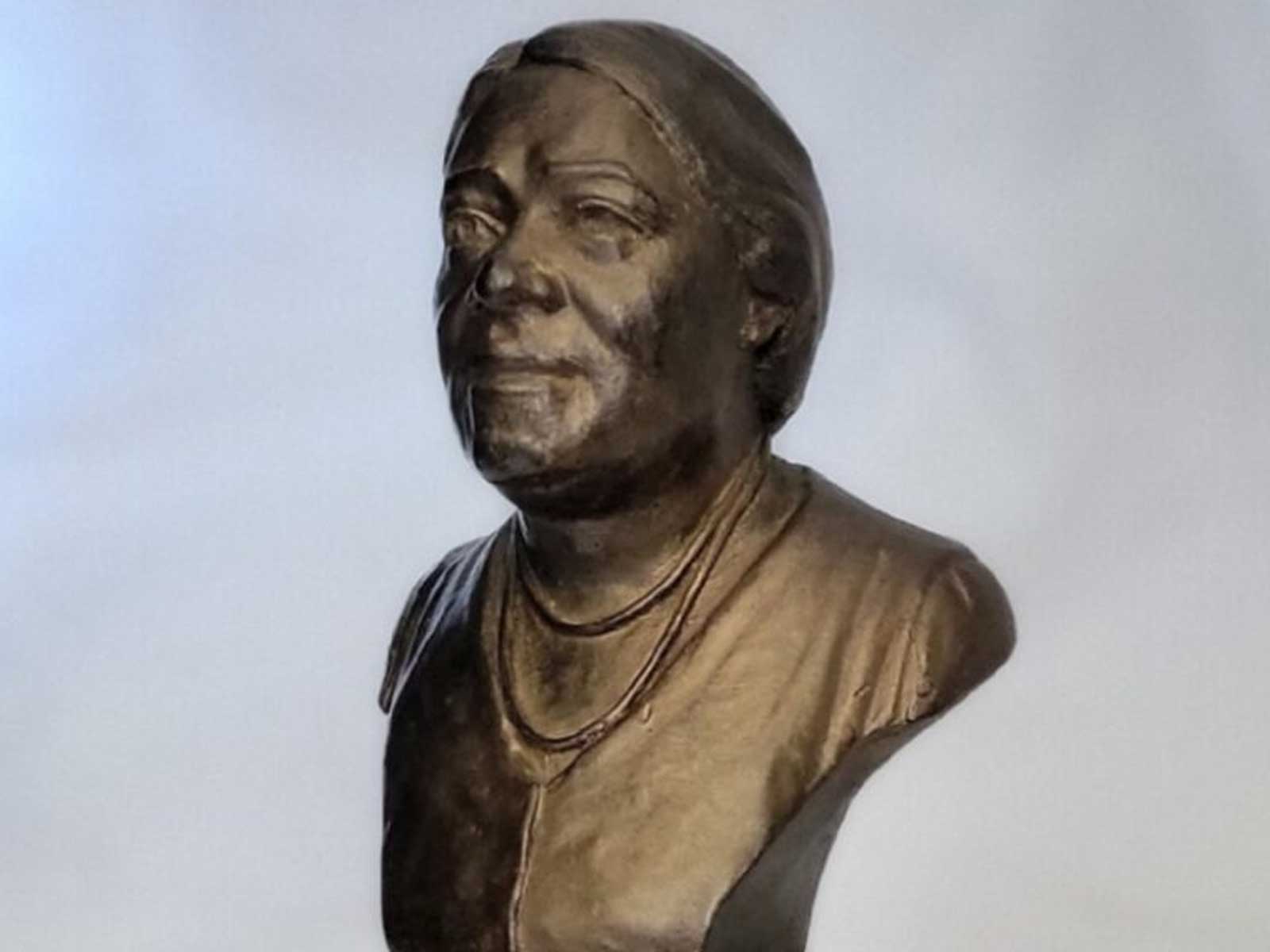
Mary McLeod Bethune transformed education, public service and organized advocacy into enduring institutions. Her legacy also demonstrates how sculpture can carry a historical figure’s ideas into public space turning biography into a place for learning, remembrance and civic reflection.
The Person Behind the Memorials
Who Was Mary McLeod Bethune?
Mary Jane McLeod Bethune was born near Mayesville, South Carolina, in 1875, one of 17 children in a family whose parents had been enslaved. Education gave Bethune a path beyond the constraints imposed on Black families in the post-Reconstruction South, and she made access to learning a central purpose of her life.
Her public identity cannot be reduced to a single role. Bethune was an educator, institution builder, civil rights organizer, advocate for women, presidential advisor and federal administrator. The institutions she built allowed her influence to extend beyond speeches or individual campaigns into durable systems of education and civic participation.
The National Park Service describes Bethune as one of the most celebrated African American figures of the New Deal era, with influence spanning education, civil rights and women’s equality.
Six Dimensions of Her Legacy
Why Mary McLeod Bethune Remains Historically Significant
Built Opportunity Through Learning
Bethune established a school in Daytona Beach in 1904 that developed through later institutional changes into what is now Bethune-Cookman University.
Created a National Coalition
She founded the National Council of Negro Women in 1935 to unite organizations around education, employment, health, housing, civil rights and related issues.
Opened Federal Channels
Her work in the National Youth Administration placed an African American woman in an unusually influential federal administrative role during the New Deal.
Connected Policy and Advocacy
Bethune worked across government and civil rights organizations to press for nondiscrimination, expanded opportunity and greater representation.
Expanded Public Voice
She made the concerns and leadership of African American women more visible within national civic and policy conversations.
Became a Subject of Civic Memorials
Later monuments translated Bethune’s biography and values into physical public spaces where subsequent generations could encounter her story.
Education as Institution Building
From a Daytona School to an Enduring Educational Institution
In October 1904, Bethune opened a school for African American girls in Daytona Beach, Florida. National Park Service history records that it began in a rented house with six students five girls and Bethune’s son. The school expanded, later merged with Cookman Institute in 1923 and eventually became Bethune-Cookman College.
This part of Bethune’s story matters because it shows how she understood education: not simply as personal advancement, but as infrastructure. Schools could train teachers, widen economic opportunity, strengthen communities and give Black students access to institutions that segregation otherwise denied them.
Bethune’s ability to organize supporters and resources was as important as her ability to teach. Her educational work became a platform from which she could pursue broader civic and political goals.
National Leadership
The National Council of Negro Women and the Power of Coalition
On December 5, 1935, Bethune and representatives of Black women’s organizations established the National Council of Negro Women (NCNW). The organization was conceived as a way to coordinate action across groups rather than allowing their influence to remain fragmented.
The NCNW addressed education, employment, health, housing, civil rights and international affairs. Bethune served as president from its founding until 1949. The organization also became central to how her public legacy would later be preserved: the NCNW established a national headquarters in Washington and, after Bethune’s death, became the driving force behind the Mary McLeod Bethune Memorial in Lincoln Park.
Federal Service
Bethune, the National Youth Administration and the “Black Cabinet”
Bethune’s federal service is more precise and more consequential than simply calling her a presidential advisor. In 1935 she was appointed to the National Advisory Committee of the National Youth Administration (NYA). In 1936 she was placed in charge of Negro affairs within the agency, and in 1939 she became director of its Division of Negro Affairs.
According to the National Park Service, that directorship represented the highest federal appointment held by an African American woman up to that time. From inside the NYA, Bethune pressed for nondiscriminatory employment policies, greater administrative representation and expanded education and work opportunities for Black youth.
She also organized the informal Federal Council on Negro Affairs widely known as the “Black Cabinet" bringing Black federal officials together to strengthen communication with the Roosevelt administration and advocate for African American interests within New Deal programs.
At a Glance
Mary McLeod Bethune Timeline
Born in South Carolina
Mary Jane McLeod was born near Mayesville, South Carolina, on July 10.
School Opens in Daytona
Bethune established the school that became the foundation of her educational legacy.
Institutional Merger
Her school merged with Cookman Institute, an important step toward the later Bethune-Cookman College.
NCNW Founded
Bethune helped establish the National Council of Negro Women and became its founding president.
Federal Leadership Expands
She led Negro affairs in the NYA and later became director of its Division of Negro Affairs.
A Life of Service Ends
Bethune died in Daytona Beach, Florida, on May 18, leaving institutions that continued her work.
Sculpture & Public Memory
Why Mary McLeod Bethune’s Legacy Became a Subject for Public Sculpture
Historical-figure sculpture does more than preserve facial likeness. A successful public monument connects a person to ideas, institutions, places and communities. Bethune’s life offers unusually strong material for this kind of interpretation because her legacy is both biographical and institutional: education, women’s leadership, federal service, civil rights organization and responsibility to future generations all provide meaningful visual and textual themes.
That is why a Bethune memorial can function simultaneously as portrait sculpture, civic history and an educational device. Site, pose, gesture, accompanying figures, inscriptions and surrounding landscape all affect how viewers understand the subject.
A Landmark in Washington
The 1974 Mary McLeod Bethune Memorial in Lincoln Park
The Mary McLeod Bethune Memorial in Washington’s Lincoln Park was erected by the National Council of Negro Women and dedicated on July 10, 1974, the 99th anniversary of Bethune’s birth. The National Park Service identifies Robert Berks as the sculptor.
The bronze composition depicts Bethune with two children and connects her public image to youth and education. NPS records describe it as the first memorial honoring an African American built on public land in Washington, D.C., and the first portrait statue of an American woman on a public site in the city.
Its importance lies not only in whom it honors, but also in where and how it does so. A memorial installed in an everyday civic landscape makes historical interpretation part of public life rather than confining it to a museum or textbook.
Interpreting Historical Figures
What a Responsible Historical-Figure Monument Must Get Right
When communities commission a monument to an educator, civil rights leader or institutional founder, portrait accuracy is only one requirement. The sculpture also has to communicate why the person matters.
That begins with research: authenticated photographs, biographical records, institutional archives, clothing and period references, and documented connections between the subject and the proposed site. Design decisions should then translate that evidence into pose, expression, scale, objects, inscriptions and visitor experience.
Public projects add another layer of responsibility. Sponsors should establish a historical review process, clear approval authority, accessibility and site requirements, engineering, installation planning and long-term maintenance before fabrication begins. Our Public Monument Planning Guide explains those project decisions in detail.
Continue Exploring
From Historical Research to a Responsible Public Monument
Frequently Asked Questions
Mary McLeod Bethune FAQ
Who was Mary McLeod Bethune?
Mary McLeod Bethune (1875–1955) was an American educator, civil rights activist, advocate for women, presidential advisor and public servant. She founded a school in Daytona Beach that developed into Bethune-Cookman College and founded the National Council of Negro Women in 1935.
What was Mary McLeod Bethune’s role in the federal government?
Bethune joined the National Advisory Committee of the National Youth Administration in 1935, took charge of Negro affairs in 1936 and became director of the Division of Negro Affairs in 1939. The National Park Service describes that directorship as the highest federal appointment held by an African American woman up to that time.
What organization did Mary McLeod Bethune found in 1935?
She founded the National Council of Negro Women (NCNW) in 1935. The organization coordinated the work of Black women’s groups around civil rights, education, employment, health, housing and other national concerns.
Where is the Mary McLeod Bethune Memorial?
The Mary McLeod Bethune Memorial is in Lincoln Park in Washington, D.C. It was erected by the National Council of Negro Women and dedicated on July 10, 1974.
Who sculpted the Mary McLeod Bethune Memorial in Washington, D.C.?
The National Park Service identifies Robert Berks as the sculptor of the Mary McLeod Bethune Memorial in Lincoln Park.
Why is the Lincoln Park Bethune memorial historically significant?
According to the National Park Service, it was the first memorial to honor an African American built on public land in Washington, D.C., and the first portrait statue of an American woman on a public site in the city.
Did Statues.com create the 1974 Mary McLeod Bethune Memorial?
No. The 1974 Lincoln Park memorial is the work of sculptor Robert Berks and is discussed here as historical context. Statues.com does not claim authorship of that monument.
Planning a Historical-Figure Monument?
Turn Research, Likeness and Legacy Into a Thoughtful Public Sculpture
Statues.com works with institutions, organizations and communities on custom portrait sculpture and public monuments. Begin with the subject, site, historical evidence and project goals.
Discuss Your Project