
The Role of Memorial Statues in Preserving History and Public Memory
Memorial sculpture gives people, events and shared stories a physical presence but the strongest monuments preserve context as well as likeness.
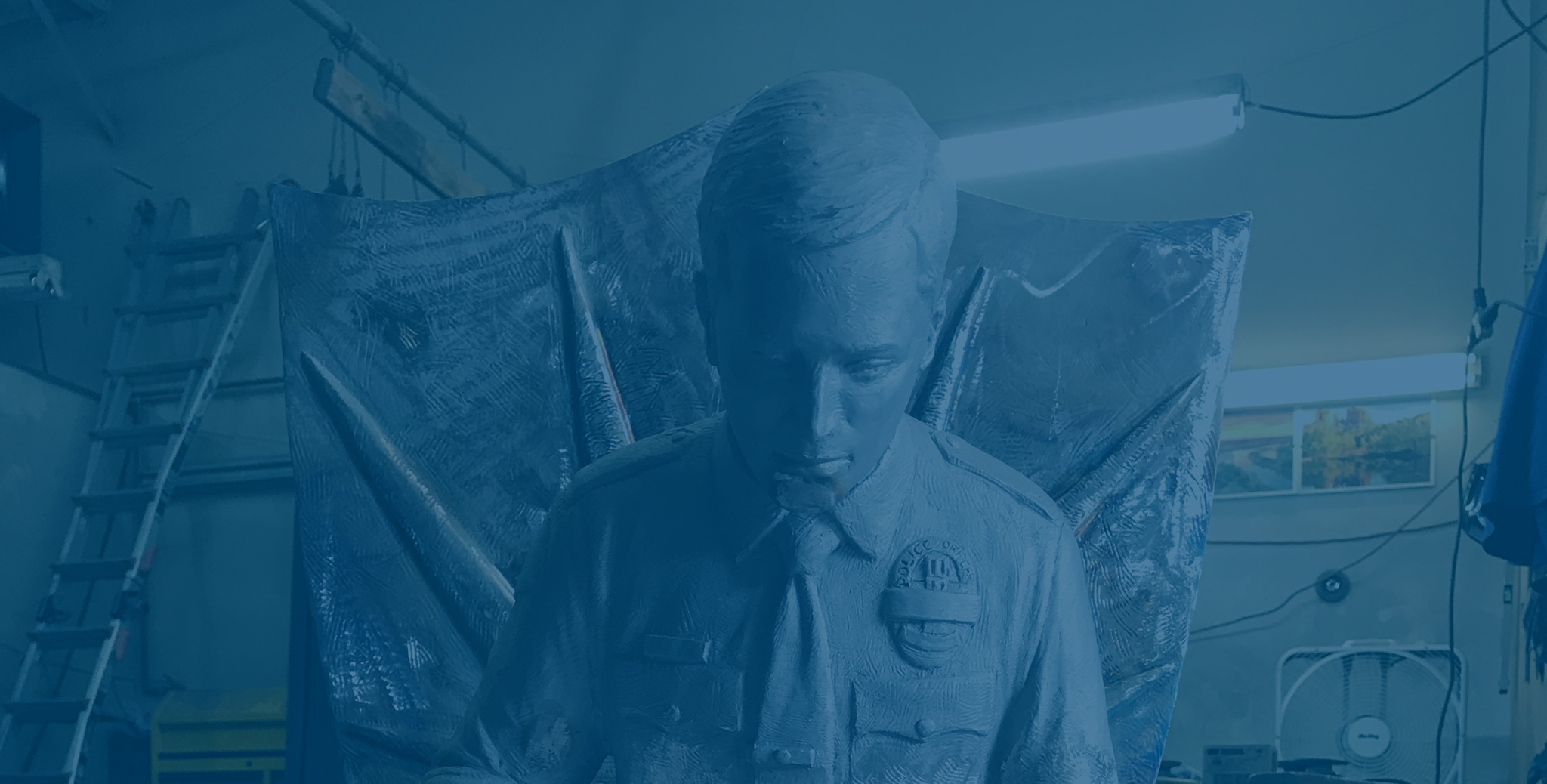
Memorial statues help preserve public memory by giving historical people, events and ideas a durable physical presence. They do not preserve history by themselves: inscriptions, location, archival research and interpretation are what connect the sculptural object to a fuller historical record.
Why Memorial Statues Matter
A memorial can do something a book, photograph or digital archive cannot: occupy the same physical space as its audience. People approach it from different directions, gather around it, photograph it and encounter it repeatedly over time. That presence can make a historical subject part of everyday civic life.
Portrait statues often emphasize an individual's likeness and character. Multi-figure monuments can preserve relationships or shared experiences. Reliefs, plaques and symbolic elements can add names, dates and context. The most effective memorials combine these layers rather than asking a single figure to tell an entire story.
Four Roles of Commemorative Sculpture
Remember
Create a defined place where individuals and communities can recognize a person, group or event.
Recognize
Give public visibility to achievements, service and experiences a community chooses to commemorate.
Teach
Use inscriptions, plaques and interpretation to connect a sculptural image with names, dates and historical context.
Gather
Support dedications, anniversaries, school visits and other moments when people engage with shared history together.
A Statue Is an Interpretation, Not the Entire Historical Record
Every monument makes choices: which person is shown, what age they appear, what clothing they wear, which gesture is emphasized and what words accompany the sculpture. Those decisions shape how later viewers understand the subject.
That is why research matters. Portrait references, biographies, archival photographs, clothing evidence and site history can help the sculptor develop a credible representation. For complex or contested histories, interpretive signage can explain perspectives that cannot be communicated through pose and likeness alone.
Memorials can also become subjects of later debate. Rather than weakening their historical importance, those debates demonstrate that public memory changes. Documentation of the commission, artist, donor, historical sources and original intent helps future audiences understand why the work was created.
Preservation Depends on What Happens After Installation
A memorial only serves future generations if its material and installation suit the environment. Outdoor bronze, stone and other materials have different structural and maintenance requirements. Drainage, foundations, attachments, public access, weather exposure and long-term conservation should be considered before fabrication.
Placement matters just as much. A statue near a school, civic building, cemetery, museum or public plaza will be experienced differently depending on pedestrian routes, viewing distance, lighting and surrounding architecture. For large civic projects, see the Statues.com Public Monument Planning Guide.
Explore Related Portrait Sculptures
For collectors, educators and history focused displays, these smaller portrait works provide another way to engage with historical figures. Product photos and links below go directly to the current Statues.com shop listings.
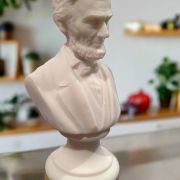
Abraham Lincoln Mini-Bust
A 6-inch portrait bust offered in white bonded marble with a hand-applied bronze-tone option.
View in Shop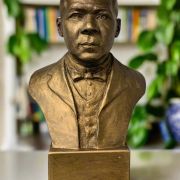
Booker T. Washington Bust
A 7-inch portrait sculpture honoring the educator and author, available in white bonded marble or bronze-tone finish.
View in Shop
Aviator Bessie Coleman Bust
A 7-inch Statues.com portrait sculpture commemorating pioneering aviator Bessie Coleman.
View in ShopStart With the Story Before Choosing the Statue
Before discussing scale or material, define what the memorial needs to preserve. Is the priority portrait likeness, a specific event, military or civic service, a list of names, a family story or a broader community experience? That answer should guide the composition.
Then assemble reliable reference material and identify the intended location, approximate scale, material preferences, viewing distance, approval process and installation conditions. This prevents the design from becoming disconnected from the history it is meant to communicate.
Memorial Statues: Frequently Asked Questions
How do memorial statues help preserve history?
They give historical subjects a durable physical presence and a place for public remembrance. Their educational value is strongest when sculpture is paired with accurate inscriptions, research and interpretation.
What information should be researched before creating a memorial statue?
Useful sources include verified photographs, biographies, archival documents, clothing references, dates, site history and information from families, institutions or historians connected to the subject.
What materials are commonly used for memorial sculpture?
Bronze and natural stone are common for permanent outdoor memorials, while other materials may be appropriate depending on scale, budget, environment and intended lifespan.
Where should a memorial statue be placed?
The site should support the memorial's purpose and audience. Consider historical relevance, visibility, pedestrian access, viewing distance, foundations, lighting, accessibility and long-term maintenance.
Have a Story That Should Be Preserved in Sculpture?
Begin with the subject, reference material, intended location and the history the finished memorial should communicate.
Submit Your Story