
Culture · Memory · Public Art
Why Sculptures and Statues Still Matter in Culture Today
Sculpture gives people, stories and ideas physical presence. Its cultural importance comes not only from what it preserves, but from how communities interpret, question and live with it over time.
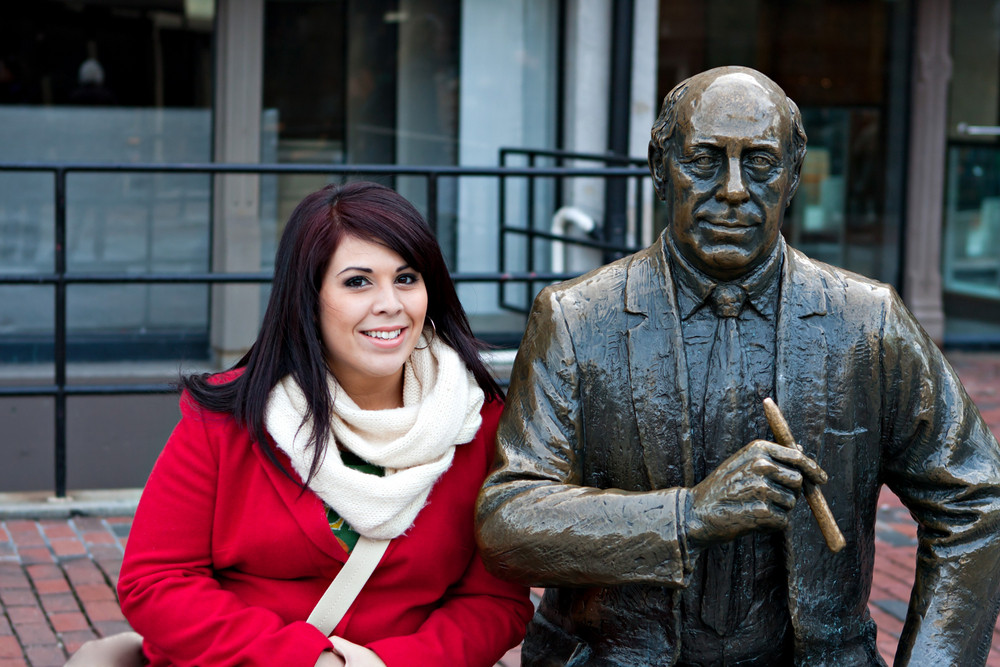
Sculptures remain culturally important because they make memory, identity, belief and public values visible in shared physical space. Unlike an image viewed once on a screen, a sculpture can be encountered repeatedly—from different angles, in changing light and across generations.
01 · Physical Presence
Sculpture Gives Ideas Physical Form
A sculpture is not simply a three-dimensional illustration. Scale, material, position and the space around the work all influence how a viewer understands it.
A portrait statue can make a historical figure feel present. A memorial can establish a place for reflection. A religious figure can support devotion. An abstract work can change how people experience a plaza, campus or interior without representing a person at all.
This physical presence helps explain why sculpture persists even as culture becomes more digital. A sculpture has a location: people approach it, pass it repeatedly, photograph it and gather around it. The work becomes part of lived space.
02 · Cultural Function
Six Cultural Roles Sculpture Can Serve
Different sculptures serve different purposes. These roles often overlap, but separating them makes it easier to understand why communities continue to commission and preserve three-dimensional art.
Commemorate
Memorials and portraits can preserve the names, likenesses and stories of people or events that a community chooses to remember.
Create Identity
A sculpture can become associated with a campus, neighborhood, institution or civic space and help give that location a recognizable character.
Express Values
Religious, symbolic and commemorative sculpture can make spiritual, ethical or civic ideas visible through figures, gestures and symbols.
Interpret History
Artwork paired with accurate inscriptions or interpretive material can introduce visitors to people, events and ideas they may not otherwise encounter.
Reward Repeated Viewing
Three-dimensional work changes as the viewer moves. Surface, silhouette and shadow reveal different information from different positions.
Prompt Questions
Public sculpture can invite discussion about representation, shared values and which histories are made visible in communal space.
03 · Memory & Interpretation
Statues Preserve Memory But They Are Not Neutral History
The older version of this article described statues as historical records. That is partly true, but incomplete. A sculpture can preserve clothing, symbols, artistic style and the subject a community chose to honor. It can also reveal the priorities of its commissioners.
But a monument is an interpretation, not a complete historical account. Decisions about subject, pose, inscription, scale and location emphasize some parts of a story while leaving others outside the frame. That is why strong commemorative projects begin with research and pair sculpture with accurate context when the history is complex.
This distinction matters in public space, where communities may revisit older monuments as scholarship and public understanding evolve.
04 · Place & Experience
Why Public Sculpture Feels Different From Museum Sculpture
In a museum, visitors usually choose to enter an art environment. Public sculpture works differently because it enters everyday life. The Ohio State University notes that gallery viewers may spend only a short time with an individual artwork, while public art in a frequently traveled location can be encountered again and again in different weather, seasons and conditions.
Focused encounter
The institution provides curatorial context, controlled lighting and an environment where viewing art is the visitor’s primary purpose.
Repeated encounter
The work shares space with architecture, landscape, traffic and civic life. People may encounter it intentionally or simply as part of their daily route.
Repeated exposure can turn sculpture into a landmark while making interpretation, accessibility, maintenance and site planning especially important.
05 · Meaningful Commemoration
What Makes a Culturally Meaningful Sculpture Work?
A large statue is not automatically an important one. Cultural value grows from the relationship between subject, artistic execution, location and audience. Commemorative projects also require credible research, interpretation, accessibility and long-term stewardship.
If the purpose is remembrance, continue with Why Memorial Sculptures Matter in Public Spaces. For a project that will live in a civic, university or institutional setting, the Public Monument Planning Guide covers the practical path from purpose and site selection through approvals and installation.
06 · Relevance Today
Sculpture Still Matters Because People Still Need Places for Memory
Technology changes how culture is documented and shared, but it does not eliminate the value of physical places. People still gather for dedications, visit memorials, leave flowers, photograph landmarks and use sculpture to represent institutions, beliefs and communities.
The strongest reason sculpture remains relevant is therefore not that it is “timeless.” It is that it continues to be interpreted. Every generation encounters inherited monuments differently and creates new works to express what it believes should be remembered now.
For readers considering a new piece, Commissioning a Custom Statue explains how a concept moves through research, design, approvals and fabrication. The broader Statues.com Knowledge Center connects that process to materials, preservation and public-art planning.
08 · Common Questions